
Planting
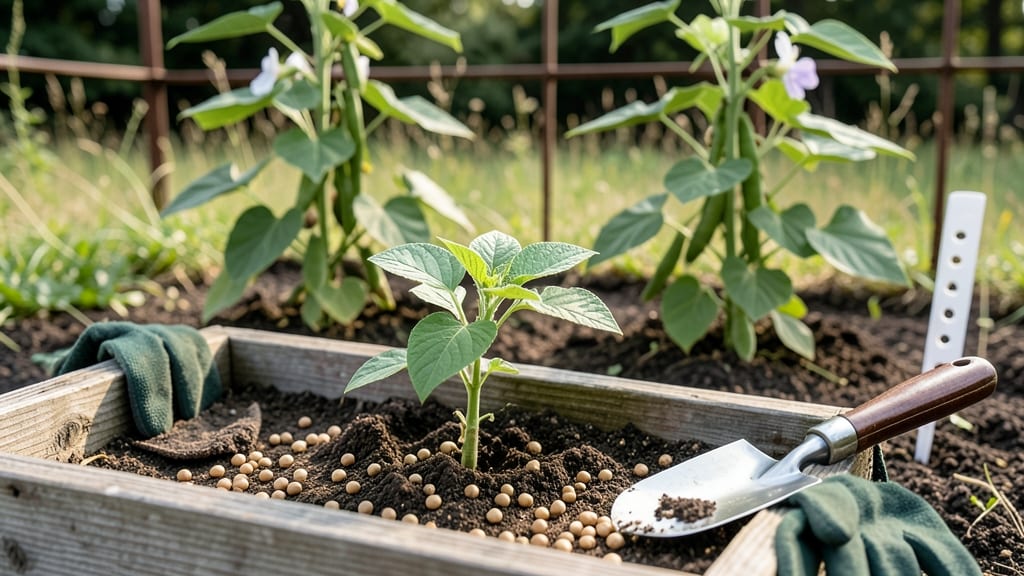
Planting soybeans in Mississippi between mid-April and mid-May aligns with soil temperatures of 60-65°F—the sweet spot for strong germination and avoiding frost damage.
Mississippi’s unpredictable spring weather can turn a great planting window into a gamble if you’re not prepared. One week of unseasonably cold nights, and your seedlings could end up stunted—or worse, wiped out by a late frost.
We’ve seen backyard gardens and large-scale farms alike lose entire crops because of timing mistakes, and the key to avoiding that heartbreak is knowing your exact frost-free date.
For most of Mississippi—especially in USDA Zone 8a—this means waiting until after March 15 to plant, but the Delta and Coastal regions have slightly different rules.
Early varieties can go in as soon as soil warms, while late-maturing types need the full 210 frost-free days to reach harvest by October. The difference between a 50-bushel yield and a 20-bushel disappointment often comes down to these details.
In this guide, I’ll break down the exact soil temperature thresholds, regional adjustments for North vs. South Mississippi, and a 3-step checklist to confirm your local conditions before dropping those seeds.
By the end, you’ll know not just when to plant, but why—and how to protect your crop from Mississippi’s most common planting pitfalls.
Mississippi soybean planting timeline by soil temperature & frost dates
Mississippi’s three USDA hardiness zones (7a-8b) create distinct planting windows for soybeans. The Delta region (Zone 8a) enjoys the longest growing season, while the Northern Hills (Zone 7a) face earlier frost risks. Timing your planting to soil temperatures of 60-65°F ensures strong germination and avoids frost damage.
Soybeans are heat-loving crops that thrive in Mississippi’s warm springs. Planting too early risks frost damage to young seedlings, while waiting too long may reduce yield potential. The optimal planting window spans from mid-April to mid-May, but regional variations matter.
Here’s a science-backed planting timeline tailored to Mississippi’s microclimates, including soil temperature thresholds and frost-free dates for each zone:
For the Northern Hills (Zone 7a), aim to plant by May 10 to ensure soybeans mature before the first frost around November 15. These areas benefit from early-maturing varieties like ‘Hutcheson’ or ‘Bragg,’ which reach maturity in 85-95 days.
In Central Mississippi (Zones 7b-8a), the window is wider—plant from April 15 to May 15—allowing for both early and late varieties. The Delta region (Zones 8a-8b) can start as early as April 1, giving you flexibility to choose longer-season varieties like ‘AGS 5327’ for higher yields.
Coastal Mississippi’s Zone 8b enjoys the earliest planting window, starting March 20, but watch for humidity-related fungal risks. Use disease-resistant varieties and ensure proper spacing (30 inches between rows) for airflow.
To verify your local frost dates, check the Mississippi State University Extension or use a soil thermometer to confirm 60-65°F before planting. Adjust dates by 1-2 weeks if your microclimate runs cooler or warmer than average.
Pro tip: Plant a test row 2 weeks early in your region to gauge germination success and adjust your full planting schedule accordingly. This simple step can save your entire crop from frost damage.
How to adjust soybean planting dates for Mississippi’s microclimates
Mississippi’s diverse geography means your soybean planting dates should vary based on whether you’re in the drought-prone Northeast or the flood-prone Delta. Each microclimate has unique challenges—like early spring frosts in the Hills or heavy summer rains in the Delta—that require precise adjustments to your planting schedule.
I’ll show you how to fine-tune your timing for maximum success.
For early-maturing varieties (like Bragg or Hutcheson), aim for April 1-15 in the Coastal Plain and Delta, where warmer soils arrive earlier. In contrast, late-maturing varieties (such as DP559RR) should wait until May 1-15 in the Northeast to avoid frost risks.
These adjustments can mean the difference between a thriving crop and a failed harvest.
Use the USDA Plant Hardiness Zone Map (Zones 7a-8b) and cross-check with Mississippi State University Extension maps for frost-free dates. Northeast MS (e.g., Tupelo) typically has a later frost-free date (around April 10) than the Delta (around March 25).
Wait until soil reaches 60-65°F at 2-inch depth. In drought-prone areas (e.g., Northeast MS), use a soil thermometer to confirm—soil warms slower in sandy soils. In the Delta, where moisture lingers, soil may reach ideal temps 1-2 weeks earlier.
For flood-prone Delta regions, select early-maturing, drought-tolerant varieties like AGS 5302. In Northeast MS, opt for late-maturing varieties (e.g., DP5691) to extend the growing season. Always check Mississippi Variety Trials for local performance data.
If you’re in a flood-risk zone like the Yazoo Basin, consider planting early varieties in raised beds to avoid waterlogged soil. These beds improve drainage and give roots room to escape standing water.
Meanwhile, gardeners in drought-prone areas (e.g., Tishomingo County) should prioritize mulching to retain moisture and plant on south-facing slopes where soil warms faster.
Don’t forget to monitor weekly rainfall forecasts—the National Weather Service provides localized alerts. If heavy rains are predicted within 48 hours of planting, delay until conditions improve.
Soybeans need consistent moisture but can’t tolerate waterlogged soil for more than 24 hours. Adjust your schedule based on these forecasts to avoid stressing young seedlings.
For a foolproof approach, plant a test row 1-2 weeks before your target date. This lets you gauge soil conditions and seedling vigor without risking your entire crop. If the test row thrives, proceed with full planting.
If not, wait another week and reassess. This simple step can save you from costly mistakes, especially in variable microclimates like Mississippi’s.
Finally, keep a garden journal to track planting dates, soil temps, and weather patterns. Over time, you’ll spot trends—like earlier frost dates in certain years or warmer springs that shift your ideal window.
Share your notes with local extension agents to help refine regional guidelines. Every adjustment you make brings you closer to higher yields and healthier plants. 🌱