
Planting
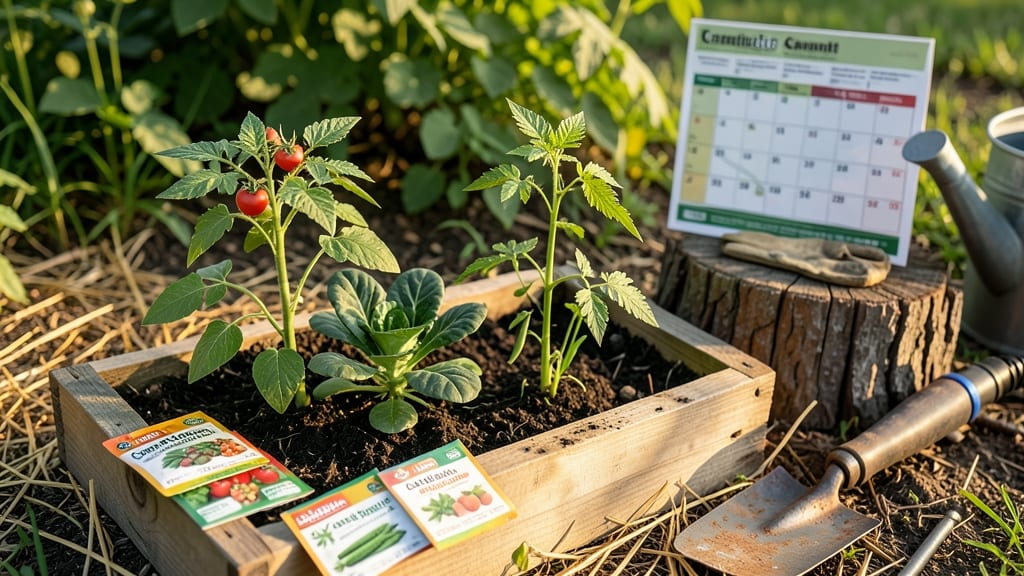
Planting a garden in Alabama at the right time means the difference between a bountiful harvest and a lost season—because the state’s 210-240 frost-free days are packed with both heat and humidity that can make or break your plants.
Alabama’s diverse climate—from the cool Appalachian foothills to the humid Gulf Coast—means your garden’s success hinges on planting at the perfect time. Miss the frost-free window, and your seedlings could freeze; plant too early, and pests or heat will sabotage your harvest.
For most of the state, the late February to early April window is ideal for cool-season crops like lettuce and peas, while warm-season favorites such as tomatoes and peppers thrive when planted after the March 15 average last frost date.
In this guide, I’ll break down the exact planting timeline by county, microclimate adjustments for urban vs. rural areas, and the 5 biggest mistakes Alabama gardeners make—so you can start your 🌱 General Alabama Garden with confidence and avoid costly errors.
Alabama’s frost-free dates by county: the exact window to plant cool vs warm season crops
Alabama’s frost dates vary dramatically from the cool mountain counties to the humid Gulf Coast. In North Alabama, like Jackson County, you might see frost as late as April 15, while South Alabama, like Mobile County, could be frost-free by February 15.
These differences mean your tomato seedlings or lettuce seeds could freeze in one county but thrive in another.
Understanding your local frost-free window ensures you plant warm-season crops like peppers and cucumbers after the last frost and cool-season crops like spinach and kale before the first frost.
Below, I’ve broken down the average last spring frost and first fall frost dates by county, plus actionable planting tips for your garden.
Pro Tip: Use these dates as a starting point, but always monitor your local weather forecasts and adjust for microclimates—urban areas may warm up faster than rural spots, while valleys can stay cooler longer.
For warm-season crops like tomatoes, peppers, and squash, wait until 2 weeks after your county’s last frost date to plant outdoors. In Mobile County, that means you can start planting by March 1, while Jackson County gardeners should wait until April 30.
Start seedlings indoors 6-8 weeks before your last frost to get a head start.
For cool-season crops like lettuce, spinach, and broccoli, plant 4-6 weeks before your first fall frost. In North Alabama, this means late August for a fall harvest, while South Alabama can extend planting into early October.
Use row covers to protect tender seedlings from unexpected late-season frosts.
In urban areas, like Birmingham or Huntsville, concrete and pavement can create heat islands that warm soil faster. Plant warm-season crops like okra or sweet potatoes 1-2 weeks earlier than rural areas.
Conversely, valleys and shaded spots may stay cooler, so delay planting until soil temperatures reach 60°F for warm-season crops.
Always check the Alabama Agricultural Statistics Service or your local Cooperative Extension office for real-time updates, as frost dates can shift yearly. For example, 2023 saw an early frost in October in Central Alabama, catching many gardeners off guard.
Plan ahead with succession planting to maximize your harvest window!
🌱
How to adjust planting times for Alabama’s microclimates: urban heat islands, mountain valleys, and coastal humidity
Alabama’s diverse microclimates can shift planting windows by 2-4 weeks depending on where you live. Urban areas like Birmingham or Huntsville experience heat islands where concrete absorbs heat, while mountain valleys in DeKalb or Jackson County stay cooler longer.
Meanwhile, coastal regions like Mobile or Pensacola battle high humidity that can drown seedlings if planted too early.
These variations mean a one-size-fits-all planting schedule won’t work. For example, tomatoes might thrive in Mobile’s August soil but wilt in Huntsville’s July heat. Understanding your local microclimate helps you time plantings for maximum success, whether you’re growing warm-season veggies or cool-season greens.
⚠️ WARNING: Microclimate Mistakes Your urban garden could be 10-15°F warmer than rural areas just 1 mile away.
This means: - Soil warms faster in cities → Plant warm-season crops (like peppers or okra) 2 weeks earlier than county averages. - Mountain valleys hold frost longer → Delay spring plantings until April 15 (vs. March 30 in lowlands). - Coastal humidity increases fungal diseases → Space seedlings 20% wider and avoid overhead watering.
Start by checking your USDA Hardiness Zone (Alabama ranges from 7a to 8b), but don’t stop there. Use a soil thermometer to confirm when soil reaches 60°F—the threshold for warm-season crops.
In urban areas, soil can hit this temperature 3-4 weeks earlier than in rural zones. For mountain regions, wait until after May 1 to plant heat-loving crops like sweet potatoes or cucumbers.
Coastal gardeners face unique challenges, too. High humidity means seedlings rot faster if planted too early. Use shade cloth for the first 2 weeks to reduce stress, and choose disease-resistant varieties (like ‘Celebrity’ tomatoes or ‘Southern Exposure’ okra).
In Mobile or Pensacola, you can often plant fall crops as late as September 15, but mountain counties may need to start by August 1 to avoid early frost.
Pro tip: Group plants with similar needs in microclimate zones. For example, place heat-tolerant herbs (like basil or oregano) near south-facing walls in urban areas, while cool-loving greens (like kale or spinach) thrive in shadier, cooler microclimates.
This stratified planting extends your harvest season by 3-6 weeks.
Don’t let Alabama’s microclimates catch you off guard. A few adjustments—like delaying mountain plantings, advancing urban schedules, or protecting coastal seedlings—can mean the difference between a bountiful harvest and a failed garden.
Start small, observe your local conditions, and refine your timing each year. Your future tomatoes (and peppers) will thank you! 🌱