
Planting
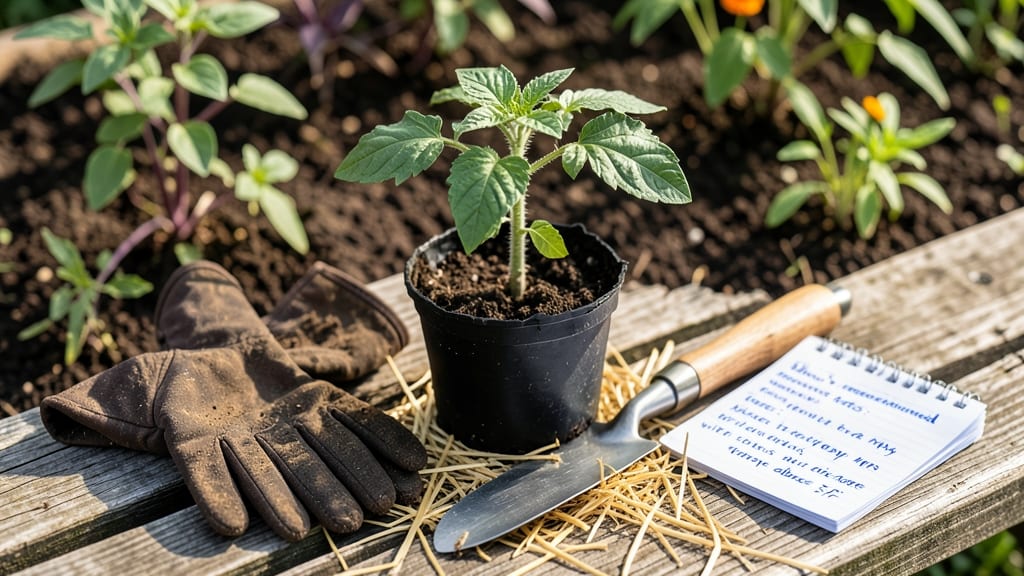
Planting a garden in Ohio after the last frost—around April 15—sets the stage for a bountiful harvest, but timing is everything.
Ohio’s unpredictable spring weather can leave gardeners wondering: When is the perfect time to plant my garden? Get it wrong, and your seedlings could freeze—or worse, rot. But with the right frost-free dates by zone and crop type, you’ll know exactly when to start planting for a thriving Ohio garden.
Cool-season crops like peas and lettuce can often go in the ground as early as mid-March in warmer microclimates, while warm-season favorites like tomatoes and peppers need to wait until after May 15 to avoid frost damage.
Below, I’ll break down the best planting schedule for Ohio’s most popular vegetables, including soil prep tips, frost date adjustments, and how to extend your growing season for a later harvest.
Ohio’s frost-free dates by planting Zone: when to start outdoor gardening
Ohio’s USDA Planting Zones 5b-6b create distinct windows for starting your garden. The average last frost dates range from mid-April in southern Ohio to early May in the north. Knowing these dates helps you avoid frost damage while maximizing your growing season.
Cool-season crops like lettuce and peas thrive when planted 4-6 weeks before the last frost, while tomatoes and peppers need warm soil and air temperatures.
Southern Ohio (Zone 6b) typically sees its last frost around April 15, while northern areas (Zone 5b) often wait until May 1. These dates are averages—always check local forecasts or use the Ohio State University Extension’s frost calendar for real-time updates.
Planting too early risks frost damage, but delaying can shorten harvests. For example, spinach and kale can handle light frosts, while cucumbers and beans need consistent warmth.
Here’s a quick breakdown of Ohio’s frost-free zones and ideal planting windows for your garden:
For cool-season crops, start seeds indoors 6-8 weeks before the last frost or sow directly 4-6 weeks beforehand. Lettuce, spinach, and peas can handle light frosts, but avoid planting them too early—soil must be at least 40°F (4°C).
In Zone 5b, wait until April 15 to plant these outdoors, or use row covers to extend the season. Southern Ohio gardeners in Zone 6b can plant hardy greens as early as March 1, giving them a head start.
Warm-season crops like tomatoes, peppers, and basil need soil temperatures above 55°F (13°C) to germinate. In Ohio, this typically means waiting until after May 1 in most zones.
Start these indoors in March or April for transplants, then harden them off before moving outdoors. Direct-sowing seeds like beans and cucumbers can go in after the soil warms further—usually mid-May—to avoid poor germination. Use a soil thermometer to confirm readiness.
Ohio’s first frost dates vary too, with northern zones seeing frost as early as October 10 and southern areas holding off until October 25. Plan accordingly for fall crops like kale, Brussels sprouts, and broccoli, which can tolerate light frosts.
Succession plant warm-season crops like zucchini and squash in late June for a late-summer harvest before the first frost hits.
Microclimates play a role too. Urban areas may warm up faster than rural spots, while south-facing slopes get sun earlier in the season. Adjust your planting dates by 1-2 weeks** if your garden sits in a warmer microclimate.
Always monitor local weather forecasts—a late frost can wipe out seedlings overnight, while an early warm spell might encourage early planting.
Pro tip: Use frost cloth or row covers to protect tender plants if an unexpected frost is forecasted. These simple tools can buy you 2-4 extra weeks of growing time in Ohio’s unpredictable spring. Pair this with mulching to retain soil warmth, and you’ll extend your harvests well into fall.
Remember, Ohio’s growing season is short but sweet. By aligning your planting with frost-free dates by zone and crop type, you’ll avoid common mistakes like frost damage or stunted growth.
Start with cool-season crops, transition to warm-season plants, and end with frost-tolerant fall favorites for a year-round harvest—even in Ohio’s cooler climate. 🌱
Best planting schedule for Ohio’s most popular vegetables and flowers
Ohio gardeners know timing is everything—especially when planting tomatoes, zucchini, and marigolds. The key is balancing frost dates with soil warmth.
For most of Ohio (USDA zones 5b-6b), aim for mid-April to late May for warm-season crops, but cool-season veggies like spinach and kale can go in as early as March. Microclimates matter too: Urban areas like Columbus may warm up faster than rural Appalachian regions.
Start indoor seedlings 6-8 weeks before your last frost date (typically April 15 for southern Ohio, May 1 for northern areas).
For direct-sown seeds, wait until soil temps hit 60°F+—use a soil thermometer to check. Transplants (like tomato starts) can handle cooler soil, but avoid planting them until nighttime temps stay above 50°F.
Here’s your month-by-month planting roadmap for Ohio’s top crops, including succession planting tips to maximize your harvest:
- March: Start cool-season crops indoors (lettuce, broccoli) or sow directly (peas, spinach). Plant perennials like asparagus crowns.
- April: Direct-sow radishes, carrots, and beets. Transplant cabbage and onion sets. Begin warm-season seeds (tomatoes, peppers) indoors.
- May: Plant tomatoes, zucchini, and marigolds after last frost. Succession-sow bush beans every 2 weeks until July.
- June: Direct-sow fall crops (spinach, kale) for late harvests. Transplant basil and cucumbers.
- July: Sow garlic for next year’s harvest. Add flowering annuals (cosmos, zinnias) for pollinators.
Adjust for microclimates: Urban areas with paved surfaces heat up faster, so you might plant tomatoes 1–2 weeks earlier. Rural areas with wet soils may need to wait longer. Always check Ohio State University Extension for localized updates—last frost dates can shift yearly!
For succession planting, stagger bush beans and lettuce every 2 weeks to avoid gluts. Zucchini and cucumbers thrive with trellises to save space. And don’t forget flowers: Marigolds deter pests, while nasturtiums attract pollinators—plant them alongside veggies for a biodynamic boost.
Plan ahead for fall harvests: Start spinach and kale in late July for a cool-season bounty. Use row covers to protect tender crops like broccoli until October 15, Ohio’s average first frost date. With this schedule, you’ll turn Ohio’s short growing season into a year-round gardening victory!