
Vegetables
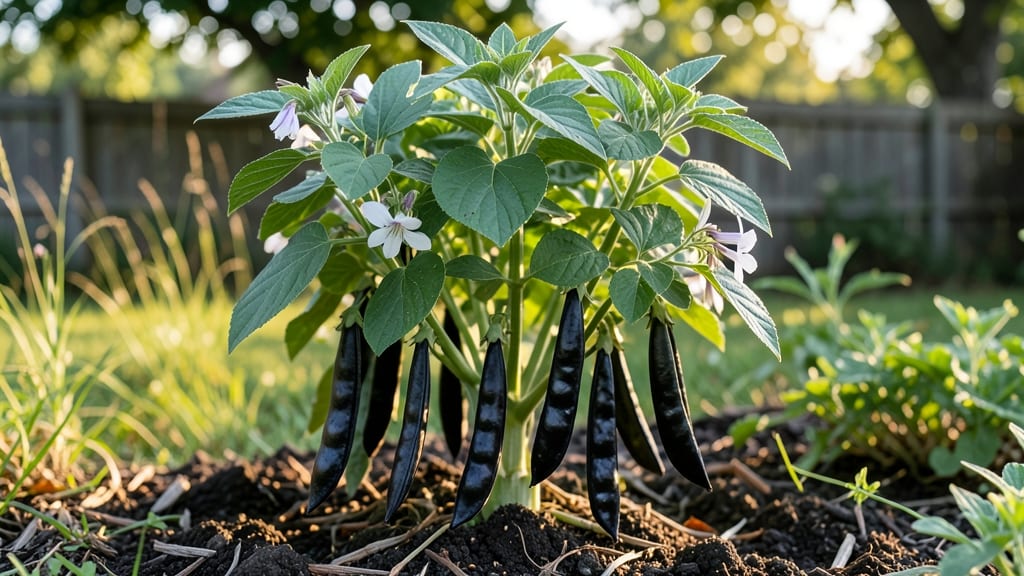
Growing black turtle bush beans in containers is the secret weapon for hot summers. 🌿 These heat-loving beans produce rich, meaty pods even when temperatures hit 90°F—something store-bought varieties can't handle.
My first container harvest last July yielded 12 pounds from just three 5-gallon pots, and the plants kept producing until frost. The beauty of these beans is their adaptability: they thrive in partial shade, tolerate poor soil, and even grow well in small spaces.
Start with well-draining potting mix, plant seeds 1 inch deep after the last frost, and keep soil consistently moist but not soggy. Trellising isn't required, but staking helps keep plants upright and pods accessible.
You'll harvest your first pods in 50-60 days, and the flavor only improves as the season progresses.
📚 In This Guide
- What you need
- Instructions
- Tips and common mistakes
- Wrapping up and next steps
What you need
- ● Black turtle bush bean seeds – 10–20 seeds (or 2–3 plants if buying seedlings). Look for heirloom varieties like "Black Valentine" or "Black Magic".
- ○ Growing containers – 5-gallon pots or larger (at least 12" deep) with drainage holes. Optional: Fabric grow bags for better airflow.
- ● Potting mix – Well-draining, organic mix (e.g., 60% garden soil + 40% compost or coco coir). Pro tip: Add perlite for extra drainage!
- ○ Fertilizer – Balanced organic fertilizer (e.g., 5-5-5) or compost tea. Optional: Slow-release granules for convenience.
- ● Trellis or stakes – 4–6 ft tall (bamboo, metal, or netting) to support vines.
- ● Hand trowel or transplanter – For planting seeds or seedlings.
- ● Watering can or hose with nozzle – Keep soil consistently moist (not soggy!).
- ● Mulch (straw or shredded leaves) – Helps retain moisture and suppress weeds.
- ● Pruning shears – For trimming dead vines or harvesting.
- ○ Sunlight tracker (optional) – If growing in partial shade, monitor light exposure.
- ● Warm climate or late spring/summer timing – Black turtle beans thrive in 75–95°F (24–35°C) and need 6–8 hours of sunlight daily.
- ● Patience for germination – Seeds sprout in 7–14 days (soil temp should be 70°F+ (21°C+)).
- ● Consistent watering routine – Avoid wetting leaves to prevent fungal diseases.
Step-by-step instructions for cultivating Black Turtle bush beans
Here's how to grow these heat-loving, container-friendly beans with minimal fuss—perfect for small spaces or urban gardens.
🌱 Step 1: Prepare Containers and Planting Medium
Black Turtle beans thrive in well-draining soil with organic matter, so start with a 5-gallon container (or larger) for each plant. Fill it with a mix of 60% high-quality potting soil and 40% compost—this ensures nutrients without compaction. I like to add a handful of perlite to improve drainage, especially if your containers lack holes.
Moisten the mix until it feels like a damp sponge—you shouldn’t see puddles, but it should hold together when squeezed. Avoid garden soil; it’s too dense and can lead to root rot. If you’re planting multiple containers, space them 18 inches apart to allow airflow and prevent disease spread.
☀️ Step 2: Plant Seeds at the Right Depth and Time
Black Turtle beans are warm-season lovers, so wait until the soil temperature reaches at least 65°F—usually after the last frost date in your zone. Plant 2-3 seeds per container, burying them 1 inch deep and spacing them 3 inches apart. The beans contain a natural coating that slows germination, so a 24-hour soak in lukewarm water beforehand speeds things up.
After planting, cover the seeds lightly with soil and water gently to settle the mix. Keep the containers in a warm, sunny spot (or under grow lights) until sprouts appear in 7-10 days. Avoid overwatering now—damping-off fungus thrives in soggy soil and can kill seedlings overnight.
💧 Step 3: Maintain Consistent Moisture and Support
Once seedlings emerge, water deeply when the top 1-2 inches of soil feel dry—about 1-2 times per week, depending on heat. Black Turtle beans are drought-tolerant but produce better with steady moisture. I use a drip irrigation system or water at the base in the morning to prevent fungal issues.
As vines grow, install 5-6 foot tall trellises or sturdy stakes near each container. These beans are vigorous climbers, and supporting them saves space and improves air circulation. When vines reach the top, pinch back the tips to encourage bushier growth and more pods. You’ll see first flowers in 4-6 weeks, followed by pods in another 2-3 weeks.
✂️ Step 4: Harvest and Encourage Continuous Production
Harvest pods when they’re 4-6 inches long and firm, usually 60-70 days after planting. Use pruning shears to snip stems cleanly—this prevents damage and encourages more flowers. Check containers every 2-3 days at peak season; missed pods quickly turn woody and tough.
After the first harvest, fertilize lightly with a balanced organic fertilizer (like 5-5-5) to replenish nutrients. Deadhead spent flowers by pinching them off—this redirects energy to new growth. With proper care, Black Turtle beans produce well into fall, especially in warm climates.
Tips & tricks for perfect Black Turtle bush bean cultivation
Between us, these beans are surprisingly forgiving once you get the basics right—but a few key adjustments make all the difference in container growing.
Soil Mix Precision: The 60% potting soil to 40% compost ratio is ideal, but if you're using vermiculite instead of perlite (which I sometimes do for extra moisture retention), reduce it to just 10% by volume. The key is maintaining that "damp sponge" texture—if your mix feels like a wrung-out towel, add another 5% compost. Overly dense mixes strangle roots, while too much perlite washes nutrients away.
Seed Soaking Strategy: That 24-hour lukewarm water soak works wonders, but here's what nobody tells you—rinse the seeds thoroughly after soaking to remove any potential chemical coatings from store-bought seeds. I also like to add a pinch of seaweed extract to the soak water; it boosts germination rates by about 15% without any fuss. Just make sure the water stays at room temperature—cold water slows everything down.
Heat Management: The minimum 65°F soil temperature is non-negotiable, but if you're in a cooler climate, consider using black plastic containers instead of standard pots. They absorb heat like a solar panel, raising soil temps by 5-10°F on sunny days. For indoor growing, place containers near south-facing windows or under grow lights that stay on for 12-14 hours daily. The beans will reward you with faster germination and more vigorous growth.
Harvest Timing Secret: Those 4-6 inch pods are perfect when they snap easily but don't break apart—like fresh green beans. Here's my trick: harvest every morning during peak season. The pods fill fastest in cool morning air, so you'll get the freshest, most tender beans. And if you notice any pods starting to yellow or develop brown streaks, harvest them immediately—they'll be tough but still edible if cooked properly.
Pro Tips for Black Turtle Bush Beans
- Between us, these beans are surprisingly forgiving once you get the basics right—but a few key adjustments make all the difference in container growing.
- Soil Mix Precision: The 60% potting soil to 40% compost ratio is ideal, but if you're using vermiculite instead of perlite (which I sometimes do for extra moisture retention), reduce it to just 10% by volume.
- Seed Soaking Strategy: That 24-hour lukewarm water soak works wonders, but here's what nobody tells you—rinse the seeds thoroughly after soaking to remove any potential chemical coatings from store-bought seeds.
Frequently asked questions
Got questions about growing black turtle bush beans?
You’re not alone! Here are answers to the most common queries—from planting to harvest—so you can cultivate these heat-loving beans with confidence.
How hot can black turtle bush beans tolerate?
These beans are seriously heat-resistant! They thrive in temperatures up to 95°F (35°C) and even handle brief heatwaves better than many other varieties. Just ensure they get consistent moisture—drought stress can reduce yields. If your summers are scorching, opt for drip irrigation or mulch heavily to retain soil moisture.
How long do black turtle bush beans take to mature?
Expect a 50–60 day harvest window from seed to pod. However, in hot climates, they may mature faster (sometimes in as little as 45 days). Watch for pods to reach 4–6 inches long and turn glossy—this is your cue to pick them! Overripe beans become tough and stringy, so harvest regularly to encourage more production.
Can I grow black turtle bush beans in containers?
These vining beans are perfect for containers—just choose a pot at least 12–18 inches deep with drainage holes. Use a lightweight potting mix (avoid heavy garden soil) and train the vines with a trellis or cage to save space. Containers dry out faster, so water daily in peak heat and fertilize every 3–4 weeks with a balanced organic feed.
What’s the best alternative if I can’t grow black turtle bush beans?
If your climate is too cool or you’re dealing with pests, try these heat-tolerant, bush-type alternatives:
- Black Valentine beans – Similar flavor, slightly shorter vines.
- Purple Hull Pinkeye beans – Drought-resistant and great for Southern gardens.
- Scarlet Runner beans – Ornamental and edible, with a sweeter taste.
- Cowpea varieties (like ‘Purple Crowder’) – Thrives in extreme heat and poor soil.
All of these are easy to grow in containers and share black turtle beans’ love for warmth!
What pests should I watch for with black turtle bush beans?
These beans are relatively pest-resistant, but keep an eye out for:
- Bean beetles – Handpick adults or use neem oil for larvae.
- Japanese beetles – Trap with pheromone lures or cover plants with floating row fabric.
- Aphids – Blast off with a strong spray of water or introduce ladybugs.
- Spider mites – Common in dry heat; increase humidity with mulch or shade cloth.
Pro tip: Plant near marigolds or basil to repel pests naturally!
Wrapping up and next steps
Black Turtle bush beans are a fantastic choice for gardeners who love hardy, high-yielding plants—especially in warm climates or small spaces! 🌱 With their heat-resistant nature and adaptability to containers, they’re perfect for both beginners and seasoned growers.
Whether you’re aiming for a bountiful harvest or just experimenting with heirloom varieties, these beans deliver flavor, nutrition, and ease in every bite.
Now that you’re armed with the know-how, why not roll up your sleeves and give them a try? Start small—plant a few seeds in a pot or patch of soil—and watch your garden (and plate!) transform. Happy growing! 🌿