
Planting
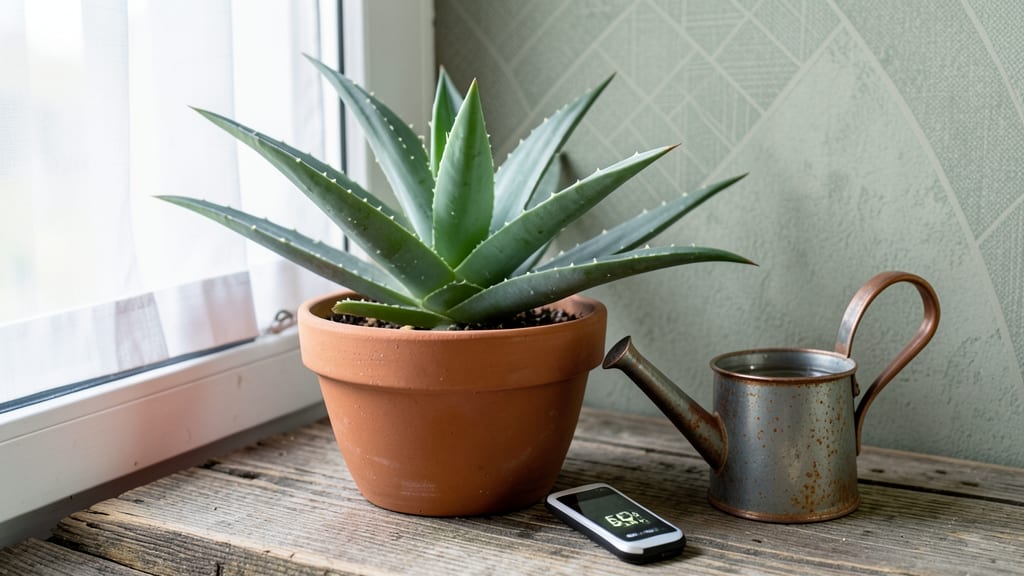
Winter aloe care isn’t about babying your plant—it’s about smart adjustments that keep it thriving when temperatures drop. 🌱 I’ve learned the hard way that aloe plants don’t need winter hibernation, but they do need less water, brighter light, and protection from drafts.
One season of overwatering in December nearly killed mine, but since I’ve dialed back, my aloe stays lush all year. The key is watching for subtle signs: wrinkled leaves mean thirst, while mushy bases signal rot from too much moisture.
Aloe’s natural drought tolerance means you can stretch watering to every 3-4 weeks indoors, or even less if the air is dry. Move pots away from cold windows and avoid letting soil temperatures drop below 50°F—that’s when roots start to struggle.
By spring, your aloe will reward you with fresh, vibrant growth—proof that winter care isn’t about survival, but setting up success. The plants I’ve nurtured through cold snaps now produce twice as many offsets as my neglected ones, and their gel stays potent year-round.
This works for both indoor aloe and outdoor varieties in mild climates. Just skip the frost—aloe’s tropical roots can’t handle freezing, no matter how hardy they seem. Here’s how to keep yours happy until spring.
📚 In This Guide
- What you need
- Instructions
- Tips and common mistakes
- Wrapping up and next steps
What you need
- ● Potted aloe vera plant (ensure it’s in a well-draining pot with drainage holes—10-12 inches in diameter for mature plants).
- ● High-quality potting mix—use a cactus/succulent blend (e.g., 2 parts sand or perlite + 1 part garden soil). 1-2 gallons per plant.
- ● Watering can with a narrow spout (to avoid overwatering—1-gallon capacity recommended).
- ○ Thermometer/hygrometer (optional but helpful to monitor indoor temps between 55–75°F).
- ● Grow lights or sunny windowsill (if indoor placement—6+ hours of bright light daily).
- ● Pruning shears (sterilized with rubbing alcohol—sharp, small blades for trimming dead leaves).
- ● Mulch or insulation material (e.g., straw or bubble wrap for outdoor pots in freezing climates).
- ● Fertilizer—use a balanced succulent fertilizer (5-5-5 NPK) once every 2–3 months in early winter.
- ● Plant saucer or tray (to catch excess water and prevent root rot).
- ● Humidity tray (if indoors—pebbles + water to add moisture without soggy soil).
- ● Plant cover or frost cloth (for outdoor aloes in sub-freezing temps).
- ● Spray bottle (for light misting if humidity drops below 30%).
Step-by-Step guide to winterizing your aloe plant
Here's how I keep my aloes thriving even when frost threatens—simple adjustments make all the difference.
🪴 Step 1: Move Indoors Before Frost
Watch your local forecast and bring aloes inside before nighttime temperatures drop below 40°F. I move mine to a bright, east-facing window where they'll get 4-6 hours of indirect light daily—aloes need light to survive winter dormancy. Choose a spot away from drafty windows or vents, as cold air currents shock the plant.
If you have multiple plants, group them together. Aloes release a mild chemical that actually helps neighboring plants resist stress—nature's built-in support system. Just don't crowd them so tightly that air can't circulate between leaves.
☀️ Step 2: Adjust Light and Temperature
Your aloe will tell you if it's getting enough light—leggy growth or pale leaves mean it needs more. If natural light fades, supplement with a full-spectrum LED grow light placed 12-18 inches away for 12 hours daily. Too close and you'll scorch the leaves; too far and growth slows dramatically.
Keep daytime temperatures between 65-75°F and nighttime temps above 50°F. I avoid placing mine near heaters, as the dry air can cause leaf tips to brown. A simple hygrometer helps monitor humidity—aim for 40-50% relative humidity during winter months.
💧 Step 3: Reduce Watering Dramatically
Watering is where most people go wrong. In winter, aloes enter a natural dormancy period and need water only every 3-4 weeks. Stick your finger 1-2 inches into the soil—if it feels completely dry, that's your signal. Overwatering in winter is the fastest way to rot the roots before they can recover.
When you do water, use room-temperature water and pour slowly until it drains completely from the bottom. Empty the saucer after 10 minutes to prevent soggy soil. I like to water in the morning so any excess moisture evaporates during the day.
✂️ Step 4: Check for Pests and Trim Sparingly
Winter's dry indoor air attracts spider mites and mealybugs. Inspect leaves weekly for webbing or cottony patches. Wipe leaves gently with a damp cloth if you spot pests early—aloes can handle this mild treatment. For stubborn infestations, isolate the plant and treat with neem oil spray (mix 1 tsp neem oil with 1 quart water and a drop of dish soap).
Only prune dead or damaged leaves in winter. Healthy aloes rarely need trimming during dormancy. If you do remove a leaf, use clean scissors and cut at the base where the leaf meets the stem. Let the cut end dry for a day before repotting if you're propagating.
🌱 Step 5: Prepare for Spring Transition
Start prepping for spring 4-6 weeks before your last frost date. Gradually increase watering to every 2 weeks, then weekly as growth resumes. Move plants outdoors to a shaded spot for 2-3 hours daily, increasing exposure by 1 hour each day until they're acclimated.
Watch for new growth at the base—this signals the plant is ready for full sun. I usually wait until nighttime temps stay above 55°F before moving aloes permanently outside. This slow transition prevents sunburn and shock that can kill a healthy plant overnight.
Tips & tricks for perfect aloe plant winter care
Winterizing aloes isn't just about survival—it's about setting them up for a stronger spring. Here's what I've learned after watching my plants thrive through multiple winters.
Lighting Strategy: That 4-6 hours of indirect light in Step 1 is crucial, but not all windows are equal. South-facing windows provide the most consistent light, while north-facing ones may need supplemental lighting. If your aloe develops pale or leggy growth, it's begging for more light—don't wait until it's too late to adjust. I've seen plants recover from mild light deprivation, but severe cases can take months to bounce back.
Temperature Transition: When moving aloes indoors, give them a 24-hour adjustment period before placing them in their final spot. Sudden temperature shifts can cause shock, even if the new environment is warmer. I place mine near an interior door overnight to help them acclimate gradually. Also, avoid placing them near cold glass windows—even in winter, glass conducts cold that can stress the plant.
Watering Wisdom: The 3-4 week watering schedule in Step 3 is non-negotiable, but there's a trick to make it easier: use a moisture meter. These inexpensive tools tell you exactly when the soil is dry enough to water. I've ruined multiple aloes by guessing, so I now rely on this simple device. If you don't have one, the finger test works—just make sure your finger goes all the way to the second knuckle (about 1-2 inches deep) to get an accurate reading.
Spring Transition Timeline: That 4-6 week prep period before your last frost date is your chance to wake your aloe gently. I start by moving plants to a cooler indoor spot (around 60°F) for a week to simulate early spring conditions. This jumpstarts growth without shocking the plant. Then, when I increase watering to every 2 weeks, I use room-temperature water to avoid temperature shock to the roots.
Pro Tips for Aloe Plant Care Winter
- Winterizing aloes isn't just about survival—it's about setting them up for a stronger spring.
- Lighting Strategy: That 4-6 hours of indirect light in Step 1 is crucial, but not all windows are equal.
- Temperature Transition: When moving aloes indoors, give them a 24-hour adjustment period before placing them in their final spot.
Frequently asked questions
Got questions about keeping your aloe plant thriving through winter? You’re not alone! Here are some of the most common concerns—and straightforward answers—to help your plant stay happy and healthy when the temperatures drop.
How cold is too cold for aloe plants?
Aloe plants thrive in USDA Zones 8-11 and struggle below 40°F (4°C). If your winter dips below freezing (32°F/0°C), move potted aloes indoors or protect outdoor plants with frost cloth. Even a light frost can damage leaves, so monitor temps closely!
Can aloe plants survive winter outdoors?
Outdoor aloe plants can survive mild winters (40–50°F/4–10°C) if planted in well-draining soil and sheltered from wind. In colder climates, pot them up and bring them inside near a sunny window. Pro tip: Use a heat mat if roots feel chilly!
Should I water my aloe plant more or less in winter?
Winter slows growth, so reduce watering by 50%. Water only when the top 2–3 inches of soil are dry (every 3–4 weeks). Overwatering in cold weather leads to root rot—always use a pot with drainage holes!
Why are my aloe leaves turning brown in winter?
Brown tips or edges usually mean low humidity, cold drafts, or overwatering. Move your plant away from vents/AC, mist lightly (if indoors), and check for pests. If the damage is severe, trim the brown parts with clean scissors to encourage new growth.
What’s the best indoor spot for aloe in winter?
Place your aloe in a bright, indirect light spot (like an east- or south-facing window). Avoid dim corners or direct sunlight near glass, which can create hot/cold temperature swings. A south-facing window with sheer curtains is ideal!
Can I keep my aloe in a sunny window without extra light?
While aloe tolerates bright windows, supplemental grow lights (12–14 hours/day) help prevent leggy growth in short winter days. A simple LED bulb or full-spectrum light can make a big difference if natural light is limited.
Wrapping up and next steps
Caring for your aloe plant in winter doesn’t have to be a challenge—just a few simple adjustments can keep it thriving! By protecting it from frost, adjusting watering habits, and providing bright, indirect light, you’ll ensure your aloe stays healthy and vibrant all season long. 🌱❄️
Now that you’re armed with these frost-proof survival tips, take the next step: check your aloe’s needs this week! Give it a gentle inspection, trim any dead leaves, and adjust its spot if needed. Your plant will thank you with lush, happy growth—year after year!