
Vegetables
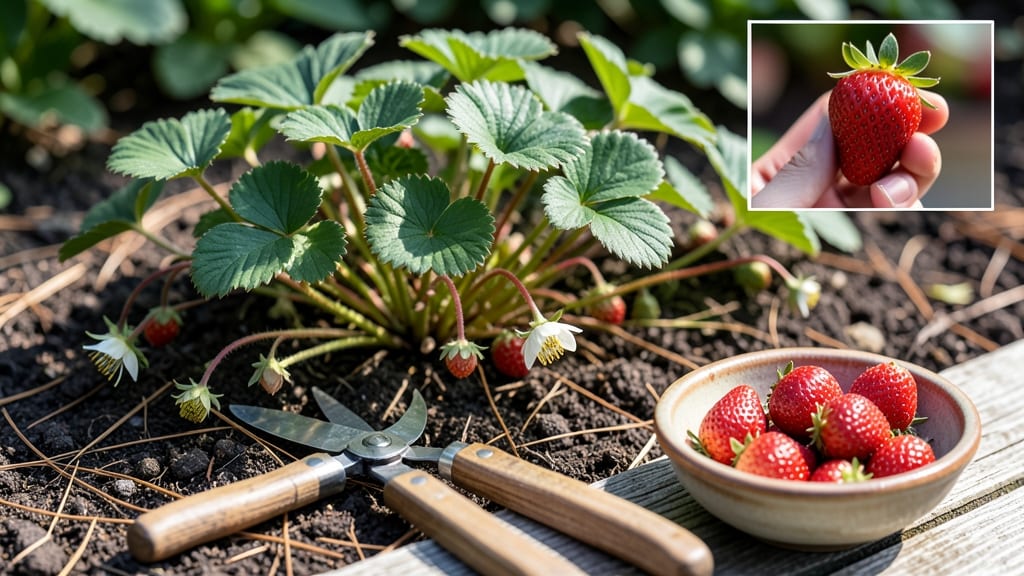
Yes, wild strawberries are edible for humans and completely safe when properly identified, delivering a more concentrated, aromatic flavor than store-bought varieties. However, you must distinguish them from toxic imposters like bittersweet nightshade or water hemlock, which share similar habitats.
Wild strawberries (Fragaria vesca) thrive in temperate climates and pack a punch with their complex, tangy-sweet profile—often described as a cross between garden strawberries and raspberries. 🌿 The key to safe consumption lies in their identification: true wild strawberries grow low to the ground with trifoliate leaves (three leaflets) and tiny, bright red berries.
Many foragers swear by the "thumbprint test"—pressing a berry should leave no white residue, as toxic look-alikes often do. Once confirmed, you can enjoy them fresh, in salads, or even as infused syrups, though their delicate size means yields are modest compared to cultivated berries.
Harvesting at peak ripeness (late spring to early summer) ensures maximum flavor and nutritional benefits, including higher vitamin C levels than commercial strawberries. I always recommend washing them thoroughly and storing in the fridge for up to 3 days, or freezing for longer preservation.
The trade-off? Their small size means you'll need about 10 wild berries to equal the volume of one cultivated strawberry—but the unique taste experience makes it worthwhile for adventurous eaters.
💡 In This Article
- Identifying Edible Wild Strawberries vs Poisonous Look-Alikes
- Harvesting and Preparing Wild Strawberries Safely
Identifying edible wild strawberries vs poisonous look-alikes
Wild strawberries (Fragaria vesca) have three distinct leaflets arranged in a fan shape, each with jagged edges and a slightly hairy texture. The berries grow close to the ground, rarely exceeding 1 inch in diameter, and their leaves emit a faint strawberry-like aroma when crushed.
This trifoliate pattern is your first clue—many toxic look-alikes like bittersweet nightshade have smooth, oval leaves with 5-7 leaflets arranged alternately.
The berry size and growth habit also differ dramatically. Wild strawberries grow in dense clusters along the stem, while deadly water hemlock produces single, larger berries on a hollow-stemmed plant that smells faintly of parsley when crushed.
Another key test: press a berry between your fingers—true wild strawberries leave no white juice residue, whereas toxic berries often do. Season matters too: wild strawberries ripen in late spring to early summer, while many poisonous look-alikes appear later in the season.
Light plays a crucial role in identification. Wild strawberries thrive in partial shade, often growing in meadows or forest edges, while nightshade prefers full sun and disturbed soils. The roots also differ: wild strawberries have shallow, fibrous roots, whereas water hemlock has a thick, white taproot.
This root difference explains why water hemlock can grow in wetter areas—its structure allows it to anchor in marshy soil where strawberries would rot.
What most people don't realize is how quickly toxic plants can mimic wild strawberries. For example, the red baneberry (Actaea rubra) produces bright red berries that resemble wild strawberries but contain toxic glycosides.
The key distinction: baneberry berries have a single, glossy seed surrounded by a translucent skin, while wild strawberries have multiple tiny seeds embedded throughout. Always examine both the leaves and berries before consuming anything from the wild.
When in doubt, use the three-part identification method: examine the leaves, berries, and growing conditions. I've seen foragers make mistakes by focusing only on berry color—red doesn't guarantee safety. The leaves and growth pattern provide 90% of the identification clues you need.
For extra caution, consider taking a small sample to a local extension office for verification before consuming larger quantities.
Remember that children and pets are particularly vulnerable to poisoning. The 1-2 berry rule applies: if you can't positively identify a plant with absolute certainty, assume it's toxic. This conservative approach has saved many from accidental poisoning incidents reported in foraging communities each year.