
Planting
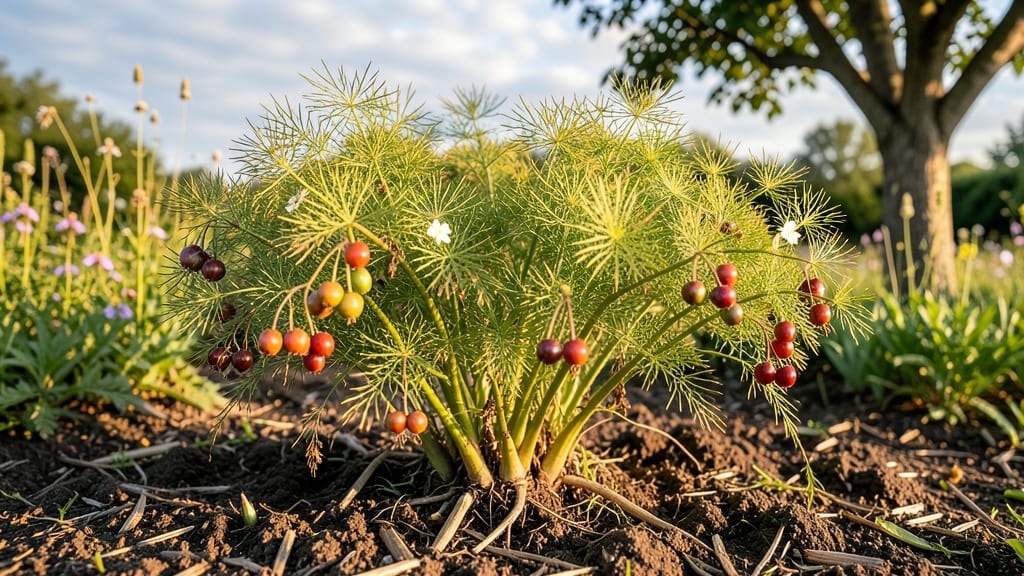
Your asparagus plants gone to seed means it's time to act before next year's harvest suffers. 🌱 I've seen this happen after years of neglect—when plants get too old, overcrowded, or stressed—and the good news is, you can often bring them back with the right moves.
The seed stalks (ferns) signal the plant is redirecting energy toward reproduction instead of spears. This happens when you skip harvests, let plants get too mature, or deal with pests/diseases. Even just one season of missed harvests can trigger this shift.
By cutting back seed stalks and adjusting care, you'll encourage fresh spear production. Focus on watering, fertilization, and proper harvest timing this season, and you'll see strong regrowth by spring. The key is balancing patience with action—don't let the plants go completely wild.
This works for both established beds and younger plants struggling with stress. Let's get those spears growing again before next harvest season arrives.
Root Causes Of Premature Seed Development
Understanding why your asparagus plant has gone to seed requires a deep dive into its biology and growth cycles. Asparagus (Asparagus officinalis) is a perennial vegetable that typically takes 2-3 years to establish before producing spears.
However, if it bolts (sends up seed stalks) too early, it’s usually due to one or more of these key triggers:
🌱 The older it gets, the more likely it bolts.
Asparagus plants are designed to reproduce sexually after a few years of vegetative growth. If left unchecked, a mature asparagus bed (especially those 3+ years old) will naturally shift energy from spear production to seed development. This is a survival mechanism—older plants prioritize reproduction over food storage.
Why it happens:
- Hormonal shift: As the crown (root system) ages, it produces ethylene gas and florigen (a flowering hormone), signaling the plant to bolt.
- Energy redistribution: After years of spear harvest, the plant’s stored carbohydrates deplete, prompting it to focus on seed production for the next generation.
- Genetic programming: Some asparagus varieties (like Mary Washington) are more prone to early bolting than others (e.g., Jersey Knight or Pacific 2000).
Actionable fix:
- Harvest spears aggressively in the first 2-3 years to delay bolting.
- Replace older beds (5+ years)—asparagus crowns weaken over time, making bolting inevitable.
🌡️ Heat, drought, and poor soil send panic signals.
Asparagus is a cool-season crop, and when pushed beyond its comfort zone, it bolts prematurely as a survival tactic. Stressors include:
| Stressor | How It Causes Bolting | Solution |
|---|---|---|
| Extreme Heat | Temperatures above 85°F (29°C) disrupt normal growth, forcing early flowering. | Provide shade cloth in peak summer or mulch heavily to retain moisture. |
| Drought Stress | Lack of water causes osmotic stress, triggering flowering hormones. | Water deeply 1-2 inches per week (especially in dry spells). |
| Poor Soil Drainage | Waterlogged roots suffocate the crown, starving it of oxygen and nutrients. | Amend soil with compost or sand and ensure raised beds if clay is present. |
| Nutrient Deficiency | Low phosphorus (P) or potassium (K) weakens the plant, making it bolt faster. | Fertilize with a balanced 10-10-10 in early spring and potassium sulfate mid-season. |
Pro Tip: 💡 If your asparagus bolts after a sudden heatwave, it’s likely a temporary response—trim the seed stalks immediately to redirect energy back to spears.
✂️ Cutting too late or too little accelerates bolting.
Asparagus spears should be harvested before they unfurl more than 6-8 inches—any later, and the plant interprets this as a signal to stop producing food and start reproducing.
Why it happens:
- Spears left to mature: If you allow spears to fully open and turn fern-like, the plant thinks it’s done with vegetative growth and shifts to seed production.
- Over-harvesting young plants: Harvesting more than 1/3 of the spears in the first year weakens the crown, making it bolt faster in subsequent years.
- Skipping harvest seasons: Missing the prime harvest window (2-3 weeks) in spring confuses the plant’s growth cycle.
Actionable fix:
- Harvest spears at the "pencil stage" (when they’re about 6-8 inches tall and still tightly closed).
- Never take more than 20% of spears in Year 1 and 30% in Year 2 to build root strength.
- Stop harvesting by mid-June to let the ferns photosynthesize and recharge the crown for next year.
🌅 Longer days trick the plant into thinking it’s time to flower.
Asparagus is day-neutral but responds to photoperiod (day length) in some varieties. When days grow longer (especially in late spring/early summer), the plant may interpret this as a signal to bolt and set seed.
Why it happens:
- Long daylight hours (14+ hours) can trigger flowering in sensitive varieties.
- Poor light conditions (e.g., shading from trees or tall plants) can also stress the asparagus, leading to premature bolting.
Actionable fix:
- Choose bolt-resistant varieties like Pacific 2000 or Jersey Giant if you’re in a long-day region.
- Avoid planting near tall competitors—asparagus needs full sun (6+ hours daily).
- Use row covers in early spring to extend the harvest season without stressing the plant.
🐛 Weakened plants bolt faster to reproduce before dying.
If your asparagus is under attack from pests (asparagus beetles, aphids) or diseases (fusarium wilt, rust), the plant may bolt as a last-ditch effort to preserve its genetic line.
Common Culprits:
- Asparagus Beetles: Larvae chew on spears and crowns, weakening the plant.
- Root Rot (Phytophthora): Waterlogged conditions lead to crown decay, forcing early bolting.
- Viral Infections: Symptoms like yellowing ferns or stunted spears indicate systemic stress.
Actionable fix:
- Handpick beetles and larvae daily (drop them in soapy water).
- Apply neem oil or kaolin clay as a barrier against pests.
- Rotate crops—never plant asparagus in the same spot for more than 15 years to prevent soil-borne diseases.
🌿 Too much "green" fertilizer = early bolting.
While nitrogen (N) promotes leafy (fern) growth, excessive amounts can delay flowering—but if the plant gets too much too late, it may bolt earlier than usual.
Why it happens:
- Late-season nitrogen spikes (after mid-July) can disrupt the plant’s natural cycle, causing it to bolt prematurely.
- Organic matter overload (e.g., fresh manure) can raise soil temperature, mimicking stress signals.
Actionable fix:
- Use a balanced fertilizer (10-10-10) in early spring and potassium-heavy (0-0-50) in late summer to support root health.
- Avoid fresh manure—compost it for 6+ months before applying.
- Test your soil—asparagus prefers slightly acidic to neutral pH (6.5-7.0).
While bolting can be frustrating, seed stalks mean your asparagus is healthy and mature—it’s just redirecting energy. If you trim them back, the plant can often recover and produce spears again next season.
However, if bolting happens year after year, it’s time to replace the bed and start fresh.
Reviving Your Asparagus Before It Bolts
If your asparagus plant has gone to seed, don’t panic—there’s still hope! The key is acting quickly to redirect its energy back into productive growth. Below are practical, step-by-step solutions tailored to the most common causes, plus prevention tips to keep your harvest thriving next season.
If your asparagus is past its prime (typically 3+ years old), it may bolt prematurely due to stress or exhaustion. Here’s how to reset it:
🔥 Step 1: Stop Harvesting Immediately
- Why? Continuing to cut spears signals the plant to keep producing seeds instead of storing energy.
- What to do: Let all spears grow naturally for 1–2 weeks to deplete stored energy.
🍳 Step 2: Fertilize for Recovery
- Use a balanced, nitrogen-rich fertilizer (10-10-10) to encourage leafy regrowth.
- Pro tip: 💡 Mix in compost or well-rotted manure to replenish soil nutrients without burning roots.
👨🍳 Step 3: Prune Seed Stalks Aggressively
- When: After spears turn woody or seed pods form.
- How:
- Cut all seed stalks at ground level with clean shears.
- Remove yellowing or dead fronds to redirect energy.
- ⚠️ Warning: Avoid pruning healthy green fronds—they’re the plant’s food factory!
⏰ Step 4: Water Deeply & Mulch
- Water: Soak the soil 1–2 inches deep weekly (drought stress speeds up bolting).
- Mulch: Apply 2–3 inches of straw or shredded leaves to retain moisture and cool roots.
🌡️ Prevention for Next Year:
- Harvest younger spears (thinner but more tender) to delay maturity.
- Plant new crowns every 3–4 years to refresh the bed.
If your asparagus bolts due to low phosphorus or potassium, it’ll prioritize seed production over spears. Correct the imbalance with:
🔥 Step 1: Soil Test First
- Why? Over-fertilizing with nitrogen (common in lawn fertilizers) can worsen the issue.
- How: Send a soil sample to your local Cooperative Extension for a phosphorus (P) and potassium (K) test.
🍳 Step 2: Apply Phosphate-Rich Amendments
- Bone meal (3-15-0): Sprinkle 1–2 tbsp per plant in early spring.
- Wood ash (0-0-5): Lightly scatter ½ cup per plant in fall (avoid overdoing it—it raises pH).
👨🍳 Step 3: Use a Slow-Release Potassium Boost
- Greensand or kelp meal: Mix 1 tbsp per square foot into the soil.
- Avoid: Sudden potassium spikes (like Miracle-Gro), which can cause imbalances.
✨ Prevention Tip:
- Side-dress with compost tea every 4–6 weeks during the growing season.
- Avoid fresh manure—it can burn roots and trigger bolting.
Asparagus bolts when stressed by extreme heat or dry soil. Here’s how to cool it down:
🔥 Step 1: Provide Shade Cloth
- Install 30–50% shade cloth over the bed if temps exceed 90°F (32°C).
- Alternative: Use row covers for lightweight protection.
🍳 Step 2: Mulch Heavily
- Double up: Layer straw (2 inches) + black plastic to insulate roots.
- Pro tip: 💡 Wet the mulch, not just the soil—this cools the air around plants.
👨🍳 Step 3: Deep Watering Schedule
- Morning watering: Aim for 1–1.5 inches per week (more in sandier soils).
- Drip irrigation is best—it delivers water slowly to roots without wetting foliage (which encourages disease).
🌡️ Prevention for Hot Climates:
- Plant in late summer/fall (instead of spring) for a cooler establishment.
- Choose bolt-resistant varieties like ‘Purple Passion’ or ‘Jersey Knight.’
If pests (like asparagus beetles) or fungus (e.g., rust) weaken your plant, it may bolt as a survival tactic.
🔥 Step 1: Remove Infested Debris
- Burn or compost all dead fronds and spears to prevent reinfestation.
- Handpick beetles (drop them in soapy water) for organic control.
🍳 Step 2: Apply Organic Fungicides
- Neem oil (1%) or copper spray: Treat every 7–10 days if rust or mildew appears.
- Baking soda spray (1 tbsp + 1 tsp oil per gallon of water): Safe for edible crops.
👨🍳 Step 3: Boost Plant Immunity
- Foliar feed with seaweed extract (contains growth hormones to speed recovery).
- Interplant with garlic or chives to deter pests naturally.
🎯 Prevention Checklist:
- Rotate crops—don’t plant asparagus in the same spot for 5+ years.
- Plant trap crops (like nasturtiums) to lure away pests.
🌟 Final Reminder: Even if your asparagus bolts this year, healthy crowns can recover and produce spears again next season. The key is acting fast, feeding wisely, and preventing stress—so your garden doesn’t become a seed factory! 🌱
Frequently asked questions
Why does my asparagus plant suddenly produce seed stalks?
Asparagus bolts (produces seed stalks) when it senses stress or maturity triggers. Common causes include age (3+ years old), skipping harvest seasons, heat stress above 85°F, or nutrient imbalances. The plant redirects energy from spears to seed production as a survival mechanism.
Can I still harvest spears after my asparagus goes to seed?
Yes, but with caution. Once seed stalks appear, focus on pruning them back immediately to redirect energy. You may still get smaller spears in the same season, but future harvests will improve if you address root causes like over-maturity or poor soil.
How do I know if my asparagus plant is too old to save?
If your plants bolt every year or produce very few spears despite proper care, they're likely past their prime. Asparagus crowns weaken after 5+ years—replace them with fresh 1-year-old crowns for better yields.
Will cutting back seed stalks help my asparagus recover?
Cutting seed stalks at ground level within 2 weeks of appearance gives the plant a chance to redirect energy. Pair this with deep watering (1-2 inches weekly) and balanced fertilizer (10-10-10) to encourage spear regrowth next season.
Can I save seeds from my asparagus plant?
Yes, but only if you want to propagate the exact variety you have. Let 1-2 seed stalks mature fully, then collect the red berries (seeds) when dry. Store them in a cool, dry place for up to 2 years.