
Planting
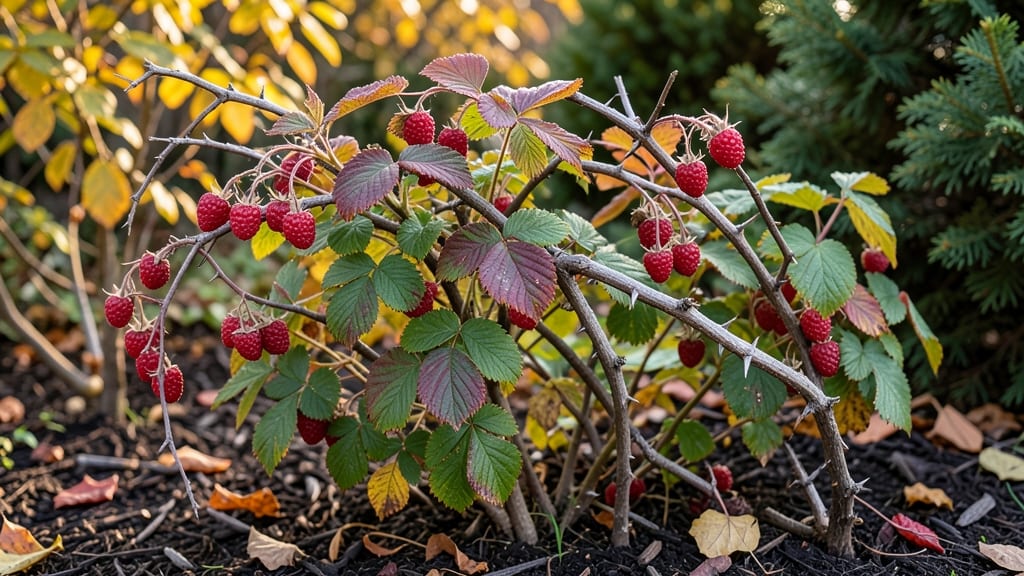
Growing the Autumn Bliss raspberry plant in containers means juicy harvests without the fuss of a full garden bed. 🌿 I've learned the sweet spot for this variety—sunny spots, well-draining soil, and just enough pruning to keep them productive.
The key is treating them like the low-maintenance powerhouses they are, especially when space is limited.
These raspberries thrive in 5-gallon containers with a mix of potting soil and compost, and they love morning sun with afternoon shade in hotter months. Watering is simple: keep the soil consistently moist but never soggy, and you'll see those canes packed with fruit by late summer.
The minimal pruning? Just remove old canes after harvest, and you're set for next year's bounty.
What you end up with is a reliable harvest of sweet, deep-red berries that ripen in late summer—perfect for jams, fresh eating, or sharing with neighbors. The plants stay compact, so they're ideal for patios, balconies, or small yards. Plus, container growing makes it easy to move them if needed.
Here's the secret: these raspberries reward patience with fewer pests and diseases than in-ground varieties, and they produce fruit for years with proper care. Whether you're a beginner or just short on space, this method delivers results without the work. Let's get those containers planted!
📚 In This Guide
- What you need
- Instructions
- Tips and common mistakes
- Wrapping up and next steps
What you need
- ● Raspberry plant: 1–2 Autumn Bliss raspberry canes (bare-root or potted, disease-free).
- ● Container: 1 large pot (12–18 inches deep, 18–24 inches wide) with drainage holes. Fabric grow bags work too!
- ● Potting mix: 3–5 gallons of well-draining, organic-rich soil (e.g., 60% potting mix + 40% compost).
- ● Fertilizer: Balanced granular fertilizer (10-10-10) or organic options like worm castings or fish emulsion.
- ○ Slow-release raspberry-specific fertilizer (optional but helpful).
- ● Mulch: 2–3 inches of straw or wood chips to retain moisture and suppress weeds.
- ● Support system: 1–2 trellis stakes or A-frame supports (6+ feet tall) for canes to climb.
- ● Watering can or hose: With a gentle spray nozzle for deep watering.
- ● Drip irrigation kit for consistent moisture.
- ● Soil moisture meter to avoid over/under-watering.
- ● Pruning shears (sterilized with rubbing alcohol).
- ● Epsom salt (1 tbsp/month) for magnesium boosts.
- ● Row covers or netting to protect from pests like birds.
Step-by-step guide to growing Autumn Bliss raspberries in containers
Here's how I've learned to coax these sweet, disease-resistant berries into thriving container plants with just a few strategic cuts.
🪴 Step 1: Select and Prepare the Right Container
Autumn Bliss raspberries need at least 18 inches deep and 12 inches wide per plant to support their vigorous roots. I prefer fabric grow bags because they allow roots to breathe and prevent waterlogging, which these plants hate. Make sure each container has multiple drainage holes—raspberries despise soggy feet.
Line the bottom with 2-3 inches of gravel or broken pottery to create a drainage layer. This prevents root rot, especially important in containers where water can pool. If using plastic pots, add a thick layer of landscape fabric over the drainage layer to keep soil from washing out while still allowing water to escape.
🌱 Step 2: Plant with Proper Spacing and Support
Fill the container ¾ full with a well-draining potting mix blended with compost (I use 50% potting mix, 30% compost, 20% perlite). Raspberries thrive in slightly acidic to neutral soil, so avoid heavy garden soil. Plant each cane 2-3 inches deeper than it was in its nursery pot to encourage strong root establishment.
Install a trellis or sturdy wire frame immediately after planting. Autumn Bliss raspberries grow 6-8 feet tall, and without support, canes flop and break. I use galvanized wire cages that fit snugly in the container—this keeps the canes upright and makes harvesting easier. Space canes 6-8 inches apart within the container to allow airflow and prevent disease.
☀️ Step 3: Position for Optimal Sun and Water
Place your containers in a spot that gets full sun (6-8 hours daily)—Autumn Bliss raspberries produce their best fruit when they soak up maximum sunlight. A south-facing patio or balcony works perfectly. If you're in a hot climate, provide afternoon shade to prevent leaf scorch, which weakens the plant and reduces fruit quality.
Water deeply 2-3 times per week, ensuring the soil stays evenly moist but not soggy. The top 2 inches of soil should feel dry to the touch before watering again. I use a soaker hose for containers to deliver water slowly at the base, which encourages deeper root growth. Avoid wetting the leaves to prevent fungal diseases like powdery mildew.
✂️ Step 4: Minimal Pruning for Maximum Fruit
Autumn Bliss raspberries are summer-bearing, meaning they produce fruit on floricanes (second-year canes). In late winter or early spring, remove all dead, diseased, or weak canes at the base. This is the only heavy pruning needed—these plants thrive with minimal intervention. Keep 4-6 of the strongest, healthiest canes per container to maximize fruit production.
Throughout the growing season, pinch off the first few flowers that appear in early spring. This might seem counterintuitive, but it encourages the plant to focus on strong cane and leaf growth before producing fruit. Once the canes are fully mature (by mid-summer), the plant will naturally shift its energy to fruit production, and you'll see abundant harvests.
🍓 Step 5: Harvest and Overwinter for Next Year
Autumn Bliss raspberries ripen late summer to early fall, typically 8-10 weeks after flowering. Harvest when the fruit is deep red and plump, gently twisting to avoid damaging the cane. I pick every 2-3 days to keep up with production—these berries don’t last long once ripe! Use the harvested fruit within 2-3 days or refrigerate for up to a week.
After the first frost, cut back all canes to the ground. Raspberries are hardy to USDA Zone 4, but container-grown plants benefit from extra protection in cold climates. Move pots to a sheltered location or wrap them in burlap to insulate the roots. In spring, new canes will emerge from the base, and the cycle begins again.
Tips & tricks for thriving Autumn Bliss raspberry plants in containers
These practical insights will help you avoid common pitfalls and maximize your berry harvest with minimal effort.
Container Selection: Fabric grow bags are ideal for Autumn Bliss raspberries, but if you opt for plastic containers, ensure they're at least 18 inches deep and 12 inches wide. I've found that larger containers (up to 24 inches deep) can support multiple canes, but you'll need to space them 6-8 inches apart to prevent overcrowding. The key is giving roots room to establish without competing for nutrients.
Soil Mix Strategy: The 50% potting mix, 30% compost, 20% perlite blend is perfect, but if you're in a region with heavy clay soil, you might need to increase the perlite to 30% for better drainage. I've seen containers with too much compost become waterlogged, so err on the side of slightly drier mixes if your climate is humid. Always test your soil's moisture by sticking your finger 2 inches deep—it should feel like a damp sponge, not a wet towel.
Support System: The galvanized wire cages I recommend are a game-changer, but if you're working with limited space, consider individual trellis stakes instead. These can be inserted at planting and tied to each cane as it grows. The critical factor is keeping the canes upright—flopping canes break easily and produce less fruit. I tie mine to the support with soft plant ties every 12-18 inches up the cane to prevent rubbing injuries.
Pruning Timing: That late winter/early spring pruning is crucial, but don't wait until you see new growth. If you delay until buds appear, you risk removing potential fruit-bearing canes. I mark my calendar for February 1st as a reminder—this gives me time to prune before the growing season kicks off. For container plants, this timing is especially important since they're more vulnerable to temperature fluctuations.
Pro Tips for Autumn Bliss Raspberry Plant
- These practical insights will help you avoid common pitfalls and maximize your berry harvest with minimal effort.
- Container Selection: Fabric grow bags are ideal for Autumn Bliss raspberries, but if you opt for plastic containers, ...
- Soil Mix Strategy: The 50% potting mix, 30% compost, 20% perlite blend is perfect, but if you're in a region with hea...
Frequently asked questions
Got questions about growing autumn bliss raspberry plants in containers with minimal pruning? You’re not alone! Here are some of the most common queries—and their simple, actionable answers—to help you cultivate a thriving harvest.
When is the best time to plant Autumn Bliss raspberries in containers?
Plant your Autumn Bliss raspberries in early spring or late summer (August–September) for optimal root establishment. Late summer planting gives roots time to settle before winter, while spring planting avoids heat stress. Pro tip: If planting in fall, choose a mild-climate zone (USDA 6+) to prevent winter dieback.
How much pruning does Autumn Bliss really need?
Autumn Bliss is a summer-bearing variety, so minimal pruning is key! Remove dead or diseased canes in late winter, then thin out weak growth in early spring to improve airflow. After harvest, cut back old canes to the ground—no need for complex shaping! Focus on 3–5 of the strongest canes per plant for best results.
What’s the ideal container size for Autumn Bliss raspberries?
Go big or go home! Use a container at least 18–24 inches deep and wide with drainage holes. Smaller pots (under 12”) will stunt root growth and reduce fruit yield. Fabric grow bags or 5-gallon buckets with handles work well for mobility. Pro tip: Add a 3-inch layer of gravel at the bottom to prevent soggy roots.
Why aren’t my Autumn Bliss raspberries fruiting?
Common culprits include insufficient sunlight (6+ hours daily), overcrowded canes, or poor soil nutrients. Check for yellow leaves (nitrogen deficiency) or small, pale berries (phosphorus/potassium lack). Feed with a balanced fertilizer (10-10-10) in spring, then switch to a fruit-specific formula (like 5-10-10) after harvest.
Can I grow Autumn Bliss raspberries in cold climates?
Yes! These hardy plants thrive in USDA zones 4–9. In colder zones (<6), plant in black containers to absorb heat or use insulated grow bags. Mulch heavily with straw in winter to protect roots. Pro tip: Move containers to a sheltered spot (like a garage or unheated shed) if temps drop below -10°F.
What can I do if my Autumn Bliss raspberry plant looks leggy?
Leggy growth usually means too little light or over-fertilizing with nitrogen. Relocate the container to a sunnier spot immediately and switch to a low-nitrogen, high-phosphorus fertilizer (like 2-8-4) to encourage fruiting. Prune back leggy canes by 1/3 to promote bushier, stronger growth.
Wrapping up and next steps
Growing autumn bliss raspberry plants in containers is simpler—and more rewarding—than you think! With the right setup, minimal pruning, and a little TLC, you’ll enjoy a bountiful harvest of sweet, juicy berries even in small spaces.
Whether you’re a beginner or a seasoned gardener, these tips make container gardening a breeze.
Ready to dive in? Start by gathering your supplies—then pick a sunny spot, plant your raspberries, and watch them thrive. Happy gardening! 🌱🍓