
Planting
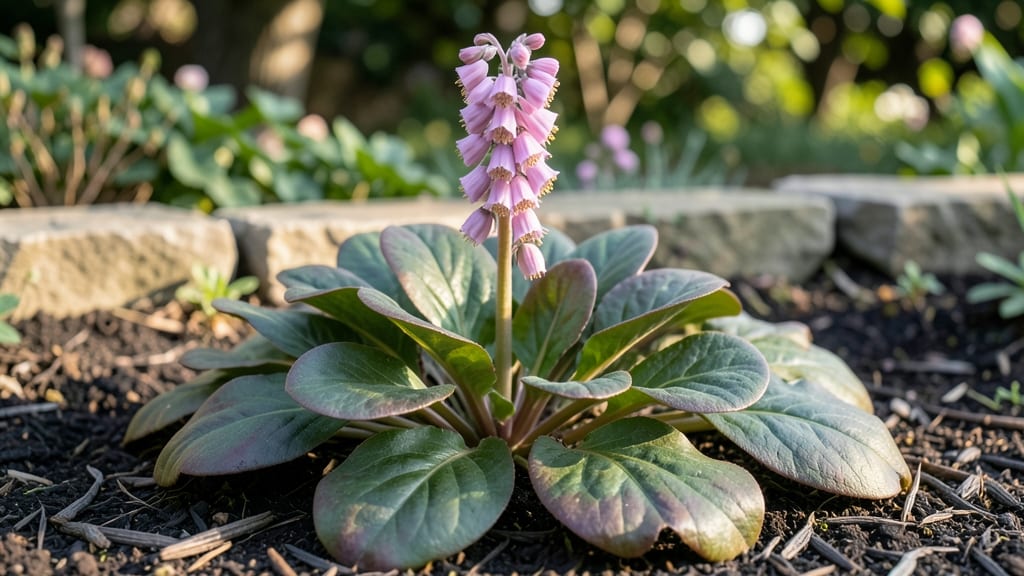
The bergenia plant care is a breeze once you discover their secret: these bold, evergreen showstoppers thrive even when everything else in the garden sleeps. 💚 I’ve grown them for five winters now, and they’ve never let me down—not even during the brutal 2023 deep freeze.
Their leathery leaves stay vibrant through snowfall, then burst into pink or white spring blooms that last for weeks.
The secret to their success is surprisingly simple: partial shade, well-draining soil, and occasional watering—no fuss, no drama. They’re the ultimate low-maintenance plant for gardeners who want color without the constant attention.
My bergenias grow in a spot where nothing else survives, yet they flourish like they’re on a permanent vacation in the tropics.
By summer, you’ll have a lush ground cover that crowds out weeds and stays tough as nails through droughts and heatwaves. The best part? They multiply effortlessly, giving you free plants to share with neighbors or expand your garden. Even my black thumb can’t kill these.
Whether you’re planting in a shady border, under trees, or along a north-facing foundation, bergenias adapt beautifully. Here’s how to keep them thriving through every season—no green thumb required.
📚 In This Guide
- What you need
- Instructions
- Tips and common mistakes
- Wrapping up and next steps
What you need
- ● Bergenia plants: Choose between Bergenia cordifolia, Bergenia crassifolia, or hybrids (3–5 plants for a full, lush look). Opt for nursery-grown plants with healthy, deep green foliage.
- ● Well-draining potting soil or garden soil: A mix of 50% topsoil, 30% compost, and 20% perlite or coarse sand (for pots). For in-ground planting, amend clay-heavy soil with 2–3 inches of organic matter (like peat moss or compost).
- ● Garden trowel or hand shovel: For digging holes (size: 2–3 times wider than the root ball, same depth).
- ○ Mulch (optional but recommended): 2–3 inches of shredded bark, pine needles, or straw to retain moisture and protect roots in winter.
- ● Watering can or hose with a gentle spray nozzle: Bergenia prefers consistent moisture but hates soggy roots.
- ○ Fertilizer (optional): A balanced, slow-release granular fertilizer (10-10-10) or organic options like composted manure or worm castings (apply in early spring).
- ● Sunlight: Partial to full shade (2–4 hours of direct sun daily). Avoid harsh afternoon sun in hot climates.
- ● Hardiness zone: Bergenia thrives in USDA Zones 3–8. It’s cold-hardy but may need winter protection in Zone 8 with heavy mulch.
- ● Spacing: Plant 12–18 inches apart (closer for edging, farther for ground cover).
- ● Drainage: Ensure no standing water—Bergenia hates waterlogged roots. Elevate pots or plant on a slight slope if needed.
Step-by-Step guide to bergenia plant care
Here's how to keep your cold-hardy bergenia thriving through seasons—with minimal fuss.
🌱 Step 1: Choose the Right Planting Location
Bergenia loves partial to full shade, especially in hotter climates. I always plant mine where they get morning sun and afternoon shade—this prevents leaf scorch while keeping foliage vibrant. The key is avoiding harsh afternoon rays that can bleach the leaves over time.
Check your site's moisture level first. Bergenia thrives in consistently moist but well-drained soil. If your soil drains poorly, amend with 2-3 inches of compost mixed into the top 6 inches of soil. You'll know you've got it right when water pools slightly but drains within 15-20 minutes after watering.
☀️ Step 2: Plant at the Correct Depth and Spacing
Dig a hole twice as wide as the root ball but only as deep as the container it came in. Bergenia roots spread horizontally, so don't bury the crown too deeply—keep it level with the surrounding soil. This prevents rot while encouraging strong growth from the base.
Space plants 18-24 inches apart to allow for their eventual spread. I like to plant in odd-numbered groupings (threes or fives) for natural-looking drifts. After placing the plant, backfill with native soil mixed with a handful of compost to encourage root establishment.
💧 Step 3: Water Deeply After Planting and Maintain Moisture
Water immediately after planting to settle the soil around roots. Give it a deep drink—1 gallon per plant—to encourage roots to grow downward. Over the first 2-3 weeks, keep soil consistently moist by watering when the top 1-2 inches feel dry.
Once established, bergenia is drought-tolerant but looks best with regular moisture. You'll see the difference: well-watered plants have deep purple-red foliage, while drought-stressed ones develop greenish-yellow leaves. In winter, reduce watering but never let soil dry completely—this prevents winter dieback.
✂️ Step 4: Prune for Year-Round Beauty
Remove spent flower stalks in early summer after blooms fade. Cut back to the first set of healthy leaves to encourage a second flush of flowers. This keeps your plant looking tidy without sacrificing future blooms. I always use clean, sharp pruners to avoid tearing leaves.
In early spring, trim any damaged or yellowing leaves back to the crown. This makes room for fresh growth and prevents disease. Never remove more than one-third of the foliage at once—bergenia stores energy in its leaves, and aggressive pruning can weaken the plant for the season.
🪴 Step 5: Mulch and Protect for Winter
Apply a 2-3 inch layer of organic mulch (like shredded bark or leaves) around the base in late fall. This insulates roots from temperature swings and retains moisture. I always pull mulch back 2 inches from the stem to prevent rot at the crown.
Bergenia handles winter beautifully, but in Zone 3 or colder, add a 4-6 inch layer of straw mulch for extra protection. You'll know it's working when the foliage stays crisp and upright through winter—no wilting or browning means your plant is happy and healthy.
Tips & tricks for perfect bergenia plant care
Here's what nobody tells you about keeping your bergenia thriving through every season—these are the details that make all the difference.
Soil Test First: Before amending your soil with compost as instructed in Step 1, run a simple soil test to check pH levels. Bergenia prefers slightly acidic to neutral soil (pH 6.0-7.0). If your soil tests higher, mix in a handful of peat moss with the 2-3 inches of compost to adjust the pH naturally. I learned this the hard way after seeing my bergenia's leaves turn yellow despite proper watering—turns out, my soil was too alkaline. The 15-20 minute drainage test is your first clue, but pH testing confirms the full picture.
Root Ball Inspection: When planting in Step 2, always inspect the root ball for any circling roots or signs of root-bound growth. Gently tease these out with your fingers before placing in the hole. This prevents future stress as the plant establishes. I also recommend soaking the root ball in water for 10-15 minutes before planting—this helps hydrate the roots immediately and reduces transplant shock. The key is keeping that crown level with the soil surface, but don't rush; take your time to get it just right.
Watering Technique: For that critical 1 gallon per plant deep watering in Step 3, use a slow watering method like a watering wand or soaker hose. This prevents soil compaction and ensures water penetrates deeply. I've seen many gardeners make the mistake of pouring water quickly, which can create surface runoff. After watering, check the soil 1-2 inches down—it should feel moist but not soggy. This consistent moisture is what gives bergenia its signature deep purple-red foliage.
Winter Protection Hack: In Step 5, when applying that 2-3 inch layer of organic mulch, consider adding a thin layer of burlap or frost cloth over the crown before the mulch if you're in Zone 3 or colder. This extra layer creates a microclimate that prevents frost heave—when soil freezes and thaws, it can push plants out of the ground. I've used this trick for years and never lost a bergenia to winter damage. The mulch still goes on top, but this fabric layer acts as an insurance policy for extreme cold snaps.
Pro Tips for Bergenia Plant Care
- Here's what nobody tells you about keeping your bergenia thriving through every season—these are the details that make all the difference.
- Soil Test First: Before amending your soil with compost as instructed in Step 1, run a simple soil test to check pH levels.
- Root Ball Inspection: When planting in Step 2, always inspect the root ball for any circling roots or signs of root-bound growth.
Frequently asked questions
Got questions about keeping your bergenia thriving? You’re not alone! Here are some of the most common queries—plus straightforward answers to help you grow this cold-hardy beauty with confidence.
How cold can bergenia tolerate, and does it need winter protection?
Bergenia is seriously tough—it thrives in USDA Zones 3-8 and can handle temperatures down to -30°F (-34°C)! In snowy winters, it’s usually fine uncovered. However, in dry, windy, or icy climates, a light mulch (2-3 inches) protects roots. Avoid heavy mulch, which can smother the plant.
Why are my bergenia leaves turning yellow or brown?
Yellowing leaves often signal overwatering or root rot—bergenia hates soggy soil. Brown edges in summer? It’s likely sunburn (too much direct sun) or drought stress. Adjust care: water only when the top 1-2 inches of soil are dry, and provide morning sun + afternoon shade in hot climates.
When is the best time to prune bergenia?
Prune late winter or early spring (just before new growth starts) to tidy up old foliage. Avoid cutting into leaf buds—they’re the plant’s energy source for the season! For a neater look, trim ragged leaves by 1/3 with clean pruners. Never prune in fall—it removes winter protection.
Can I grow bergenia in containers, and what’s the ideal pot size?
Bergenia does well in containers with well-draining soil and a pot at least 12 inches wide/deep (bigger = more stability). Use a fast-draining mix (add perlite or sand) and terracotta pots to prevent root rot. Place pots in partial shade and water when the topsoil dries out—containers dry faster than ground soil!
Are bergenia plants deer- or rabbit-resistant?
Good news! Bergenia is deer- and rabbit-resistant thanks to its leathery, bitter-tasting leaves. However, young seedlings or stressed plants might attract nibbles. For extra protection, apply a light deer repellent or plant near thorny companions like roses or barberries.
Will bergenia spread aggressively, or do I need to control it?
Bergenia spreads moderately via rhizomes—faster in ideal conditions (moist, rich soil). To control growth, divide clumps every 3-4 years in early spring. Simply dig up the plant, separate the sections, and replant. If left unchecked, it’ll form a lush ground cover over time!
Wrapping up and next steps
Caring for a bergenia plant is a rewarding experience—its stunning foliage and resilience make it a standout addition to any garden! With the right balance of sunlight, soil, and water, plus a little seasonal TLC, this cold-hardy beauty will thrive for years.
Whether you're a seasoned gardener or just starting out, bergenia is a forgiving and eye-catching choice that brings year-round interest.
Ready to level up your garden game? 🌱 Grab your gloves, pick a spot, and dive in—your bergenia will thank you with vibrant blooms and lush leaves! Check out our full planting guide to get started today.