
Planting
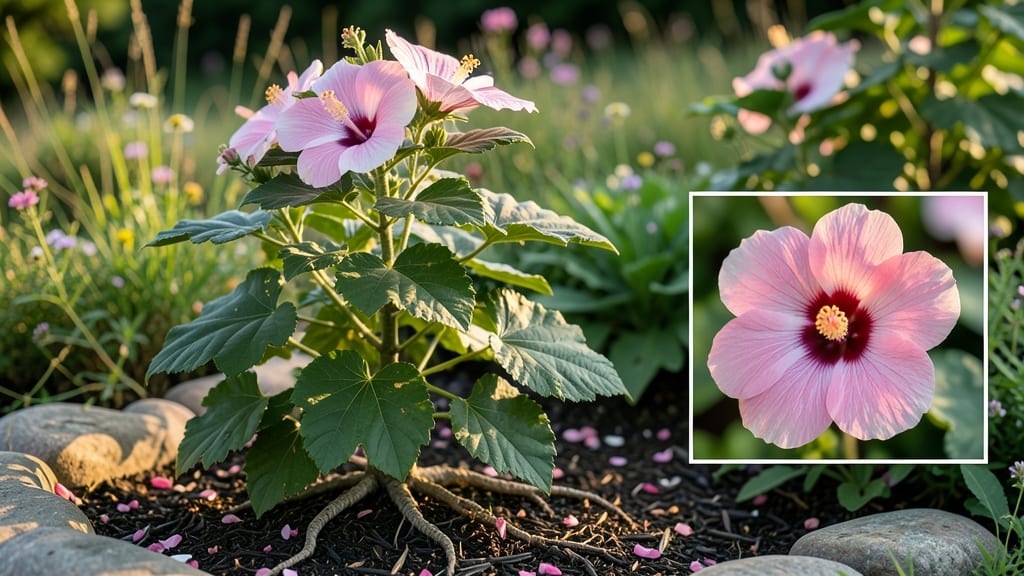
Perennial hibiscus can thrive in Zone 6 when planted with cold-hardy varieties like Hibiscus moscheutos (swamp hibiscus) or Hibiscus coccineus, which tolerate temperatures down to 0°F (-18°C) with proper winter care—mulching, pruning, and protective covering are essential for survival.
Growing perennial hibiscus in Zone 6 is absolutely doable if you choose the right species and prepare them for winter's chill. 🌿 The key lies in selecting hardy varieties that naturally withstand colder climates, like the swamp hibiscus, which boasts large, vibrant blooms that thrive even after frost.
Unlike tropical hibiscus, these cold-tolerant plants have adapted to survive freezing temperatures with minimal damage when given the right care.
What sets these varieties apart is their ability to enter dormancy during winter, conserving energy until spring. This natural process means they won't need constant attention—just a little help from you in the form of protective measures.
I've found that combining 3-4 inches of mulch around the base with a breathable frost blanket during the harshest months makes all the difference in keeping them alive through Zone 6 winters.
💡 In This Article
- Cold-Hardy Hibiscus Varieties for Zone 6 Climates
- Winter Care Tips for Zone 6 Perennial Hibiscus
Cold-hardy hibiscus varieties for Zone 6 climates
The secret to growing hibiscus in Zone 6 lies in selecting species that evolved to handle freezing temperatures. Hibiscus moscheutos (swamp hibiscus) stands out with its massive 6-10 inch flowers and ability to survive down to 0°F (-18°C).
Its deep root system stores energy during winter, while its thick stems resist freezing damage better than tropical varieties. 🌸 The plant's native range along North American wetlands means it's accustomed to seasonal temperature swings, including early frosts that kill tropical hibiscus instantly.
Another top performer is Hibiscus coccineus (scarlet rose mallow), which thrives in Zone 6 with its 4-6 inch crimson blooms. This variety handles -10°F (-23°C) when properly mulched, though its stems may blacken in extreme cold before regrowing in spring.
The key difference from tropical hibiscus is its woody base—unlike tropical species that die back to the ground, these perennials develop a sturdy root crown that survives winter's freeze-thaw cycles. Their leaves also drop naturally in fall, reducing moisture loss during dormancy.
For those wanting a more compact option, Hibiscus syriacus (rose of Sharon) reaches 6-10 feet tall but tolerates -20°F (-29°C) with minimal protection. Its smaller 3-5 inch flowers come in shades beyond red, including pink and white. The real advantage?
This variety blooms on both old and new wood, meaning even if winter pruning removes last year's stems, you'll still get summer flowers from fresh growth. This adaptability makes it the most forgiving choice for Zone 6 gardeners.
What these varieties share is a dormancy mechanism triggered by shorter daylight and cooler temps. Their cells produce protective proteins that prevent ice crystal formation, while starches stored in roots fuel regrowth when temperatures rise.
Tropical hibiscus lack this adaptation—their cells freeze at 32°F (0°C)—which is why they require overwintering indoors or as annuals in colder zones. The cold-hardy species essentially "shut down" for winter, conserving energy until spring's warmth signals new growth. 🌱
When choosing, consider your site's moisture levels: swamp hibiscus thrives in wet soils, while rose of Sharon prefers well-drained spots. All three varieties benefit from full sun (6+ hours daily), but their root structures differ—swamp hibiscus spreads aggressively via rhizomes, while rose of Sharon grows more upright.
This means placement matters: group swamp hibiscus near ponds or low spots, while rose of Sharon works well as a specimen plant in borders.
One common misconception is that all hibiscus need tropical climates. The cold-hardy varieties prove otherwise—their survival hinges on three biological adaptations: energy storage in roots, woody stem structure, and controlled dormancy.
These traits, combined with proper winter care, allow them to outperform tropical cousins in Zone 6's challenging winters. The result? Stunning summer blooms that return year after year with minimal effort. 🌿