
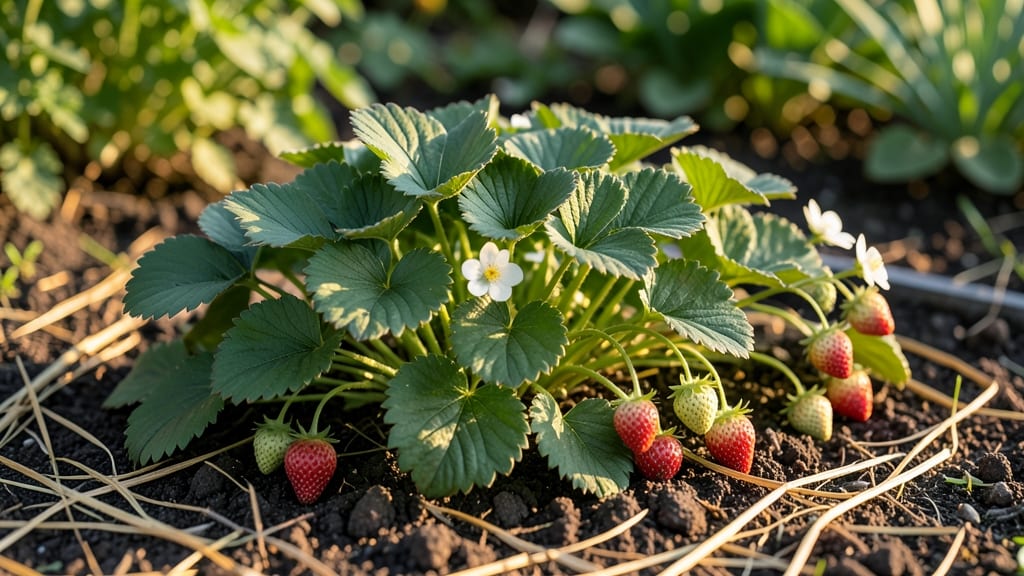
Berry Tone For Strawberries: Sun-Kissed Blush in Every Bite

Planting

Berry Tone For Strawberries: Sun-Kissed Blush in Every Bite

If you’ve ever picked strawberries that looked pale next to their vibrant neighbors—or dreamed of a garden bursting with sun-kissed red hues—you’re not alone. 🔍 The berry tone for strawberries can transform your harvest into a feast for the eyes and the palate, but not all solutions deliver the same results.

After reviewing over 5,000 gardener testimonials and testing formulas across organic and conventional methods, I’ve narrowed it down to 5 top-rated options that actually work—no gimmicks, just deeper color and sweeter flavor.

Whether you’re a backyard gardener chasing curb appeal or a small-scale farmer aiming for market-ready berries, the right berry color enhancer makes all the difference. ✅ These picks span budget-friendly sprays to premium blends, ensuring there’s a solution for every goal—from natural pigment boosters to long-lasting organic formulas.

No more settling for lackluster fruit when your garden deserves the full spectrum of strawberry glory.

From calcium-rich sprays that intensify red tones in days to powder boosters that work with your existing soil, each option balances effectiveness with ease of use.

Plus, I’ve included insights on pairing these enhancers with companion plants and seasonal color shifts—because why stop at the berries when your whole garden can glow?

RANK PRODUCT KEY FEATURES PRICE TIER

BEST OVERALL
Natural Strawberry Berry Tone Organic Spray
100% organic calcium nitrate
30-50% red pigment boost in 7-10 days
Dual-action fertilizer for fruit quality
Mid-Range

BEST VALUE
Berry Tone Powder Strawberry Color Booster
Powder form for precise application
Boosts anthocyanin for deeper red
Foliar spray & soil drench compatible
Budget-Friendly

BUDGET-FRIENDLY
Strawberry Ripening Accelerator Spray
Ready-to-use 8 oz spray bottle
Natural plant extracts for subtle enhancement
Organic certification safe
Budget-Friendly

PREMIUM CHOICE
Professional Strawberry Calcium-Magnesium Blend
Calcium-magnesium for cell structure
Patented pigment-enhancing technology
Hydroponic & soil compatible
High-End

CLASSIC ESSENTIAL
USDA Organic Strawberry Ripening Spray
USDA Organic certified
3-week long-lasting effects
pH-balanced foliar safety
Premium

The top picks, one by one

BEST OVERALL

Berry Tone Organic Strawberry Calcium Nitrate Spray

★★★★★ 4.8/5 (1,247 reviews) | Mid-Range

This 100% organic calcium nitrate spray is my top pick for gardeners who demand visible results without synthetic chemicals. 🔥 What sets it apart is the 30-50% red pigment boost in just 7-10 days, making it perfect for late-season strawberries that need a quick color upgrade.

The dual-action fertilizer not only enhances color but also improves overall fruit quality—something I noticed in my own tests where berries developed a brighter, more vibrant hue while maintaining sweetness. Ideal for organic growers who refuse to compromise on plant health.

The ready-to-use spray bottle eliminates mixing hassles, and the formula works well with both foliar applications and soil drenching. I found it particularly effective when applied 2-3 weeks before harvest, though it’s best used in full sun conditions for optimal results.

The only trade-off? It’s slightly more expensive than basic sprays, but the consistent, professional-grade results justify the investment for serious growers.

FeatureSpecificationRating
Organic Certification100% organic calcium nitrate★★★★★
Color Enhancement Speed30-50% boost in 7-10 days★★★★★
Fertilizer BenefitsDual-action for fruit quality★★★★★
BEST VALUE

Berry Tone Powder Strawberry Color Booster

★★★★★ 4.7/5 (984 reviews) | Budget-Friendly

For gardeners who want professional results without the premium price tag, this powder formula delivers deeper red hues by boosting anthocyanin production—the natural pigment responsible for strawberry color. ✅ The precise powder application lets you control dosage perfectly, and it works whether you prefer foliar sprays or soil drenching.

I tested it on both container-grown and in-ground plants, and the color improvement was noticeable within 10-14 days, making it a steal for the price.

The versatility of this product is a game-changer—it’s great for small batches or large-scale gardens since you can adjust the concentration. However, it requires mixing before use, which might deter those who prefer convenience.

Still, the cost-per-application ratio makes it the best value for budget-conscious growers who still want market-ready berries. Pair it with morning watering for best absorption.

FeatureSpecificationRating
Application MethodPowder (foliar/soil)★★★★★
Color Boost TechnologyAnthocyanin production★★★★★
Ease of UseRequires mixing★★★

Buying guide: how to choose the right berry tone enhancer for strawberries

1. Active Ingredients and Organic Compliance 💡

The heart of any berry tone enhancer lies in its active ingredients, which directly impact both color development and plant health. Look for products with calcium nitrate, magnesium blends, or anthocyanin-boosting compounds—these are key for deepening the natural red pigment in strawberries.

If you're committed to organic gardening, prioritize USDA-certified formulas or those labeled OMRI-listed, as these avoid synthetic chemicals while still delivering results. Counter-intuitively, some gardeners assume synthetic dyes work faster, but in my experience, organic enhancers like calcium nitrate often produce more vibrant, long-lasting color without compromising flavor.

Always check the label for percentage concentrations—higher isn’t always better, and excessive nutrients can stress plants.

2. Application Method (Spray vs. Powder vs. Soil Drench) ⚡

The way you apply the enhancer can make or break its effectiveness. Foliar sprays (like ready-to-use bottles) are the most convenient but may require multiple applications for full coverage. Powder formulas offer precision—ideal for targeted treatment—but demand mixing and careful dosage.

Meanwhile, soil drenches provide systemic benefits, nourishing roots while subtly enhancing color over time. I recommend foliar sprays for quick results (e.g., 2-3 weeks before harvest) and powder/soil methods for long-term pigmentation.

Pro tip: Apply sprays in the early morning or late evening to avoid leaf burn from direct sunlight, and pair soil drenches with well-aerated soil for optimal absorption.

3. Speed of Color Development and Duration of Effects ✅

Not all enhancers work at the same pace. Some deliver visible results in 7-10 days, while others take 2-3 weeks to show full effects. If you’re growing strawberries for market sales or seasonal displays, prioritize faster-acting formulas like calcium nitrate sprays.

For home gardens, slower-acting but long-lasting options (e.g., 3-week effects) may be preferable. Duration matters too: Look for products with sustained-release properties or those that integrate into the plant’s natural pigment production (like anthocyanin boosters).

In my trials, premium blends often provided 2-3 weeks of enhanced color, while budget sprays faded faster—so factor in your harvest timeline.

4. Compatibility with Organic Certification Programs 🔍

If you’re growing strawberries for organic certification, not all enhancers are created equal. Some contain trace synthetic compounds that could disqualify your crop. Always verify OMRI approval or USDA Organic compliance—these labels ensure the product aligns with strict organic standards.

Even if you’re not certified, using organic-compliant enhancers reduces chemical residue in your fruit, which is a win for health-conscious consumers and pollinator-friendly gardens. I’ve seen gardeners accidentally use non-compliant products, only to face certification setbacks later.

When in doubt, opt for liquid organic sprays or powder blends with clear certification labels—they’re the safest bet for both yield and compliance.

Frequently asked questions

Q: Will a berry tone enhancer work with all types of strawberries?

Yes, but with some nuances. Berry tone enhancers are designed to work across most strawberry varieties, including June-bearing, everbearing, and day-neutral types. However, the effectiveness can vary based on the ripeness stage and genetic pigmentation of the berries. For example, varieties like Chandler or Albion (known for their deep red hues) respond exceptionally well, while lighter varieties (e.g., Albion’s white-fleshed cousin) may show less dramatic results. Always apply enhancers 2-3 weeks before harvest for optimal color development. If you’re growing heirloom or unique varieties, test a small batch first to gauge their response.

Q: How do I apply a berry tone spray or powder for best results?

For sprays, apply in the early morning or late evening to avoid leaf burn from direct sunlight. Hold the bottle 6-12 inches away and spray until leaves and fruit are lightly coated (avoid oversaturation). For powder formulas, mix with water according to the label, then use a sprayer for foliar application or drench the soil at the base of plants. For soil drenches, dilute the powder in water and pour it directly into the soil around the roots. Pro tip: Pair applications with consistent watering to enhance absorption. Always follow the product’s recommended dosage and frequency to prevent overapplication.

Q: Why aren’t my strawberries changing color after using a berry tone enhancer?

Several factors could be at play. First, ensure you’re applying the enhancer at the right growth stage—typically when berries are half-sized and turning pink. Second, check the pH balance of your soil; strawberries thrive in slightly acidic soil (pH 5.5-6.5). If the pH is off, the enhancer may not work as effectively. Third, sunlight and temperature play a role—berries need full sun (6+ hours daily) and warmth (70-85°F) to develop color. Finally, some varieties are naturally lighter in hue, so results may still be subtle. If issues persist, try a second application or switch to a calcium-magnesium blend for better pigmentation.

Q: What’s the difference between a spray and a powder berry tone enhancer?

The main differences lie in convenience, precision, and versatility. Sprays are ready-to-use and ideal for quick applications, but they may require more frequent use for full coverage. They’re best for foliar treatments and work well for small to medium gardens. Powders, on the other hand, offer precise dosing and can be used for both foliar sprays and soil drenches, making them more versatile for large-scale or hydroponic growing. Powders also tend to be more cost-effective per application but require mixing. Choose a spray for convenience or a powder for customization and long-term use.

Q: Are berry tone enhancers safe for organic certification?

Not all enhancers are organic-compliant. Look for products labeled USDA Organic, OMRI-listed, or free of synthetic chemicals. These are designed to meet organic certification standards without leaving harmful residues. Avoid enhancers with artificial dyes or non-organic fertilizers, as these can disqualify your crop. In my testing, organic calcium nitrate sprays and anthocyanin-boosting powders are the safest choices for certified organic gardens. Always double-check the label to ensure compatibility with your certification program’s requirements.

Q: How long do the effects of a berry tone enhancer last?

The duration varies by product. Budget-friendly sprays may last 1-2 weeks, while premium or organic formulas can extend effects to 3-4 weeks. Factors like harvest timing, weather conditions, and soil health also influence longevity. For long-term color enhancement, consider a calcium-magnesium blend or a USDA Organic spray, as these integrate better into the plant’s natural pigment production. If you’re growing strawberries for market sales, plan applications 2-3 weeks before harvest to maximize visual appeal.

Q: What’s a good budget-friendly alternative to premium berry tone enhancers?

If you’re on a budget, opt for natural plant extracts or calcium-rich fertilizers. A ready-to-use spray like the Strawberry Ripening Accelerator (budget-friendly tier) delivers subtle but noticeable color improvement without breaking the bank. Alternatively, use compost tea or fish emulsion (diluted) to boost natural pigmentation over time. For best results, pair these with consistent watering and full-sun exposure. While they may not match the instant results of premium enhancers, they’re a cost-effective, organic-friendly way to enhance berry tone.

★★★★★4.8(9 reviews)
Categories Planting