
Planting
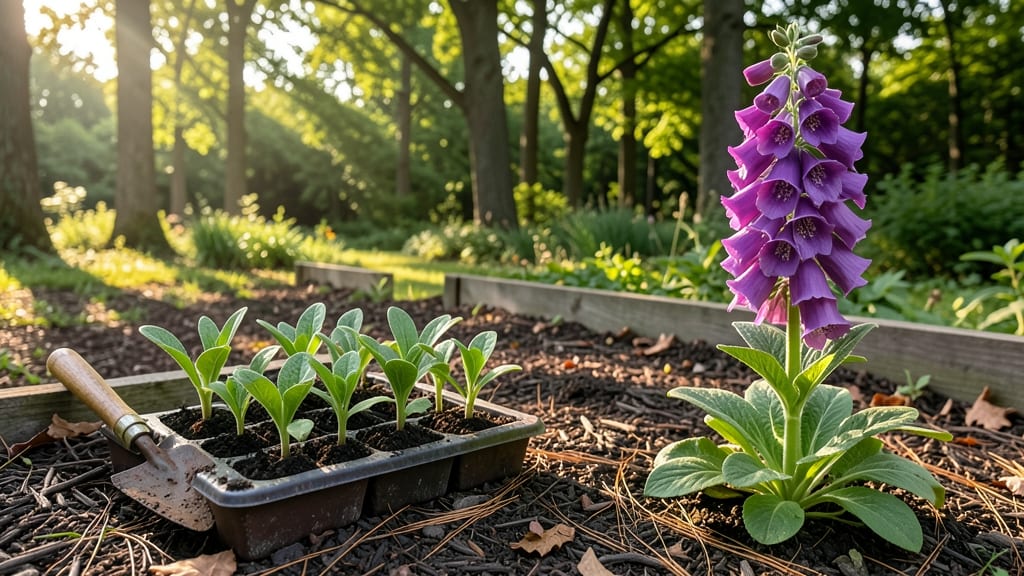
The best place to plant foxgloves is where they get morning sun and afternoon shade—just like their wild European meadows. 🌿 I planted mine under a mature maple tree where the light filters through, and they’ve grown taller and more dramatic than any in full sun.
The key is replicating their natural habitat: partial shade, rich soil, and protection from harsh afternoon rays. The soil should be well-draining but moisture-retentive, almost like a damp forest floor. Amend heavy clay with compost or sand if needed, and avoid soggy spots—their roots hate wet feet.
Spacing matters too: give them 12–18 inches apart so they don’t crowd, and their spires can reach their full 3–5 foot height without competing. Once established, foxgloves reward you with tall, velvety spikes of bell-shaped flowers in pink, purple, or white, blooming from mid-summer into fall.
The scent is subtle but intoxicating, and hummingbirds adore them. Just watch for slugs—they’re a favorite snack in damp conditions. For best results, plant in spring or early fall when the soil is cool, and pair them with ferns, hostas, or columbines for a woodland-style garden.
Avoid full sun or dry spots—they’ll bolt or flop without the right conditions. Your garden will thank you for giving them their ideal home.
📚 In This Guide
- What you need
- Instructions
- Tips and common mistakes
- Wrapping up and next steps
What you need
- ● Foxglove plants: Seeds: 10–20 seeds (start indoors 8–10 weeks before last frost)
- ● OR Seedlings/transplants: 3–5 healthy plants (purchased from nurseries or garden centers)
- ● Well-draining soil: Mix of 50% garden soil, 30% compost, and 20% perlite/sand (foxgloves hate soggy roots!)
- ● Fertilizer: Balanced 10-10-10 or 5-10-10 (low-phosphorus to prevent leggy growth)
- ● Tools: Trowel or hand shovel (for digging)
- ● Garden gloves (to protect from mildly toxic sap)
- ● Watering can or hose with a gentle spray nozzle
- ● Measuring tape (to space plants 12–18 inches apart)
- ○ Support (optional but recommended): Stakes or trellis (for tall varieties like Digitalis grandiflora)
- ● Twine or soft plant ties (to secure stems)
- ● Mulch (2–3 inches of shredded bark or straw to retain moisture)
- ● Slow-release fertilizer granules (sprinkle at planting time)
- ● Compost tea (for a nutrient boost in poor soil)
- ● Plant markers (to label varieties if testing multiple types)
How to choose the perfect spot for foxgloves
This is where foxgloves truly shine—let’s find that ideal sun-dappled location.
🌿 Step 1: Identify the Right Light Conditions
Foxgloves thrive in partial shade with 3-6 hours of morning sun and filtered afternoon light. Avoid deep shade—plants will stretch and produce fewer blooms. The best spots receive dappled sunlight, like under tall deciduous trees or along a north-facing wall.
Watch for leaf scorch—if leaves turn yellow or crispy, the area gets too much hot afternoon sun. Foxgloves tolerate light shade better than full sun, but they still need some brightness to flower well. I always test a spot for a week first by observing how nearby plants grow.
☀️ Step 2: Assess Soil Moisture and Drainage
Foxgloves love well-draining, moisture-retentive soil with a slightly alkaline pH (6.5-7.5). They hate soggy roots, so avoid low-lying areas where water pools. If your soil drains poorly, amend it with compost or leaf mold to improve structure without compacting.
Dig a small hole and fill it with water—if it drains within 10-15 minutes, the spot is perfect. If water lingers, raise the planting area with a mound of soil or choose a different location. Foxgloves also appreciate organic matter in the soil, so mix in a handful of well-rotted compost before planting.
🪴 Step 3: Choose the Right Location for Height and Support
Foxgloves grow 2-5 feet tall, making them perfect for back borders, woodland gardens, or near patios. Plant them where their dramatic spikes won’t be hidden—near pathways or seating areas lets you enjoy their bell-shaped blooms up close.
They self-seed prolifically, so avoid planting near delicate perennials that might get crowded out. A slightly sheltered spot (like near a fence or hedge) protects them from strong winds, which can snap their tall stems. I often group them with ferns, hostas, or astilbes for a lush, layered look.
⏰ Step 4: Time Your Planting for Optimal Growth
Plant foxgloves in early spring or fall when soil temperatures are 50-60°F. Spring planting gives them time to establish roots before summer heat, while fall planting lets them settle in before winter dormancy. Avoid planting in mid-summer heat—transplants struggle to adapt.
If planting from seed, sow in late summer—foxglove seeds need cold stratification (a winter chill) to germinate. Young plants grow slowly, so give them 18-24 inches of space to mature without competition. Mulch lightly with wood chips or straw to retain moisture and suppress weeds.
🌱 Step 5: Monitor and Adjust for Long-Term Success
After planting, check the spot weekly for signs of stress—wilting leaves mean too much sun, while moldy stems signal poor drainage. Foxgloves are perennial, but they may decline after 3-4 years. When this happens, dig up and divide the clumps in early spring to rejuvenate growth.
Deadhead spent blooms to encourage a second flush of flowers, but leave some seed pods for wildlife. If your foxgloves struggle, they might need more shade or richer soil. I’ve found that moving them just a few feet can make all the difference—sometimes the perfect spot is right next to where you first thought to plant them!
Tips & tricks for perfect foxglove planting spots
These game-changing insights will help you transform any garden corner into a foxglove paradise—where every plant thrives and blooms dramatically.
Light Balance Secret: The 3-6 hours of morning sun is non-negotiable for foxgloves, but here's the trick: position them where they receive the sun's gentlest rays. I've found that planting near a north-facing wall or under deciduous trees creates that perfect dappled light effect. Watch for the telltale pattern where sunlight filters through leaves—this is your foxglove's sweet spot. The filtered afternoon light prevents leaf scorch while still providing enough energy for those stunning vertical blooms.
Soil Test Hack: That 10-15 minute drainage test is your golden rule, but here's what I do differently: after pouring water into the hole, I use a skewer to poke the soil at the bottom. If water seeps through within 30 seconds, you're golden. If not, you've got your answer before the full 15 minutes passes. For alkaline soil lovers, I add a handful of crushed eggshells to the planting hole—it's a natural pH booster that works wonders for foxgloves.
Height Strategy: When planning your 2-5 foot vertical drama, think about the "foxglove triangle" I use: place them at the back of borders, with shorter perennials in front and taller shrubs behind. This creates a natural staircase effect where each plant's height enhances the others. Pro tip: group odd numbers of foxgloves (3, 5, or 7 plants) together—they'll lean slightly toward each other, creating that lush, natural clump that makes them look like they've been there forever.
Seasonal Timing: The 50-60°F soil temperature window is your planting sweet spot, but here's the real secret: I always check soil temperature with a simple meat thermometer (yes, really!). The moment it hits 55°F consistently is my go signal for spring planting. For fall, aim for 60°F—any cooler and the plants won't establish roots before winter. And that late summer seed sowing? I mark my calendar for the autumnal equinox—nature's perfect cue for foxglove seeds to begin their cold stratification process.
Pro Tips for Best Place To Plant Foxgloves
- These game-changing insights will help you transform any garden corner into a foxglove paradise—where every plant thr...
- Light Balance Secret: The 3-6 hours of morning sun is non-negotiable for foxgloves, but here's the trick: position th...
- Soil Test Hack: That 10-15 minute drainage test is your golden rule, but here's what I do differently: after pouring ...
Frequently asked questions
about planting foxgloves—because even the best gardeners need a little guidance! Here are answers to common questions to help you grow these show-stopping beauties with confidence.Where is the worst place to plant foxgloves?
Foxgloves hate harsh, direct sunlight or soggy, waterlogged soil. Avoid:
- South-facing walls or fences (unless shaded by trees).
- Low-lying areas where water pools after rain.
- Containers with poor drainage (they rot easily!).
How long does it take for foxgloves to bloom after planting?
Patience is key! If you plant seeds, expect blooms in 12–18 months—they’re slow starters. For potted plants, you’ll see flowers in 6–8 weeks (or the following spring). Pro tip: Deadhead spent blooms to encourage a second flush of flowers!
Can I plant foxgloves in my lawn or near other perennials?
Yes, but with strategy! Foxgloves thrive in mixed borders with:
- Hostas (shade-loving companions).
- Ferns or astilbes (for texture contrast).
- Rudbeckias (for sunny edges).
Why aren’t my foxgloves blooming this year?
Don’t panic! Common culprits include:
- Too much sun: Leaves scorch, and buds fail to open.
- Over-fertilizing: Foxgloves prefer lean soil—too many nutrients = fewer flowers.
- Stress: Transplant shock or drought can delay blooms.
Are there foxglove alternatives for full-shade gardens?
If your garden is too shady for foxgloves, try these low-light lovers:
- Bleeding heart (Dicentra spectabilis): Delicate, heart-shaped flowers.
- Hellebores (Lenten rose): Early blooms in deep shade.
- Japanese anemones: Tall, airy blooms for vertical drama.
Wrapping up and next steps
Choosing the perfect spot for your foxgloves is all about balance—sun-dappled locations with well-draining soil will reward you with towering beauty and effortless growth.
Whether you’re adding them to borders, cottage gardens, or woodland edges, these striking plants thrive where they’re not overwhelmed by harsh sun or waterlogged roots. With the right placement, you’ll enjoy their dramatic blooms for years—so grab those seeds or seedlings and get planting! 🌿✨
Next step: Mark your ideal sun-dappled patches, prep the soil, and watch your garden transform into a foxglove paradise!