
Planting
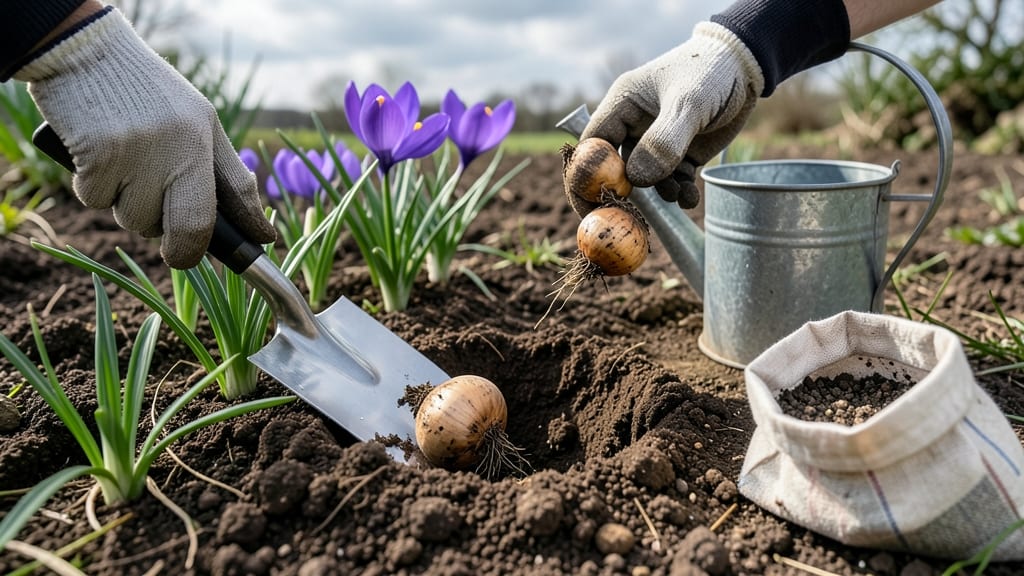
Planting crocus bulbs at the best time guarantees those cheerful purple, white, and yellow blooms will punch through snow and greet spring.
Want vibrant 🌷 crocuses to burst through snow and announce spring? Timing your planting is everything—plant too early, and they’ll rot; too late, and you’ll miss their hardy charm.
For USDA Zone 6a and similar climates, the ideal window is September through November, when soil cools but hasn’t frozen solid. This 6-week window lets bulbs root before winter dormancy kicks in.
Below, I’ll break down the exact soil prep, depth, and regional tweaks—plus the one mistake that kills more crocus than anything else.

When to plant crocus bulbs for optimal spring blooms
Crocus bulbs are among the most reliable spring bloomers, but their success hinges on precise planting timing.
These hardy flowers need a cooling period to trigger blooming, which means planting too early or late can ruin your chances of seeing those cheerful purple, white, or yellow blooms peeking through snow or early spring soil.
The ideal window for planting crocus bulbs is 6-8 weeks before your region's first hard frost. This timing ensures bulbs establish roots before winter dormancy begins. In most of the U.S., that means September through mid-November, but exact dates vary by USDA hardiness zone and local climate patterns.
Here’s the science-backed breakdown of when to plant crocus bulbs across USDA zones 3-9, including soil temperature thresholds and frost alignment:
| USDA Zone | Best Planting Window | Soil Temp Threshold | Frost Alignment | Notes |
|---|---|---|---|---|
| 3-4 | Mid-August to early October | 50-60°F (10-15°C) | 6-8 weeks before first hard frost | Plant early—cold climates freeze sooner |
| 5-6 | Late September to mid-November | 50-60°F (10-15°C) | 4-6 weeks before first frost | Flexible window; avoid soggy soil |
| 7-8 | October to early December | 55-65°F (13-18°C) | 3-5 weeks before frost | Warmer zones tolerate later planting |
| 9 | November to early January | 60-70°F (15-21°C) | Plant anytime before spring growth | Mild winters allow extended planting |
Soil temperature is the critical factor for crocus bulb success. These bulbs require cooler temperatures (50-65°F or 10-18°C) to initiate root growth and dormancy cycles. Planting when soil temps drop below 50°F (10°C) risks bulb rot, while waiting too long delays root establishment.
Aligning with frost cycles ensures bulbs have time to root before winter. In USDA zones 3-5, aim to plant by mid-October—any later, and frost may damage tender roots.
Zones 6-9 offer more flexibility, with November or even December planting possible in milder areas like Southern California or Florida.
Regional adjustments are key. For example, New England gardeners (zone 4) should plant by early October, while Pacific Northwest growers (zone 7) can extend planting until mid-November. Always check your local frost dates—the Old Farmer’s Almanac is a reliable resource.
Pro tip: If your area experiences early frosts, opt for early September planting to maximize root growth. Conversely, in warmer zones (8-9), planting in November or December mimics natural winter conditions and prevents premature sprouting.
For container gardening, timing shifts slightly. Plant 4-6 weeks earlier than in-ground bulbs since pots cool faster. Use well-draining containers and place them in sheltered spots to protect roots from extreme cold.
Remember, crocus bulbs are perennials—once planted correctly, they’ll return year after year. The right timing now sets the stage for decades of spring color with minimal effort. Happy planting!
How to prepare soil and plant crocus bulbs like a pro
Crocus bulbs thrive when planted in well-draining soil with a slightly rocky texture. Their native habitats in rocky Mediterranean slopes give them clues about their preferences—never plant them in heavy clay or waterlogged soil.
Amend your garden beds with coarse sand or perlite if your soil feels dense when squeezed. This mimics their natural environment and prevents root rot, the #1 killer of crocus bulbs.
Before planting, test your soil’s drainage capacity with a simple DIY test: Dig a 6-inch hole, fill it with water, and time how long it takes to drain. If water lingers for more than 30 minutes, your soil needs amending.
Crocus bulbs prefer neutral to slightly alkaline soil (pH 6.5–7.5), but they’re forgiving if your soil leans acidic. A light application of lime can adjust pH if needed.
Crocus bulbs need 6–8 weeks of cool soil temps (40–50°F) before winter to establish roots. Planting after the first frost or in warm soil causes bulbs to sprout prematurely, leading to frost damage. In USDA zones 3–5, aim for late September to mid-October. Zones 6–9 can plant until November, but avoid planting when soil temps rise above 60°F.
🌱 Pro Tip: Use a soil thermometer to check temps—50°F is ideal for planting.
When planting, position bulbs 3–4 inches deep and 3–4 inches apart. Their small size makes them easy to overcrowd—resist the urge to plant them closer! Use a hand trowel to create holes just slightly larger than the bulb.
Place the bulb with its pointy end facing up (the roots will grow downward naturally). If you’re unsure which end is up, plant them sideways—they’ll correct themselves over time.
For optimal blooms, pair crocus bulbs with companion plants that share their low-growing, sun-loving habits. Try heuchera (coral bells), ajuga (bugleweed), or early spring epimedium.
These plants provide ground cover while crocuses are dormant and reduce weed competition once blooms appear. Avoid planting near aggressive spreaders like mint, which can smother crocus growth.
After planting, water deeply but infrequently—crocus bulbs store moisture in their own tissues and don’t need regular watering once established. A light soak every 2–3 weeks in fall and monthly in winter (if there’s no snow cover) keeps them happy.
Mulch with 2–3 inches of straw or shredded leaves to insulate bulbs from freeze-thaw cycles, which can damage tender roots.
Finally, label your planting area—crocus bulbs multiply underground, and their naturalizing habit means they’ll spread over time. Mark spots with biodegradable plant tags or a simple garden twine loop. This helps you avoid disturbing them when other spring plants emerge.
With the right soil prep and planting technique, your crocuses will reward you with cheerful blooms year after year, often pushing through snow for an early spring surprise! 🌷