
Planting
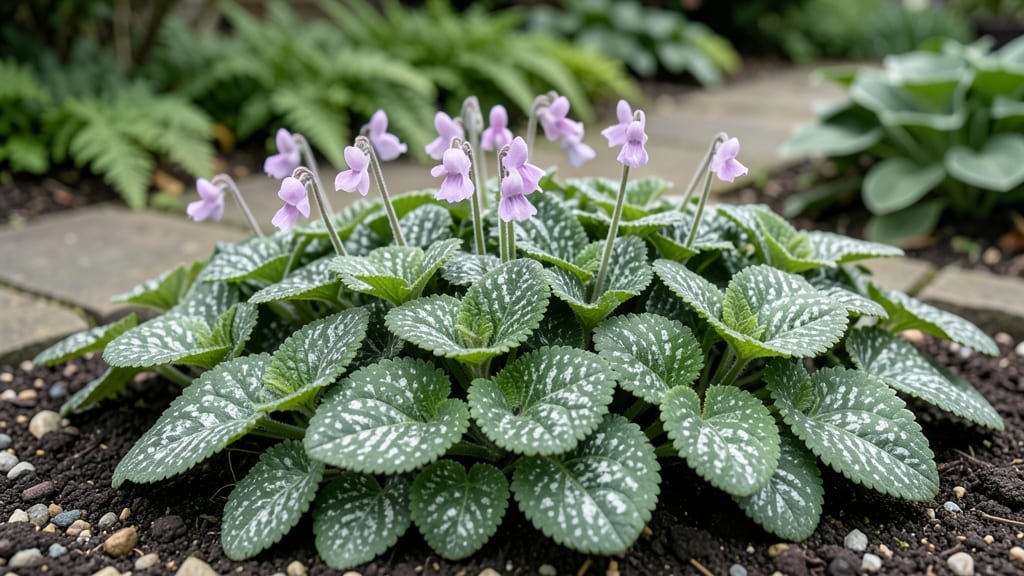
The ground cover lamium plant transforms shady spots into lush, year-round carpets. 🌿 I’ve used it to replace mulch under trees—it spreads fast, stays green through winter, and blooms in soft pinks and purples when others fade. The key?
Planting in the right light and soil sets it up for success, and I’ll show you exactly how. This shade-loving plant thrives where nothing else will, from deep woodland gardens to north-facing borders.
You’ll need well-draining soil (even if it’s heavy clay), consistent moisture, and a little patience—it spreads aggressively but stays contained if you give it space. My patch fills 3-foot gaps in just one season, and it outcompetes weeds without chemicals.
Once established, lamium needs almost no care: trim back in early spring, divide clumps every 2-3 years, and watch it bounce back from drought or foot traffic. The flowers attract pollinators, and the foliage stays vibrant even when snow blankets other plants.
Perfect for problem areas: under trees, along foundations, or as a living mulch. Here’s how to make it work for your garden—no green thumb required.
📚 In This Guide
- What you need
- Instructions
- Tips and common mistakes
- Wrapping up and next steps
What you need
- ● Lamium plants: Choose Lamium galeobdolon (Yellow Archangel) or Lamium maculatum (Spotted Dead Nettle) for best results. Purchase 10–15 plants per 100 sq. ft. for full coverage.
- ● Well-draining potting mix: 2–3 cubic feet of a blend designed for shade-loving perennials (e.g., 60% peat moss, 30% compost, 10% perlite).
- ● Mulch: 2–3 inches of organic mulch (shredded bark or pine needles) to retain moisture and suppress weeds.
- ● Garden gloves: A pair of nitrile-coated gloves (size medium/large) for handling soil and plants comfortably.
- ● Watering can or hose: A 1–2 gallon watering can with a rose attachment for gentle watering, or a hose with a soft spray nozzle.
- ● Pruners: Bypass pruners (sharp, clean, and sterilized with rubbing alcohol) for trimming.
- ● Garden trowel: For digging small holes (6–8 inches deep) if transplanting bare-root plants.
- ● Soil pH tester: To ensure your soil is slightly acidic to neutral (pH 6.0–7.0), ideal for Lamium.
- ● Fertilizer: A balanced, slow-release fertilizer (10-10-10 or 5-10-5) applied once in early spring.
- ● Edging tool: To create clean borders if planting in defined areas.
- ● Plant markers: Biodegradable labels to track varieties (especially useful if mixing colors!).
- ● A shady to partially shady location (dappled sunlight to full shade; avoid harsh afternoon sun).
- ● Well-draining soil (Lamium hates soggy roots—amend clay soil with compost!).
- ● 6+ hours of indirect light per day for optimal growth (lower light = slower spread).
- ● Patience! Lamium spreads slowly at first but becomes dense over 1–2 seasons.
How to plant and maintain lamium ground cover for lush, year-round color
This shade-loving beauty spreads effortlessly—here's how to create a vibrant, low-maintenance carpet that thrives where other plants struggle.
🌱 Step 1: Prepare Your Shady Planting Site
Lamium thrives in partial to full shade, so choose a spot that gets 2-6 hours of morning sun at most. Clear away weeds and loosen the top 6 inches of soil—lamium's shallow roots need good contact with the earth. If your soil drains poorly, mix in 1 inch of compost to improve aeration without altering the natural moisture.
Here's the thing—lamium hates competition. Remove any aggressive groundcovers or weeds within a 3-foot radius of your planting area. I like to work in small sections (about 2 feet by 2 feet) to keep the soil work manageable, especially in larger shade gardens.
🪴 Step 2: Plant Lamium in a Sprawling Pattern
Lamium spreads aggressively, so plant 4-6 plants per square foot for full coverage. Space them 6-8 inches apart in rows 12 inches apart—this creates a natural checkerboard pattern that fills in beautifully over time. Dig holes just deep enough to accommodate the root ball without burying the crown.
Gently tease the roots apart if they're tightly bound, then place each plant so the top of the root ball sits ½ inch below soil level. This ensures good root-to-soil contact while preventing crown rot. Water immediately after planting to settle the soil around the roots—you'll see the soil surface firm up slightly as you water.
💧 Step 3: Water and Mulch for Consistent Moisture
Keep the soil evenly moist for the first 2-3 weeks—lamium establishes best when the root zone stays damp but not soggy. Water deeply 2-3 times per week until new growth appears, then reduce to 1-2 times weekly depending on rainfall. You'll know moisture is right when the top inch of soil feels damp to the touch.
Spread 2-3 inches of mulch (like shredded bark or pine needles) around each plant, keeping it 2 inches away from stems to prevent rot. Mulch conserves moisture and keeps roots cool in summer. I like to refresh the mulch layer annually in early spring—this prevents it from breaking down too quickly and losing its effectiveness.
☀️ Step 4: Prune and Encourage Spread in Early Spring
Once established, lamium spreads rapidly through underground runners. In early spring, trim back any leggy growth or spent foliage to 2-3 inches above the ground. This encourages bushier growth and prevents the plant from becoming too woody. You'll see fresh, vibrant new leaves emerge within 2-3 weeks—that's your signal everything is working.
Don't skip this step—I've seen lamium become sparse and patchy when left unpruned. The key is timing: prune just as new growth begins, but before the plant flowers. This ensures you're cutting back old growth while preserving the plant's energy for the season ahead.
✂️ Step 5: Divide and Maintain for Long-Term Beauty
Every 3-4 years, divide mature clumps in early spring to rejuvenate the plant. Dig up sections with a sharp spade, then replant the divisions in bare spots or share with fellow gardeners. Lamium handles division well, and you'll often see new growth appear within 2 weeks of replanting.
Fertilize lightly in spring with a balanced 10-10-10 fertilizer if your soil is poor, but avoid heavy feeding—lamium thrives in lean conditions. Watch for powdery mildew in humid climates and treat with neem oil if needed. With proper care, your lamium will create a lush, living carpet that outshines any other shade ground cover.
Tips & tricks for perfect lamium ground cover
Lamium's secret to success lies in the details—these are the small things that make all the difference between a patchy ground cover and a lush, vibrant carpet.
Soil Prep Secret: The 6 inches of loosened soil in Step 1 is non-negotiable for lamium's shallow roots. I've found that adding a handful of perlite to the compost mix (when amending heavy clay soil) prevents compaction and improves drainage without altering moisture levels. This is especially helpful in areas with poor natural drainage where lamium can struggle.
Planting Pattern Pro Tip: When planting those 4-6 plants per square foot in Step 2, stagger the rows by 6 inches rather than planting in straight lines. This creates a more natural, dense spread that fills gaps faster. I've seen this technique reduce visible spacing by 30% within the first growing season. The checkerboard pattern mentioned works, but staggered planting gives even better coverage.
Watering Wisdom: During those critical first 2-3 weeks in Step 3, I've learned to water in the morning rather than evening. This gives the soil time to dry slightly between waterings, preventing fungal issues while maintaining consistent moisture. You'll notice the leaves stay perkier and the growth appears more vigorous when you follow this schedule.
Pruning Precision: That 2-3 inch prune in Step 4 is about more than just aesthetics—it's about stimulating new growth. I've found that using clean, sharp pruners and making cuts at a 45-degree angle just above a leaf node (the bump where leaves grow) encourages faster regrowth. This small detail makes a huge difference in how quickly your lamium recovers and thickens up.
Pro Tips for Ground Cover Lamium Plant
- Lamium's secret to success lies in the details—these are the small things that make all the difference between a patchy ground cover and a lush, vibrant carpet.
- Soil Prep Secret: The 6 inches of loosened soil in Step 1 is non-negotiable for lamium's shallow roots.
- Planting Pattern Pro Tip: When planting those 4-6 plants per square foot in Step 2, stagger the rows by 6 inches rather than planting in straight lines.
Frequently asked questions
Got questions about growing Lamium as a stunning ground cover? You’re not alone! Here are answers to the most common queries to help you cultivate a thriving, low-maintenance shade garden.
Is Lamium invasive?
Lamium (like Lamium galeobdolon) is generally not invasive in U.S. climates, but it can spread aggressively in ideal conditions. To control it, prune back stems in early spring or plant in containers if your space is limited. Varieties like Lamium maculatum stay more contained.
How fast does Lamium spread?
This ground cover spreads moderately fast—about 1–2 feet per year under ideal conditions (partial shade, moist soil). In the first year, expect sparse coverage; by year two, it’ll fill gaps beautifully. Tip: Shear back leggy stems in spring to encourage bushier growth.
What’s the best alternative if Lamium struggles in my garden?
If your soil is too dry or sunny, try these shade-tolerant alternatives:
- Ajuga reptans (bugleweed) – Drought-resistant, purple foliage
- Heuchera (coral bells) – Colorful leaves, slow-spreading
- Pachysandra terminalis – Classic evergreen ground cover
- Hosta (for deeper shade) – Varieties like ‘Francee’ stay compact
Why are my Lamium leaves turning yellow?
Yellowing leaves usually signal overwatering, root rot, or fungal issues. Check for:
- Soil drainage: Ensure pots/containers have drainage holes.
- Fungus: Space plants for airflow; avoid wetting foliage.
- Too much sun: Move to dappled shade if leaves scorch.
Can Lamium survive winter in cold climates?
Yes! Lamium is hardy to USDA Zones 4–8. In colder areas (Zone 3), mulch with 3–4 inches of shredded leaves or straw to protect roots. Lamium maculatum varieties often re-emerge earlier in spring than L. galeobdolon.
Wrapping up and next steps
Transforming your shady garden into a lush, low-maintenance masterpiece is easier than ever with ground cover lamium! 🌿 Its vibrant foliage, resilience, and year-round appeal make it a standout choice for adding texture and color without the fuss.
Whether you're a seasoned gardener or just starting, this shade-loving beauty is ready to elevate your outdoor space with minimal effort.
Ready to dive in? Start by selecting your favorite variety, prepping your soil, and planting with confidence—your future garden will thank you! 🌱 Let the drama unfold!