
Planting
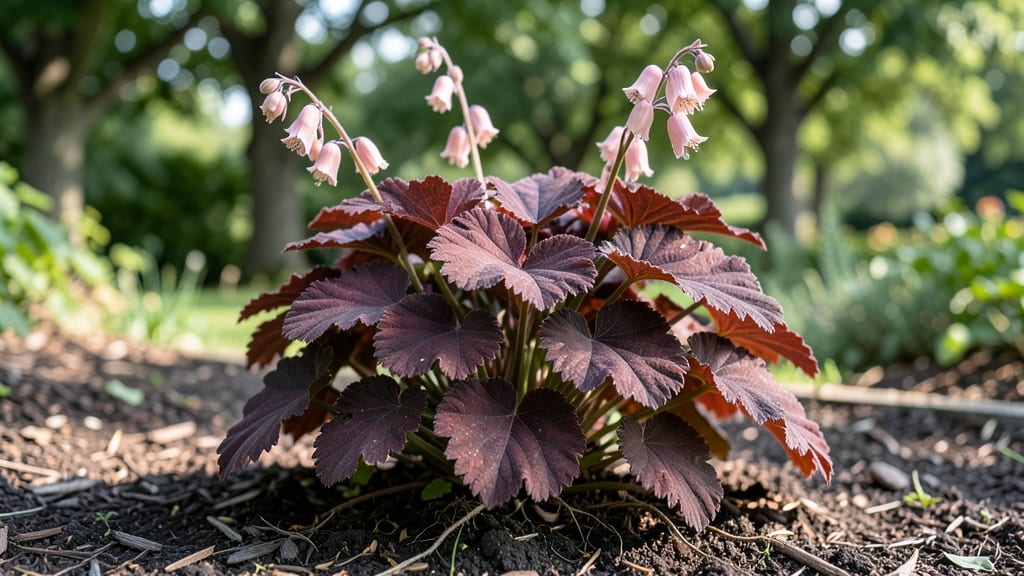
Growing the heuchera coral bells plant transforms your garden into a living color palette that never fades. 🌿 These shade-loving perennials thrive in heat, offering vibrant foliage from spring through winter—no flowers needed to steal the show.
I’ve grown them for years, and they’ve become the backbone of my low-maintenance garden beds, even in hot summers.
The secret to their success is simple: well-draining soil, partial shade, and consistent moisture. They tolerate heat better than most shade plants, making them perfect for sunny spots with afternoon shade. Start with a mix of native soil and compost, and water deeply once a week—more in extreme heat.
Their striking colors range from deep burgundy to lime green, so you can mix varieties for a bold, layered look.
Once established, Coral Bells are nearly foolproof. They spread slowly, so you won’t have to thin them, and they bounce back from pests like deer and rabbits. Prune leggy growth in early spring to encourage fresh foliage, and divide clumps every 3–4 years to keep them vigorous.
The payoff? A garden that stays stunning even when other plants fade.
Use them as edging, in containers, or as a focal point in shady spots. Their versatility means they work in modern, cottage, or woodland gardens alike. With minimal effort, you’ll have a year-round display that turns heads—and keeps your garden looking fresh in every season.
📚 In This Guide
- What you need
- Instructions
- Tips and common mistakes
- Wrapping up and next steps
What you need
- ● Heuchera Coral Bells plants: 1–5 plants (depending on desired coverage; spacing: 12–18 inches apart for full foliage effect)
- ● Choose varieties like Heuchera ‘Palace Purple’, ‘Lime Rickey’, or ‘Berry Smoothie’ for color variety
- ● Well-draining potting mix: 2–3 bags (for containers) or amend garden soil with compost (1 part compost to 3 parts soil)
- ● Organic mulch: 1–2 bags (e.g., shredded bark or pine needles) to retain moisture and regulate temperature
- ● Slow-release fertilizer: 10–15 lb bag (balanced 10-10-10 or organic options like fish emulsion)
- ● Garden trowel or hand shovel (for planting)
- ● Gloves (to protect hands from soil and sharp edges)
- ● Watering can or hose with a gentle spray nozzle
- ● Measuring tape (for spacing plants accurately)
- ○ Containers (optional): 10–14-inch pots with drainage holes (1–2 per plant if not planting in-ground)
- ● Sunlight assessment: Partial shade (3–6 hours of morning sun) or dappled shade (ideal for most varieties)
- ○ Soil pH: Slightly acidic to neutral (6.0–7.0); test kit optional but helpful
- ● Water access: Consistent moisture (but avoid soggy soil)
- ● Weather check: Plant in spring or fall (avoid extreme heat or frost)
- ● Decorative stones or pebbles (for containers or garden borders)
- ● Epsom salt (1 tbsp per gallon of water monthly for magnesium boost)
- ● Plant labels (to track varieties and care notes)
- ● Shade cloth (for high-heat areas, 30–50% coverage)
How to grow and maintain stunning coral bells (Heuchera) year-round
Here's the simple method I use to keep my Heuchera thriving through every season—no fuss, just stunning foliage.
🌱 Step 1: Choose the Perfect Planting Spot
Coral bells love partial shade to full sun, depending on your climate. In hotter regions, protect them from afternoon sun—leaves can scorch if exposed for more than 4 hours daily. I always plant mine where they get morning sunlight and afternoon shade, especially in zones with intense summer heat.
Well-draining soil is critical—Heuchera roots rot quickly in soggy conditions. Amend heavy clay soil with compost or sand to improve drainage. Dig a hole twice as wide as the root ball but only as deep as the container it came in. This prevents burying the crown too deeply, which can cause rot.
☀️ Step 2: Plant at the Right Time and Depth
Spring or early fall are the best times to plant Heuchera, when temperatures are mild (50-70°F). Remove the plant from its container and gently loosen the roots if they're circling. Place it in the hole so the top of the root ball sits just below soil level—never deeper than where it grew in the nursery.
Backfill with native soil mixed with compost to encourage root growth. Water deeply right after planting to settle the soil and eliminate air pockets. You'll know it's done right when the soil surface looks slightly firm and no gaps remain around the roots.
💧 Step 3: Water Consistently but Avoid Overdoing It
Keep the soil evenly moist but not soggy for the first 2-3 weeks after planting. After that, Heuchera is drought-tolerant once established—water only when the top 1-2 inches of soil feel dry. Overwatering is the #1 killer of these plants, so I always check with my finger before reaching for the hose.
Mulch around the base with 2-3 inches of organic mulch (like shredded bark) to retain moisture and regulate soil temperature. Keep mulch 2 inches away from the stem to prevent rot. In winter, a light layer of mulch also protects roots from freezing temperatures.
✂️ Step 4: Prune and Divide for Long-Term Health
Deadhead spent flowers in early summer to encourage more blooms and prevent self-seeding. Cut back any yellow or damaged leaves with clean, sharp shears to keep the plant looking tidy. I also trim back any leggy stems to maintain a compact shape—this ensures the foliage stays vibrant and full.
Every 3-4 years, divide overcrowded clumps in early spring. Dig up the plant, separate the crowns with a sharp knife, and replant the healthiest divisions. This rejuvenates the plant and prevents decline from overcrowding. You'll know it's time when the center leaves start yellowing or the plant looks less vigorous.
🌿 Step 5: Protect in Extreme Conditions
In hot summers, provide afternoon shade if your Heuchera starts wilting or leaves look crispy. A simple shade cloth or even a nearby tree can make all the difference. In winter, evergreen varieties may need extra protection in freezing climates—cover with a layer of mulch or burlap if temperatures drop below 10°F.
Fertilize lightly in early spring with a balanced, slow-release fertilizer (like 10-10-10) to encourage new growth. Too much fertilizer can burn roots, so I always follow the package instructions and avoid feeding in late summer—it promotes tender new growth that won't survive winter.
Tips & tricks for perfect Heuchera coral bells care
These simple tricks will help your coral bells thrive year-round with minimal effort.
Sunlight Strategy: The 4-hour afternoon sun rule is key—if you're unsure about your microclimate, start with morning sun only and gradually introduce afternoon shade. I've seen leaves crisp up in as little as 2 hours of intense afternoon sun, so err on the side of caution, especially in summer. A quick test: If your hand feels warm in the afternoon sun where you're planting, your Heuchera will too.
Soil Test: Before planting, do a simple finger test—dig down 6 inches and squeeze a handful of soil. If it stays clumped in your hand, it's too dense. Amend with equal parts compost and coarse sand (like builders' sand) to create that perfect crumbly texture. This prevents the root rot that kills so many Heuchera plants. Think of it as giving your plant's roots room to breathe.
Winter Protection: For those below 10°F winters, I've found that adding a 2-inch layer of straw mulch (not just bark) on top of your regular mulch makes all the difference. The straw insulates better and won't compact like bark can. Just remove it in early spring before new growth appears. This simple trick has saved my evergreen varieties through several brutal winters.
Division Timing: The 3-4 year division schedule works perfectly, but here's the secret: Do it when you see new shoots forming at the base in early spring. These baby plants are already growing and will establish faster. I've divided plants in late fall too, but they always struggle more through winter. Spring division gives you a head start on the growing season.
Pro Tips for Heuchera Coral Bells Plant
- These simple tricks will help your coral bells thrive year-round with minimal effort.
- Sunlight Strategy: The 4-hour afternoon sun rule is key—if you're unsure about your microclimate, start with morning ...
- Soil Test: Before planting, do a simple finger test—dig down 6 inches and squeeze a handful of soil. If it stays clum...
Frequently asked questions
Got questions about growing Heuchera (Coral Bells)?
You’re not alone! Here are answers to the most common queries—from care tips to troubleshooting—so you can keep your plants thriving with confidence.
How do I keep my Coral Bells looking vibrant all year?
Consistent moisture (but not soggy soil) and partial shade in hot climates are key. Mulch around the base to retain moisture and protect roots. In winter, a light layer of mulch shields them from freezing temps. Pro tip: Fertilize lightly in spring with a balanced formula (10-10-10) to boost color.
Are Coral Bells cold-hardy? What zones do they thrive in?
Yes! Most Heuchera varieties tolerate USDA zones 4–9. In colder zones (4–5), they’ll die back to the ground but regrow in spring. For zones 9+, provide afternoon shade to prevent leaf scorch. Bonus: Some varieties like ‘Palace Purple’ handle heat better than others.
Why are my Coral Bells’ leaves turning yellow or brown?
Yellowing often signals overwatering or poor drainage. Brown edges? It’s likely drought stress or sunburn. Check soil moisture (stick your finger 1–2 inches deep—if dry, water). Ensure pots have drainage holes, and avoid soggy conditions. Fix it: Adjust watering and relocate to partial shade if needed.
Can I grow Coral Bells in containers? What’s the best soil mix?
Use a well-draining potting mix blended with perlite or sand (e.g., 60% potting soil + 30% perlite + 10% compost). Containers should have drainage holes, and you’ll need to water more frequently than in-ground plants. Pro move: Add a slow-release fertilizer at planting time for a head start.
Do Coral Bells bloom? If so, should I deadhead them?
Yes! They produce delicate, spike-like flowers in spring/summer (often red, white, or pink). Deadheading (snipping spent blooms) encourages more flowers but isn’t mandatory. Fun fact: Flowers are lovely but not the star—it’s all about those stunning foliage colors!
What plants pair well with Coral Bells for shade gardens?
Try these shade-loving companions:
- Astilbe (feathery plumes)
- Ferns (e.g., Matteuccia struthiopteris)
- Hosta (for texture contrast)
- Lungwort (Pulmonaria) (early blooms)
- Japanese Painted Fern (Athyrium)
Design tip: Mix Heuchera with plants of varying heights for a layered look!
Wrapping up and next steps
Ready to transform your garden into a vibrant, low-maintenance masterpiece? Heuchera Coral Bells deliver year-round color, heat resilience, and effortless beauty—perfect for adding drama to any space! 🌿 Whether you’re a seasoned gardener or just starting out, these plants are your ticket to lush, striking foliage with minimal fuss.
Now that you’re armed with the how-to’s and pro tips, why not pick your favorite variety and get planting? Start small with a single pot or go bold with a full garden bed—your future foliage show awaits! 🌸