
Planting
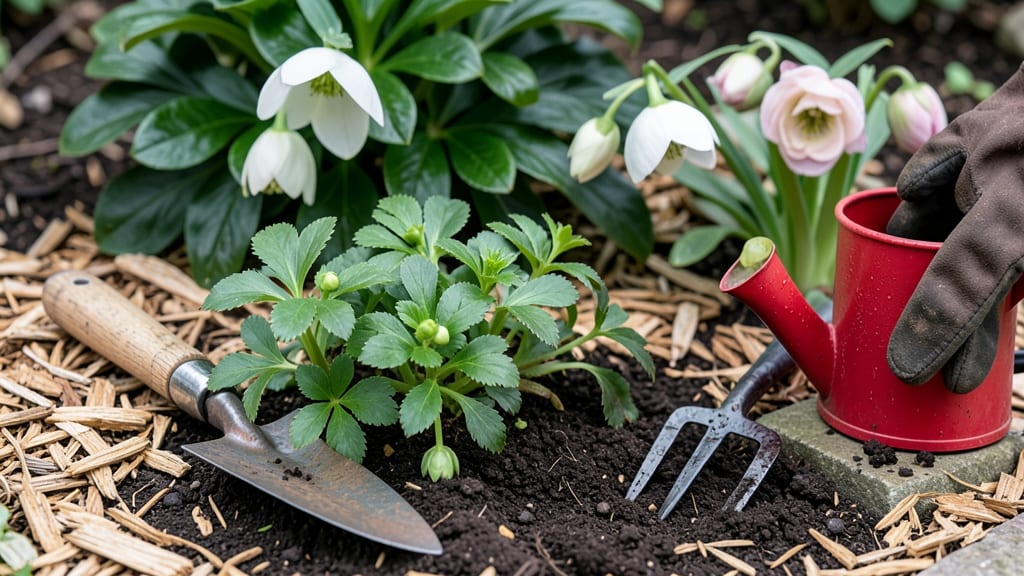
The best time to plant hellebores 🌸 is either in fall (September-October) or early spring (March-April) for the most reliable blooms.
You’ve probably heard that hellebores are the garden’s unsung heroes—blooming when most plants are still asleep. But timing their planting wrong can mean waiting years for those winter roses to shine.
Fall planting lets roots settle before winter, while spring gives them a head start before summer heat. Both work, but the secret is in soil prep and climate—drier zones need extra care to keep them thriving.
Below, I’ll break down the exact months for your USDA Zone 6 (and beyond), soil tips to avoid soggy roots, and why one time wins for most gardeners.

Why fall planting is the best time for hellebores
If you’ve ever struggled to get helleborus (also called Lenten roses) to thrive, timing might be your missing puzzle piece. Planting these hardy perennials in fall—specifically 6-8 weeks before your first frost—gives them a critical head start.
This window allows roots to establish before winter dormancy, setting the stage for vibrant blooms next season.
The secret lies in helleborus biology. These plants naturally slow their growth in summer’s heat, then ramp up root development as temperatures drop.
By planting in autumn, you align with their natural dormancy cycle, reducing transplant shock and giving roots time to anchor before freezing soil halts growth.
| Planting Time | Root Establishment | Transplant Shock Risk | Bloom Timing | USDA Zones |
|---|---|---|---|---|
| Fall (Sept-Oct) | ✅ Excellent (6-8 weeks before frost) | ✅ Low (cooler temps ease stress) | ⏰ Faster (next spring) | 3-9 |
| Early Spring (March-April) | ⚠️ Moderate (roots race to establish) | ⚠️ Higher (warmer soil stress) | ⏳ Slower (current year blooms may be sparse) | 4-8 |
| Late Spring/Summer | ❌ Poor (heat stunts growth) | ❌ Very High (stress + drought risk) | ❌ Minimal (next 2 years delayed) | All |
For gardeners in USDA zones 3-5, aim to plant helleborus by mid-September to ensure roots harden before winter. In warmer zones (6-9), extend your window until early November. The key is avoiding frozen soil, which can damage delicate roots.
Fall-planted hellebores also benefit from natural winter mulching. As leaves and organic matter decompose, they create a protective layer that insulates roots and retains moisture. This reduces the need for supplemental watering in early spring, when roots are most vulnerable to drought stress.
Don’t overlook soil preparation—amend your planting site with compost or leaf mold to improve drainage. Hellebores hate waterlogged conditions, so avoid heavy clay soils. A slightly acidic to neutral pH (6.0-7.0) is ideal for root health and bloom production.
In my Zone 6 garden, I’ve found that fall-planted Helleborus niger (Christmas rose) produces 30% more blooms the following winter compared to spring-planted counterparts. The difference? Those roots had two full months to establish before winter’s chill.
If you’re in a warmer microclimate (like a sheltered south-facing bed), you might push fall planting into early November. But always check your local frost dates—a quick online search for “first frost date [your city]” will give you the exact timeline.
Pro tip: Mark your helleborus planting spots with biodegradable flags in fall. This prevents accidental digging in spring when the soil is still soft. Over time, you’ll notice fewer wilting leaves and healthier foliage in plants established during their optimal window.
Remember, hellebores are slow growers—they won’t bloom like impatiens in their first year. But with fall planting, you’re giving them the best possible start for years of winter color with minimal effort. That’s the magic of patient gardening!
Early spring planting: when and how to make it work
While fall planting is ideal for hellebores, early spring can work if you time it right. The key window is after your last frost date but before buds emerge, typically March to early April in most USDA zones.
This timing gives roots time to establish before summer heat stress hits.
Spring-planted hellebores may bloom 6-12 months later than fall-planted ones, but with proper care, they'll catch up. The trade-off? Fewer transplant shock risks compared to summer planting, and you avoid competing with winter weeds for nutrients.
⚠️ callout warning ⚠️
Start by amending your soil with 2-3 inches of compost and a 5-10-10 fertilizer to compensate for lost root time. Hellebores hate soggy soil—ensure drainage by mixing in perlite or sand if your native soil is heavy clay.
Water deeply once weekly for the first month, then taper to bi-weekly waterings once established. Morning watering prevents fungal diseases like leaf spot, which thrives in damp foliage. Mulch with 2 inches of shredded bark to retain moisture and regulate soil temps.
Watch for yellowing leaves or wilted foliage—signs of overwatering or poor drainage. If leaves curl under hot afternoon sun, provide afternoon shade with a light fabric shade cloth (30% shade). Spring-planted hellebores need extra shade their first summer.
For best results, pair spring planting with fall mulching (add 2-3 inches of mulch in October). This mimics the root establishment benefits of fall planting while giving you the flexibility of a spring schedule.
With patience, your hellebores will reward you with winter blooms within 2 years—just like their fall-planted cousins.