
Planting
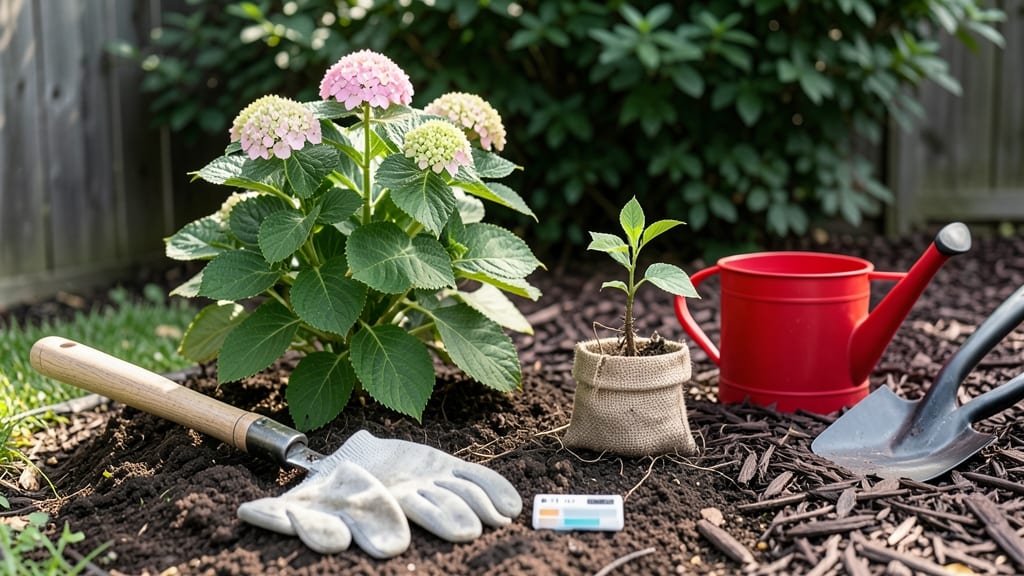
Planting a hydrangea tree at the right time ensures strong roots and vibrant blooms, but getting it wrong can leave your plant struggling for years.
Picture this: you’ve picked out the perfect 🌸 hydrangea tree, dug the hole, and—just as you’re about to plant it—the weather takes a turn for the worse.
Too early, and frost will damage tender roots; too late, and summer heat will stress the transplant. Timing isn’t just a detail; it’s the foundation of success.
For most gardeners in USDA Zone 6a (and similar temperate climates), the best windows are early spring—April to May—or fall—September to October.
These months strike the balance between soil warmth and moisture, giving your hydrangea the ideal conditions to establish itself before dormancy or peak summer stress sets in.
Below, I’ll break down the exact cues to watch for—soil temperature, rainfall patterns, and even the moon phase (yes, really)—plus how to prep your hydrangea for planting whether you’re working with bare-root stock or a container-grown specimen. Let’s get those roots growing the right way.

Optimal planting months for hydrangea trees by USDA hardiness zones
Timing your hydrangea tree planting correctly ensures strong root development and vibrant blooms. Since these shrubs thrive in cool-season conditions, the best windows vary by USDA hardiness zone. Planting too early or late can stress young roots, leading to poor establishment.
Let's break down the ideal months for zones 3 through 8 and the soil conditions that signal readiness.
Most gardeners focus on spring or fall planting, but the exact timing depends on your local climate. For example, in colder zones (3-5), spring planting gives roots time to establish before winter, while warmer zones (7-8) benefit from fall's cooler temperatures.
Understanding these seasonal cues helps avoid transplant shock and promotes faster growth.
Here's a quick comparison of ideal planting windows by zone, including soil temperature guidelines and seasonal considerations:
| USDA Zone | Best Planting Months | Soil Temperature | Seasonal Tip |
|---|---|---|---|
| Zones 3-4 | Late April - Early May | 50-55°F (10-13°C) | Avoid planting before last frost; mulch heavily for winter protection. |
| Zones 5-6 | April - Early June or September - October | 55-60°F (13-16°C) | Spring planting preferred; fall planting allows root growth before winter. |
| Zones 7-8 | March - April or September - Early October | 60-65°F (16-18°C) | Fall planting ideal; spring planting requires consistent moisture. |
In zones 3-4, where winters are harsh, focus on late spring planting after the last frost date. The soil should be warm but not hot—ideally between 50-55°F (10-13°C).
This temperature range encourages root growth while preventing heat stress. Always check your local last frost date to avoid early planting, which can damage tender new growth.
For zones 5-6, both spring and fall are viable options. Spring planting (April-June) gives roots time to establish before summer heat, while fall planting (September-October) allows roots to grow in cooler weather. Aim for soil temperatures of 55-60°F (13-16°C)—this balance supports root development without overwhelming the plant.
Gardeners in zones 7-8 have the most flexibility, with ideal windows in early spring (March-April) or fall (September-October). Fall planting is often preferred here because it avoids summer heat stress. Ensure soil temperatures stay between 60-65°F (16-18°C)—warmer than northern zones but still cool enough for root establishment.
Regardless of your zone, avoid planting during extreme heat or cold. Hot soil can scorch young roots, while cold soil slows growth. Always test soil moisture before planting: it should be damp but not soggy.
A simple finger test—insert your finger 2 inches deep—will tell you if conditions are right.
One common mistake is planting hydrangeas in full summer heat. While some varieties tolerate it, young trees struggle to establish roots in 90°F+ (32°C+) soil. If you must plant in summer, choose early morning or late afternoon to reduce stress, and provide extra mulch to retain moisture.
Pro tip: If you're planting in containers, adjust your timing slightly. Container-grown hydrangeas can handle transplanting 1-2 weeks earlier than bare-root plants because their root systems are less disrupted. Just ensure the container soil stays consistently moist during the first 4-6 weeks after planting.
Finally, remember that hydrangeas are not drought-tolerant when establishing. After planting, water deeply 2-3 times per week for the first month, then taper off to weekly deep waterings. Mulching with 2-3 inches of organic mulch helps retain soil moisture and regulates temperature—critical for young roots.
Signs your hydrangea tree is ready for planting (and what to avoid)
Your hydrangea tree won't thrive if planted at the wrong time—even if the soil looks perfect. The key is reading your local climate cues and avoiding common planting pitfalls.
I’ve learned the hard way that skipping these signs can delay blooms by 1-2 full seasons. Let’s break down what to watch for before digging that first hole.
First, check the soil temperature—it’s the most critical factor. For most USDA zones 5-8, the ground should be at least 60°F (15°C) at a depth of 6 inches.
Use a soil thermometer for accuracy; I’ve seen gardeners plant too early when roots can’t establish properly. In cooler zones 3-4, wait until 55°F (13°C) to reduce transplant shock.
Soil moisture is another dead giveaway. If the top 2-3 inches of soil dry out within 24 hours after rain, your hydrangea tree is ready. This signals your local climate’s natural water cycle has shifted toward warmer, drier conditions—ideal for root growth. I test this by pressing my finger into the soil; if it feels dry but not bone-dry, it’s planting time.
Now, let’s talk temperature cues beyond soil. In spring, aim for 50°F (10°C) nighttime temps consistently for 7-10 days before planting. This means no more frost warnings in your area.
For fall planting, shoot for 60°F (15°C) daytime highs with nights dipping to 45°F (7°C)—this gives roots time to establish before winter dormancy.
⚠️ Planting Too Early or Late = Stressed Roots
Spring mistake: Planting before last frost (May 15 in Zone 6a) risks frost damage to new shoots. Fall mistake: Planting after October 1 in colder zones (Zone 5) leaves roots vulnerable to winter heaving. Always check your local frost dates—I use the Old Farmer’s Almanac app for reminders.
Watch for new leaf buds on your hydrangea tree—these signal it’s breaking dormancy and ready for transplant. In spring, you’ll see swollen buds along the stems; in fall, look for tight, green buds that haven’t opened yet.
I’ve planted trees with open flowers, and while they survive, their first-year blooms suffer from transplant stress.
Finally, avoid these 3 common mistakes that delay growth: planting in waterlogged soil (hydrangeas hate soggy roots), using fresh manure (burns tender roots), or burying the root flare too deep. I once buried a hydrangea’s flare 2 inches below soil level—it took 2 years to recover.
Always plant so the root flare (where roots meet trunk) sits 1-2 inches above soil.
When you spot these signs—warm soil, dry surface, stable temps, and active buds—your hydrangea tree is ready. Grab your gloves and dig that hole; your future flower-filled shrub will thank you. 🌸