
Planting
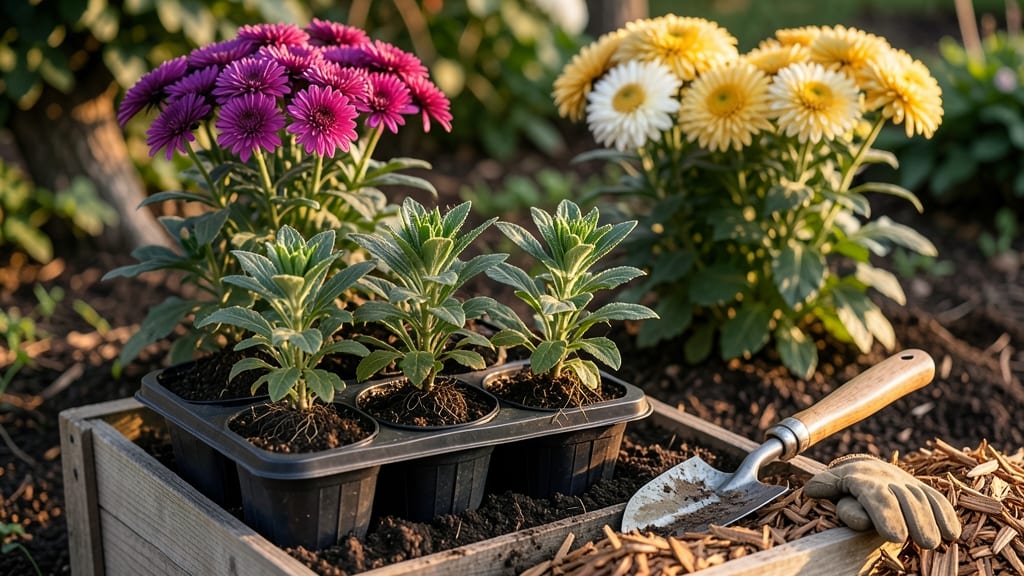
Planting mums in ground at the right time ensures vibrant fall blooms that last well into October.
Want a burst of brilliant fall color that turns heads in your neighborhood? The secret lies in timing—planting too early or too late can leave you with flops instead of showstoppers.
For most gardeners in USDA Zone 6a, the sweet spot is late summer to early fall, about 4-6 weeks before the first frost. This window gives roots time to establish before cold weather sets in, setting the stage for long-lasting color.
Below, I break down the exact planting schedule for your climate, soil prep tips to avoid common mistakes, and how to stretch those blooms even longer with simple care tricks.

Optimal planting windows for mums by climate zone
Timing is everything when planting chrysanthemums (mums), and your USDA zone determines the perfect window for vibrant fall blooms. Plant too early, and roots struggle before frost; too late, and blooms won't develop fully.
The ideal planting window is 4-6 weeks before your first frost, giving plants time to establish roots while still producing flowers. Let's break down the best times for each zone to ensure your mums thrive.
For cooler climates (Zones 3-5), aim to plant mums in late July to early August. These regions experience earlier frosts, so starting early gives plants a head start. In warmer zones (6-10), you can extend planting into late August or early September.
The key is to avoid planting when soil temperatures drop below 50°F (10°C), as this slows root growth and weakens plants before winter.
Here’s a quick reference for your zone—planting too early in hot climates can cause heat stress, while late planting in cold zones risks frost damage before blooms appear.
| USDA Zone | Best Planting Window | Soil Temp Goal | Bloom Timing |
|---|---|---|---|
| Zones 3-4 | Late July - Early August | 50-60°F (10-15°C) | Mid-September - October |
| Zones 5-6 | Early to Mid-August | 55-65°F (13-18°C) | Late September - November |
| Zones 7-8 | Mid-August - Early September | 60-70°F (16-21°C) | October - December |
| Zones 9-10 | Late August - September | 65-75°F (18-24°C) | November - January |
In Zones 3-4, where winters are harsh, prioritize hardy mum varieties like 'Hardy Bonanza' or 'Autumn Joy'. These can handle colder soil temperatures and still produce stunning blooms.
For Zones 5-6, focus on planting by mid-August to ensure roots establish before the first frost, which typically hits in mid-October. In these zones, dwarf varieties like 'Little Princess' work well for containers or borders.
If you're in Zones 7-10, you have more flexibility. Planting in late August or early September allows mums to bloom well into winter, especially in milder climates. For example, in Zone 9, mums planted in early September can continue blooming until December or January.
Choose heat-tolerant varieties like 'Medallion' or 'Pink Beauty' to handle warmer fall temperatures.
Pro tip: Use a soil thermometer to check temperatures before planting. Mums prefer soil that's at least 50°F (10°C), but warmer soil (60-70°F or 15-21°C) encourages faster root growth. If your soil is too cold, wait a few days or use black plastic mulch to warm it up.
This is especially useful in Zones 3-5, where early fall can bring chilly nights.
For container-grown mums, adjust timing slightly. Containers cool faster than in-ground soil, so plant 1-2 weeks earlier than your zone’s recommended window. This gives roots extra time to adapt before cooler temperatures set in.
Also, ensure containers have drainage holes to prevent waterlogging, which can rot roots and stunt growth.
Watch for local microclimates that can shift planting times. Areas near large bodies of water or urban heat islands may stay warmer longer, allowing later planting.
Conversely, high-altitude gardens or shaded spots might need earlier planting. Always check your last frost date and adjust by 4-6 weeks for the best results.
Once planted, mums need consistent care to maximize blooms. Water deeply 1-2 times per week (more in containers) and apply a balanced fertilizer like 10-10-10 every 4-6 weeks until mid-summer.
Deadhead spent blooms to encourage more flowers and protect plants from early frost damage by covering them with lightweight row fabric when temperatures drop below 30°F (-1°C).
With the right timing, your mums will reward you with weeks of vibrant color—perfect for fall weddings, holiday decor, or simply brightening up your garden. Happy planting! 🌼
Signs your soil is ready for mum planting (and how to fix common mistakes)
Mums (chrysanthemums) thrive when planted in well-draining, fertile soil with a slightly acidic pH (6.0-6.5). The ideal planting window—4-6 weeks before first frost—aligns with soil temperatures between 60°F and 70°F.
If your soil feels too cold or waterlogged, roots struggle to establish, leading to weak blooms or stunted growth.
Before planting, test your soil’s moisture retention and nutrient levels. Press a handful—if it crumbles easily, it’s ready. If it sticks together, amend with compost or perlite to improve aeration. Mums hate soggy soil, so poor drainage is a red flag for failure.
⚠️ callout-warning ⚠️
Mums planted in cool soil below 55°F risk root rot or poor blooming. Wait until your local frost date is 4-6 weeks away—check the USDA Plant Hardiness Zone Map for your area. In Zone 6a, aim for late August to early September.
🌡️ Pro Tip: Use a soil thermometer—ideal temps are 60°F-70°F at 4" depth.
Compacted soil is another silent killer. If water pools after rain or your shovel resists digging, loosen the top 6-8 inches with a garden fork. Mix in 2-3 inches of compost or aged manure to boost fertility.
Mums need phosphorus and potassium for vibrant blooms—add a balanced 10-10-10 fertilizer at planting time.
Check for weeds or thatch, which compete for nutrients. Clear the area and mulch with 2-3 inches of straw or pine needles to retain moisture and regulate temperature. Avoid fresh mulch, which can deplete nitrogen as it breaks down.
Finally, observe your garden’s sun exposure. Mums need 6+ hours of direct sunlight daily—if your spot gets partial shade, blooms will be sparse. Test your soil’s sunlight hours with a light meter or by tracking shadows. Adjust planting locations if needed.
With the right soil prep, your mums will reward you with bold, long-lasting blooms that steal the show all fall. Happy planting! 🌼