
Planting
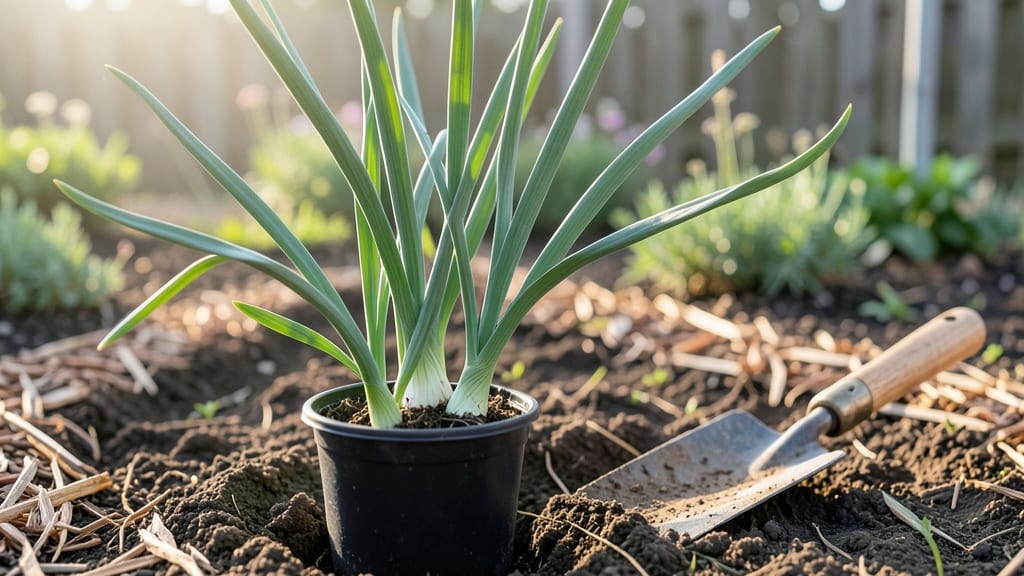
The best time to plant onions in Texas is late summer to early fall or early spring — a window that avoids the brutal summer heat and bolting before bulbs mature.
Texas gardeners know timing is everything—and planting onions at the wrong time can mean wilted dreams instead of a bountiful harvest. But mastering the perfect window for fall or early spring planting could transform your garden into a flavorful success story.
Fall-planted onions 🧅 thrive in Texas’s cooler months, with bulbs ready to harvest by early summer before the heat sets in. Meanwhile, early spring planting gives you a head start, but you’ll need to act fast to avoid the dreaded bolting that turns your onions into seed stalks.
Below, I break down the exact months for your region, heat-resistant varieties that actually work here, and the one trick to keep your onions from turning into sad, skinny stalks before harvest time.

Texas onion planting calendar: fall vs. early spring breakdown
Texas gardeners face a unique challenge with onions—the scorching summer sun can turn your onion sets into bolting disasters if planted too early. But timing your fall vs. early spring planting correctly means the difference between plump, flavorful bulbs and sad, stunted growth.
I’ve grown onions in North, Central, and South Texas for years, and I’ll break down the exact month-by-month windows that work best for each region.
The key is planting when soil temps stay below 75°F—this prevents onions from sending up flowers (bolting) instead of forming bulbs. In Texas, that means fall planting (August–October) or early spring planting (February–March), depending on your zone. Let’s dive into the specifics for your region.
North Texas (Zones 7b–8a): Your last frost is around February 15, so aim for fall planting in September–October or spring planting in late February–early March. The goal is to harvest before summer heat peaks in June.
Central Texas (Zones 8a–8b): With last frosts around March 15, plant fall onions in August–early September or spring onions in February–March. The 100°F+ summers make timing critical—you want bulbs to mature by May.
South Texas (Zones 9a–10b): Rare frosts mean you can plant fall onions as late as October or spring onions in January–February. Heat tolerance is key here—opt for heat-resistant varieties like Yellow Granex to survive the long growing season.
| Region | Fall Planting Window | Spring Planting Window | Best Varieties | Soil Prep Tip |
|---|---|---|---|---|
| North Texas | September–October | Late February–March | Texas Early White, Red Creole | Add compost to improve drainage |
| Central Texas | August–Early September | February–March | Yellow Granex, Texas Super Sweet | Test soil pH (6.0–7.0) |
| South Texas | August–October | January–February | Yellow Granex, Texas Early White | Mulch heavily to retain moisture |
For all regions, soil preparation is non-negotiable. Onions thrive in well-draining soil with a pH of 6.0–7.0. Before planting, amend your soil with 2–3 inches of compost and work in a balanced fertilizer (10-10-10). In South Texas’s heavy clay soils, consider raised beds to prevent waterlogging.
Watering is another Texas-specific hurdle. Onions need 1 inch of water per week, but deep soakings in the morning prevent fungal diseases like downy mildew.
In Central and North Texas, reduce watering as harvest nears to toughen bulb skins. In South Texas, drip irrigation is a game-changer to avoid evaporation.
One mistake I see often? Planting onion seeds instead of sets in Texas’s heat. Seeds take too long to germinate, and by the time they sprout, the heat triggers bolting. Instead, use onion sets—small bulbs that grow faster.
For green onions, you can plant seeds in fall or spring, but for storage bulbs, sets are your best bet.
Harvest timing varies by planting season. Fall-planted onions are ready by late spring (April–June), while spring-planted onions mature by late summer (August–September). Look for yellowing tops and firm bulbs—these are your cues. Cure harvested onions in a dry, shady spot for 2–3 weeks to extend storage life.
Pro tip: In North Texas, plant short-day onion varieties like Texas Early White to avoid bolting. In South Texas, focus on heat-tolerant types like Yellow Granex, which handle the long, hot season better. With the right timing and varieties, you’ll be feasting on homegrown onions year-round.
🌱
How to choose heat-resistant onion varieties for Texas gardens
Texas summers are brutal for onions—most varieties bolt or shrivel under our relentless sun. But the right heat-resistant onion varieties can thrive in our USDA Zones 8a-10b, delivering sweet, robust bulbs even when temperatures soar.
The key? Selecting Texas-bred varieties like Yellow Granex or Red Creole, which handle our 100°F+ heat with ease while resisting common pests like onion flies.
When choosing varieties, prioritize short-day onions (they form bulbs in response to daylight length) and disease-resistant hybrids. These types mature quickly—often in 90-120 days—so they avoid summer’s worst heat.
For example, Texas Early White bulbs up fast and tolerates our calcareous soils, while Yellow Granex (the Vidalia cousin) sweetenens under stress—a perfect match for Texas gardens.
| Variety | Days to Maturity | Heat Tolerance | Disease Resistance | Best Planting Time |
|---|---|---|---|---|
| Yellow Granex | 100–120 days | Excellent (sweetens in heat) | Downy mildew, smut | Late Aug–Sept or Feb–March |
| Texas Early White | 90–110 days | Very high (adapted to Texas) | Onion fly, purple blotch | Sept–Oct or Feb |
| Red Creole | 110–130 days | High (deep color holds) | Fusarium, bacterial rot | Late Aug–Sept |
| Texas Super Sweet | 80–100 days | Moderate (fast-maturing) | Onion maggot | Feb–March |
| Candy | 100–120 days | Good (sweet flavor) | Downy mildew | Sept–Oct |
For seed sources, stick to Texas-approved suppliers like Johnny’s Selected Seeds (their Texas Early White sets are a local favorite) or Baker Creek Heirloom Seeds for heirloom options. Avoid generic seed packets—many long-day onion varieties (like Walla Walla) won’t bulb properly in Texas.
Pro tip: Buy sets (small bulbs) instead of seeds for faster harvests—sets sprout in 7–10 days compared to 20+ days for seeds.
To outsmart Texas pests, pair onions with companion plants like carrots (they deter onion flies) or thyme (repels aphids). Avoid planting near beans or peas, which compete for nutrients.
For extra protection, use row covers in early spring to shield young plants from onion maggots—a common Texas menace. Mulch with straw to retain moisture and keep soil temps stable during heatwaves.
Remember: Timing matters. Plant sets in late summer (August–September) for a fall harvest or early spring (February–March) to beat the summer heat. With the right variety and a little strategy, your Texas onion garden can beat the heat and deliver homegrown bulbs that rival store-bought—without the wilted disappointment. 🌱