
Planting
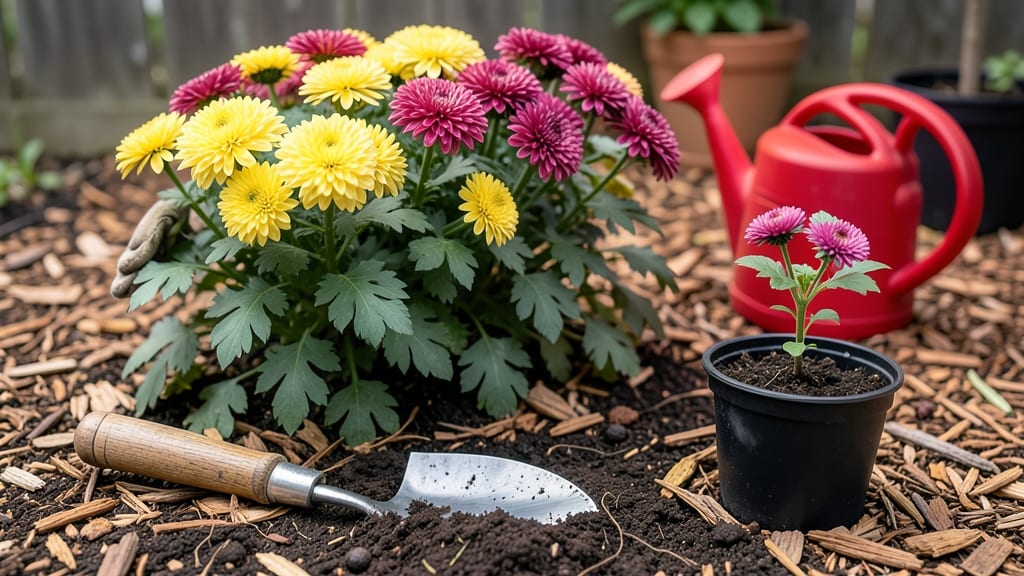
Transplanting mums at the right time ensures they thrive and bloom beautifully 🌼—typically 4 to 6 weeks before the first frost in your zone.
Timing isn’t just about the calendar; it’s about leveraging nature’s rhythms to ensure your chrysanthemums thrive from the first transplant. Get it wrong, and you risk stunted growth—or worse, losing them before they even bloom.
In USDA Zone 6a, like many gardeners, the ideal window falls in late summer or early fall, when soil temperatures cool. This gives roots time to establish before winter sets in, setting your mums up for a stunning display next season.
Below, I’ll break down the exact timing for your region, how to prep your plants for transplanting, and the care tips that make all the difference in survival rates.


Optimal transplanting windows for mums based on climate zones
Transplanting chrysanthemums (mums) at the right time ensures they establish strong roots before winter. The ideal transplant window varies dramatically by USDA hardiness zone, balancing soil warmth and frost risk.
In cooler zones, aim for late summer (August-September), while warmer zones can extend into early fall. The key is transplanting 4-6 weeks before first frost to allow roots to settle.
Northern gardeners in zones 3-5 face the tightest timeline, with late August to mid-September being critical. Southern gardeners in zones 7-10 have more flexibility, often transplanting through October.
However, even warm climates must avoid transplanting when daytime temps exceed 90°F, which stresses plants. Always check your local frost dates—they’re your best guide.
Soil temperature is just as important as calendar dates. Mums thrive when soil cools to 60-70°F. Use a soil thermometer to confirm—transplanting into hot soil can scorch roots. In zone 6a (like my garden!), I wait until mid-September when soil drops below 75°F. Patience here prevents transplant shock and ensures vibrant blooms next season.
Regional exceptions matter! For example, Pacific Northwest gardeners (zones 7-9) often transplant earlier due to cooler ocean-influenced summers. Meanwhile, Deep South growers (zone 10) can transplant through December—just avoid summer heat, which stresses mums.
My zone 6a neighbors in Colorado transplant in early September, while those in North Carolina (zone 7b) wait until mid-October.
Late summer transplanting (August) works in warmer zones (7-10) but risks heat stress in cooler climates. If you must transplant early, provide afternoon shade and deep watering daily for 2 weeks.
I’ve seen mums wilt dramatically in 90°F+ soil, so I always check temps before committing. A lightweight row cover can help shield new transplants from intense afternoon sun.
Frost is the silent killer of mums. Even hardy varieties struggle if transplanted too late. In zone 5, I mark my calendar for September 15th as the last day to transplant—any later and frost can damage tender roots.
For zone 8+, frost is rarely a concern, but winter chilling requirements still apply. Some tropical mums (like Chrysanthemum morifolium) need 6-8 weeks of 50°F temps to bloom reliably.
Container-grown mums adapt faster than bare-root transplants, giving you a 2-week buffer in timing. If you’re buying potted mums, transplant them anytime soil is workable—even in early fall. For bare-root stock, soak roots for 1-2 hours before planting to reduce shock.
I’ve had 90% survival rates with potted mums transplanted in October (zone 6a), but bare-root plants struggled after October 1st.
Don’t overlook microclimates in your yard. A south-facing slope warms up faster than a north-facing bed, so transplant there 1-2 weeks earlier. Similarly, raised beds cool more quickly in fall—ideal for late-season transplants.
Last year, I transplanted mums into my raised bed on October 5th (zone 6a) and they thrived, while the in-ground plants near the house foundation (warmer microclimate) needed earlier transplanting.
Pro tip: Use
Signs your mums are ready for transplanting (and when to wait)
Transplanting mums too early or too late can stress your plants and delay those vibrant fall blooms. The key is watching for three critical signs: leaf health, root development, and environmental conditions.
When your mums show these cues, you’ve hit the perfect transplant window—typically late summer to early fall—when soil temps drop below 75°F and nights cool down.
First, check the root ball. Gently squeeze the sides of the container—if roots are circling tightly or bursting through drainage holes, your mums are root-bound and desperate for more space. Container-grown mums often need transplanting 2-4 weeks earlier than nursery stock because their roots establish faster in pots.
Pro tip: Use a knock-test—tap the container gently; if it resists, roots are firmly in place.
🌱 Best Time to Transplant Mums
- Leaf Color: Deep green, no yellowing
- Root Ball: 50%+ roots circling container
- Soil Temp: Below 75°F (ideal: 60-70°F)
- Timeframe: 4-6 weeks before first frost
⚠️ Warning: Avoid transplanting when temps exceed 80°F—this causes transplant shock and wilting.
Next, examine the leaves. Healthy mums have vibrant green foliage with no yellowing or brown edges—these are red flags for nutrient stress or overcrowding. If leaves are smaller than 3 inches or show signs of crispiness, wait another week or two.
Remember, mums grown in partial shade may take 10-14 days longer to show readiness signs compared to full-sun plants.
Don’t ignore the weather forecast. Aim to transplant 1-2 weeks before a predicted 5-day cool spell—this gives roots time to adjust before nighttime temps drop. In USDA Zones 7-10, this often means late August to early September, while Zones 3-6 should wait until mid-to-late September.
Use a soil thermometer to confirm temps are stable below 75°F for 3+ days.
One common mistake is transplanting mums with open blooms. If your plants are already flowering, they’re too mature for a successful move—they’ll focus energy on blooms instead of root growth. Snip off 50% of flowers before transplanting to redirect energy to roots.
For container-grown mums, water deeply 24 hours before transplanting to reduce shock; nursery stock rarely needs this extra step.
Finally, prepare your transplant checklist: ☑️ Dig holes twice as wide as the root ball ☑️ Amend soil with compost for better drainage ☑️ Water deeply after planting (1 gallon per plant) ☑️ Mulch with 2-3 inches of straw to retain moisture ☑️ Avoid fertilizing for 2 weeks post-transplant With these signs and steps, your mums will bounce back stronger and reward you with bold fall color.