
Planting
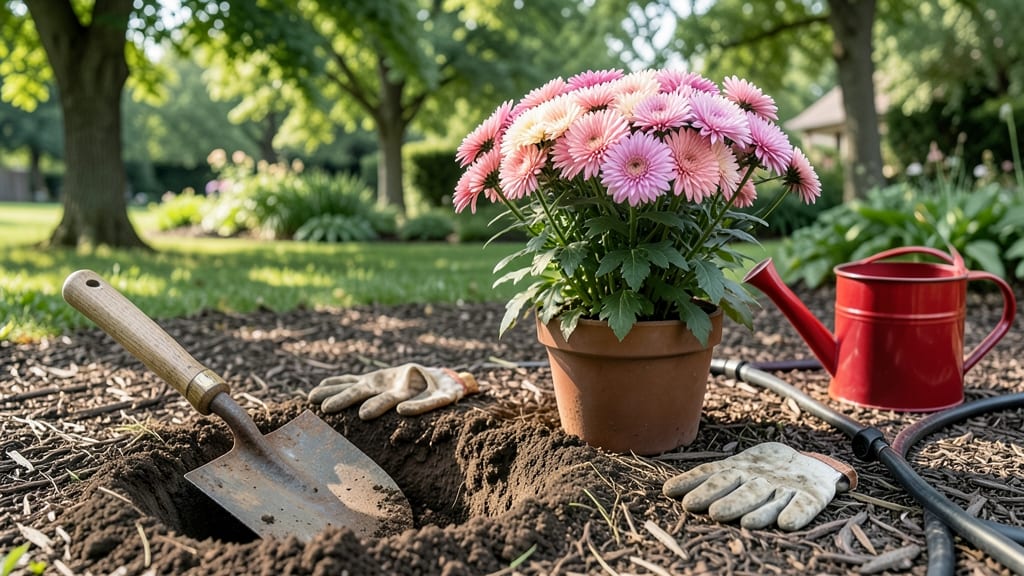
Planting potted Mums (Chrysanthemum) 🌼 in the ground at the right time ensures vibrant fall blooms and strong root growth.
If you’ve ever watched your Mums struggle to take root after a late transplant—or worse, see frost nip their leaves before they even bloom—you know timing is everything.
The key lies in your USDA zone, which determines the perfect window to move them from pots to soil, ideally 4-6 weeks before the first frost.
Most gardeners assume fall is the only option, but your location actually dictates whether spring or fall planting works best. In Zone 6a, for example, late summer to early fall is ideal, while warmer zones can extend the window.
I’ll break down the exact dates by region and share the telltale signs your Mums are ready for the ground.
You’ll also learn how to avoid the three biggest transplant mistakes—like overwatering or planting too deep—that can turn your Mums into a sad, leggy mess. Let’s get those blooms thriving!
USDA Zone-specific frost dates for planting potted mums in the ground
Timing your potted mums' transplant is critical—plant too early, and they'll bolt or flop; too late, and frost will kill tender roots. The 4-6 week rule before your first frost date ensures strong root establishment while giving blooms time to develop.
Your USDA zone determines the exact window, as regional microclimates vary wildly (think Pacific Northwest chill vs. Deep South warmth).
Mums thrive in cooler weather, but they need 4-6 weeks of root hardening before temperatures dip below 40°F (4°C). This period lets roots adapt to garden conditions while stems strengthen.
In Zone 3, where frosts arrive early, you'll plant in mid-July—while Zone 11 gardeners can wait until September. Let's break down the science and schedules.
In Zones 3-4, where frosts arrive as early as mid-September, mums need to be in the ground by mid-August to establish roots. The shorter growing season demands cold-hardy varieties like 'Bonanza' or 'Dakota Gold', which tolerate 20°F (-6°C) temperatures.
I've planted these in northern Minnesota, and the key is amending soil with compost to insulate roots.
For Zones 5-6, the Pacific Northwest presents unique challenges due to cooler, wetter summers. Plant 2 weeks earlier than the table suggests—around mid-Augustmoist, cooler climates. In drier inland areas, wait until early September to avoid transplant shock from heat stress.
The Deep South (Zones 7-8) offers flexibility, but don't wait too long. While first frosts may not arrive until mid-October, humidity and heat can stress mums. I recommend planting by September 10th in Georgia and Florida's panhandle, using afternoon shade cloth if temperatures exceed 90°F (32°C).
Coastal areas can extend planting until October 1st due to moderating ocean breezes.
In Zones 9-11
Transplanting potted mums at the right time ensures vibrant blooms and healthy root growth. Look for root-bound signs like roots circling the container's bottom or growing through drainage holes. This indicates your mums are ready to stretch their legs in garden soil. Check for bud development—fully formed buds signal readiness. Avoid transplanting when buds are still tight, as this stresses the plant. Also, inspect leaves for vigorous green color and minimal yellowing, which means your mums are thriving and ready for their new home. Prepare your garden location by testing soil moisture—it should be well-draining but retain moisture. Amend heavy clay with compost to improve aeration. Choose a sunny spot with at least 6 hours of sunlight daily, as mums need full sun to thrive. Before transplanting, harden off your mums by placing them outside in partial shade for 2-3 hours daily, gradually increasing exposure. This acclimates roots to outdoor conditions and reduces transplant shock. Water thoroughly the day before moving to ensure roots stay hydrated. Dig holes twice as wide as the container but only as deep as the root ball. Gently remove mums from pots, tease apart root-bound roots, and place them in holes with the top of the root ball level with the soil surface. Backfill with native soil and water deeply to settle roots. After transplanting, apply 2-3 inches of mulch around the base to retain moisture and regulate soil temperature. Avoid mulching too close to stems to prevent rot. With proper timing and care, your mums will reward you with stunning fall color all season long.Signs your potted mums are ready for transplanting (and how to prepare them)
🌱 Ready-to-Transplant Checklist for Potted Mums