
Planting
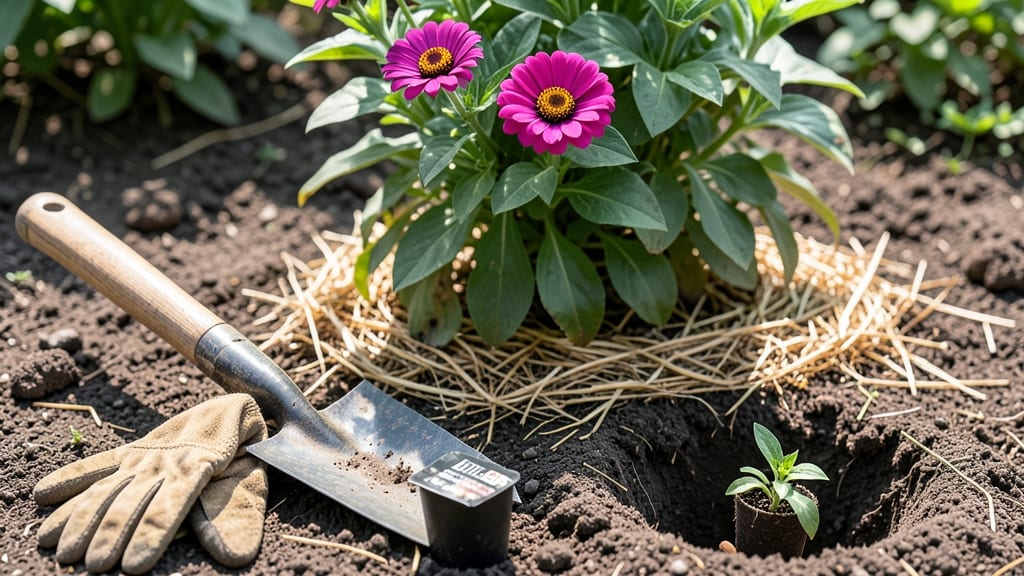
The best way to plant zinnia couldn’t be simpler—just three steps separate you from a summer of bold, sun-drenched blooms that hummingbirds can’t resist. 🌻 I’ve planted hundreds over the years, and the secret lies in timing, soil, and a little patience.
Skip the fancy prep work; zinnias thrive when you treat them right from day one, whether you’re starting seeds or tucking in transplants.
The soil needs to be loose and well-draining—no heavy clay here. Mix in compost if your dirt feels compact, and avoid planting where last year’s zinnias grew (they’re prone to mildew). For direct sowing, scatter seeds ¼-inch deep, 6–12 inches apart (closer for dwarf varieties).
If transplanting, bury them just deep enough so the top set of leaves sits above soil level—no deeper, or they’ll rot.
After planting, water gently but deeply to settle the soil, then keep it moist (not soggy) until germination. Once sprouted, zinnias are drought-tolerant, but deadheading spent blooms every few days keeps them producing nonstop until frost.
The payoff? A border so vibrant it looks staged, with flowers that last from midsummer to fall.
Pro tip: Pinch back young plants when they’re 4–6 inches tall to encourage bushier growth. And if you’re planting in hot zones, opt for afternoon shade until roots establish—zinnias hate wilting before they even get started. Ready to turn your sunny patch into a pollinator paradise?
📚 In This Guide
- What you need
- Instructions
- Tips and common mistakes
- Wrapping up and next steps
What you need
- ● Zinnia seeds: Choose heirloom or hybrid varieties (e.g., 'Benary’s Giant,' 'Profusion'). Buy 1–2 packets (50–100 seeds) for a small garden or 3–5 packets for a full border.
- ● Well-draining potting mix: 1–2 bags (12–18 qt) of seed-starting mix (for indoors) or native soil amended with compost (for direct planting).
- ○ Containers (optional for early starts): 4–6 biodegradable pots (2–3" diameter) or 1–2 seed trays with drainage holes.
- ● Garden soil (for outdoor planting): Loosen the top 6–8 inches of soil and mix in 2–3 inches of compost per 10 sq ft.
- ● Watering can or hose: With a gentle spray nozzle to avoid displacing seeds.
- ● Plant labels: 5–10 wooden or plastic labels to track varieties (if planting multiple types).
- ● Seedling heat mat: Speeds up germination if starting indoors in cool climates.
- ● Grow lights: 1–2 LED bulbs (6–12 inches above seedlings) for 12–14 hours/day if natural light is weak.
- ● Fertilizer: Balanced 10-10-10 or slow-release granules (sprinkle lightly at planting).
- ● Mulch: Straw or shredded leaves (1–2 inches) to retain moisture and suppress weeds.
- ● Plant stakes or cages: 4–6 stakes (6–12" tall) if growing tall varieties (e.g., 'State Fair').
Step-by-Step instructions for planting zinnia successfully
Here's the straightforward method I've used to grow vibrant zinnias—no fuss, just beautiful blooms.
🌱 Step 1: Choose the Right Location and Prepare the Soil
Zinnias thrive in full sun, so pick a spot that gets at least 6-8 hours of direct sunlight daily. If your garden has partial shade, opt for shorter varieties like 'Thumbelina'—they tolerate slightly less sun. Clear the area of weeds and loosen the soil to a depth of 12 inches using a garden fork or tiller.
Zinnias prefer well-draining soil with a slightly acidic to neutral pH (around 6.0-7.0). Mix in 2-3 inches of compost or aged manure to enrich the soil without making it too heavy. Work the amendments into the top 6 inches of soil so roots can access nutrients easily. If your soil is clay-heavy, add a handful of perlite or coarse sand to improve drainage—zinnias hate soggy roots.
🌱 Step 2: Plant Seeds or Transplants at the Right Time and Depth
For direct sowing, plant seeds 1/4 inch deep after the last frost date when soil temperatures reach at least 55°F. Space seeds 12-18 inches apart for full-size varieties or 6-8 inches apart for dwarf types. I like to plant 2-3 seeds per spot and thin later—it’s easier than trying to place each seed perfectly. Cover lightly with soil and pat gently to secure.
If starting from transplants, wait until nighttime temperatures stay above 50°F to avoid shock. Dig holes slightly deeper than the root ball and space plants 12-18 inches apart, depending on the variety. Water deeply before planting to help settle the soil around roots. Press the soil firmly around the base to eliminate air pockets—this ensures roots make contact with moisture immediately.
☀️ Step 3: Water and Maintain for Continuous Blooms
Water zinnias deeply once a week rather than shallow daily waterings. Aim for 1 inch of water per week, letting it soak into the soil rather than pooling on the surface. You’ll know you’ve watered enough when the top 2 inches of soil feel moist but not soggy. Mulch around plants with 2-3 inches of organic mulch (like straw or shredded leaves) to retain moisture and suppress weeds—this keeps roots cool and consistent.
Deadhead spent blooms regularly by pinching off faded flowers with your fingers or snipping with clean scissors. This encourages non-stop blooming by redirecting the plant’s energy into new flowers instead of seed production. Fertilize lightly every 4-6 weeks with a balanced, water-soluble fertilizer (like 10-10-10) diluted to half strength. Too much fertilizer leads to leafy growth at the expense of flowers—zinnias reward restraint with bigger, brighter blooms.
✂️ Step 4: Prune for Strength and Pest Control
Cut back leggy stems to encourage bushier growth, especially if plants start leaning toward the sun. Use clean pruners to snip just above a set of leaves or a leaf node—this is where new growth will sprout. Prune in the morning so cuts have time to dry before evening dew settles, reducing the risk of fungal infections. If powdery mildew appears (as white dust on leaves), spray plants with a mixture of 1 tablespoon baking soda + 1 quart water + a drop of dish soap every 7-10 days until it clears.
Watch for Japanese beetles, which love zinnias. Handpick them in the early morning when they’re sluggish, or spray plants with neem oil weekly as a preventative. Strong, healthy zinnias bounce back quickly from minor pest damage—focus on keeping them well-watered and deadheaded. By mid-summer, you’ll have a riot of color that lasts until the first hard frost, with minimal effort.
Tips & tricks for perfect zinnia planting
Here’s what I’ve learned from years of growing zinnias—simple secrets that make all the difference between a few sad blooms and a garden bursting with color.
Sunlight Secret: Those 6-8 hours of direct sunlight in Step 1 are non-negotiable for vibrant zinnias. If you notice leaves stretching toward the light (a sign of etoliation), it’s time to move your plants to a sunnier spot or supplement with a grow light for 4-6 hours daily. Morning sun is especially important—it helps dry dew quickly, reducing fungal risks.
Soil Prep Pro Tip: Before mixing in 2-3 inches of compost as mentioned in Step 1, do a quick soil test to check pH. If your soil tests below 6.0, add a handful of lime to raise it slightly—zinnias thrive in that neutral range. For heavy clay soil, work in a 1-inch layer of perlite or coarse sand into the top 6 inches to improve drainage without overworking the soil.
Timing Trick for Seeds: When planting seeds 1/4 inch deep in Step 2, use a small stick or pencil to make holes—it’s much easier than trying to judge depth with your fingers. After covering seeds, gently press the soil with your hand to create firm contact with the seed, which helps with germination. If your soil is dry, water lightly after planting to settle the seeds without displacing them.
Watering Wisdom: The 1 inch of water per week guideline in Step 3 works best when applied in the morning. This gives plants time to absorb moisture before evening temperatures drop. If you’re using a soaker hose or drip irrigation, place it at the base of plants—avoid overhead watering, which can spread fungal spores. Mulching with 2-3 inches of straw helps retain that moisture while keeping roots cool.
Pro Tips for Best Way To Plant Zinnia
- Here’s what I’ve learned from years of growing zinnias—simple secrets that make all the difference between a few sad blooms and a garden bursting with color.
- Sunlight Secret: Those 6-8 hours of direct sunlight in Step 1 are non-negotiable for vibrant zinnias.
- Soil Prep Pro Tip: Before mixing in 2-3 inches of compost as mentioned in Step 1, do a quick soil test to check pH.
Frequently asked questions
Got questions about planting zinnias? You’re not alone! Here are some of the most common queries—plus quick, practical answers to help your garden bloom beautifully.
When is the best time to plant zinnias?
Zinnias thrive in warm soil, so plant them after the last frost when temperatures stay above 50°F (10°C). For a longer bloom season, start seeds indoors 4–6 weeks before the last frost or sow directly in spring. In mild climates, you can even plant them in early fall for winter color!
How long does it take for zinnias to grow from seed?
Zinnia seeds typically germinate in 7–14 days in warm, moist soil. Once sprouted, they grow quickly—expect blooms in about 6–8 weeks from planting. For faster results, opt for transplants from a nursery, which may flower in just 4–6 weeks.
How often should I water zinnias?
Zinnias need consistent moisture but hate soggy soil. Water deeply 1–2 times per week, aiming for the soil (not the leaves) to prevent fungal diseases like powdery mildew. Once established, they’re drought-tolerant, but mulch helps retain moisture and keep roots cool.
Why aren’t my zinnias blooming?
If your zinnias are growing leaves but no flowers, they might need more sunlight (zinnias crave 6+ hours of direct sun dailyless fertilizer—too much nitrogen promotes foliage over blooms. Try deadheading (snipping spent blooms) to encourage more flowers. Also, check for pests like aphids or spider mites, which can stress plants.
Can I plant zinnias in containers?
Zinnias adapt well to containers as long as the pot is at least 12 inches wide and deep, with drainage holes. Use a lightweight potting mix, and plant 3–5 seeds per container (thin to the strongest seedlings). Just ensure the container gets plenty of sun—zinnias in pots may need slightly more frequent watering than in-ground plants.
Wrapping up and next steps
Planting zinnias is a rewarding way to bring vibrant color and joy to your garden—and you’ve got everything you need to succeed! 🌸 Whether you’re a seasoned gardener or a beginner, these sun-loving blooms thrive with just a little care, the right soil, and consistent sunlight.
Now that you know the best way to plant zinnia, it’s time to roll up your sleeves, grab your gloves, and watch your garden transform into a dazzling display of petals.
Ready to take the next step? Start by choosing your favorite zinnia varieties—from towering Benary’s Giant to delicate Crystal series—and mark your calendar for planting. Happy gardening! 🌱✨