
Planting
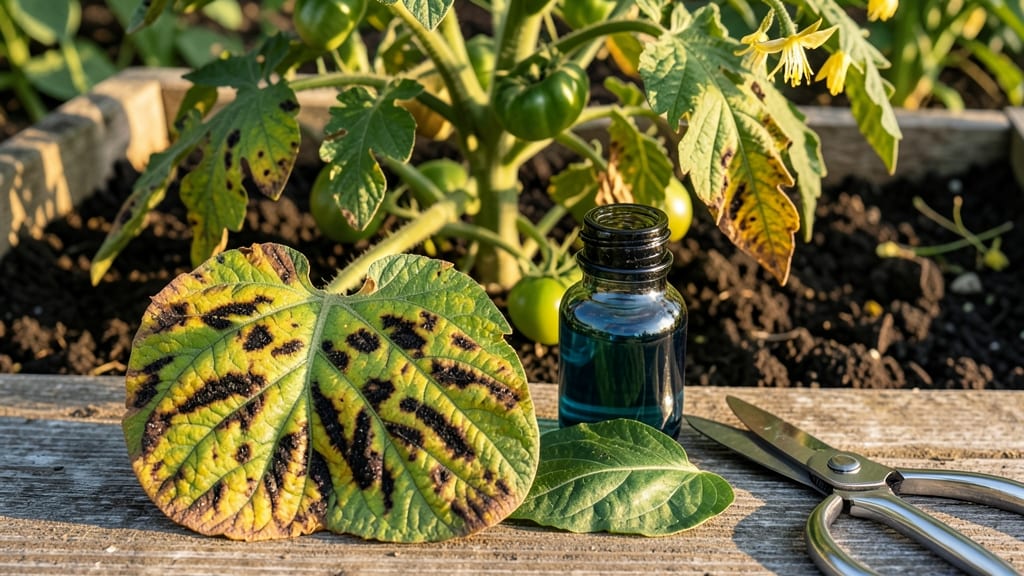
Black marks on plant leaves can turn your garden from lush to limp in days—unless you act fast. 🌱 I’ve seen this ruin entire seasons, but the right approach stops it dead in its tracks.
The key is identifying whether it’s fungal (like black spot or sooty mold), pest-related (aphids or spider mites), or something else entirely—because the fix changes completely depending on the cause.
Most people assume it’s overwatering, but fungal spots thrive in damp conditions, while chemical burns or nutrient deficiencies show up differently. The good news? You can reverse most cases in 3 days with the right steps—no harsh chemicals needed.
I’ll show you how to spot the difference between black spots, sticky residue (sooty mold), or even just dusty leaves hiding the real problem.
Start by isolating the affected plant to prevent spread, then treat with a mix of neem oil, baking soda, or copper fungicide, depending on the diagnosis. Within 72 hours, you’ll see new growth pushing out, and those ugly marks fading—if you catch it early.
The secret is acting before the plant’s energy gets drained completely.
This works for houseplants, container gardens, and in-ground beds alike. Whether it’s your prized roses, veggie plants, or ornamental shrubs, the same principles apply. Let’s get those leaves looking healthy again—no more guessing games.
Root Causes of Leaf Discoloration
Understanding why black marks appear on your plant leaves is the first step to treating—and preventing—them. These spots are rarely random; they’re usually a plant’s way of signaling distress.
Below, we break down the most common culprits, from microscopic invaders to environmental stressors, so you can diagnose the issue with confidence.
Fungi are the #1 cause of black spots on leaves, thriving in damp, humid conditions. Once established, they spread rapidly, often leaving behind circular or irregular dark patches with fuzzy edges.
- Common Fungal Offenders: - Anthracnose 🌱: Causes sunken, dark spots that may ooze sap. Thrives in wet foliage, especially on tomatoes, peppers, and roses. - Alternaria Leaf Spot 🍅: Produces small, concentric-ringed black spots with a gray center.
Loves high humidity and warm temperatures (ideal for basil, cucumbers, and beans). - Botrytis Blight (Gray Mold) 🍓: Creates soft, water-soaked spots that turn brown or black and develop a gray fuzzy coating. Common on strawberries, grapes, and dying flowers.
Why It Happens: Fungal spores lurk in soil, water, or old plant debris. When conditions are right—60-80°F temperatures, high humidity, and poor airflow—they germinate, penetrate leaf tissue, and feast on nutrients. Weakened plants (from stress, overwatering, or nutrient deficiencies) are prime targets.
Too much water doesn’t just waste resources—it creates the perfect breeding ground for pathogens and suffocates roots, leading to black, mushy spots (often on lower leaves first).
- Signs of Overwatering:
- Yellowing leaves with blackened edges.
- Wilting despite wet soil (roots can’t absorb oxygen).
- Foul-smelling soil (a red flag for rot).
Why It Happens: When soil stays soggy, oxygen is displaced, and roots suffocate. This stress triggers:
- Root Rot (from Phytophthora or Pythium fungi): Black, decaying roots spread upward, causing leaf discoloration.
- Bacterial Leaf Spot 🔬: Bacteria like Xanthomonas exploit waterlogged conditions, creating dark, water-soaked spots with yellow halos.
Pro Tip 💡: Stick your finger 1 inch into the soil before watering. If it’s damp, wait. Use well-draining pots and avoid saucers that trap excess water.
Some pests don’t just eat leaves—they leave behind black residue or introduce diseases that cause spots. Think of them as unwelcome roommates causing chaos.
- Top Culprits:
- Aphids 🐜: Excrete sticky honeydew, which attracts sooty mold (a black fungal film).
- Scale Insects 🛡️: Leave behind black, crusted shells and weaken plants, inviting fungal infections.
- Spider Mites 🕷️: While they don’t cause direct black spots, their feeding stress makes leaves susceptible to secondary infections.
Why It Happens: Pests damage leaf tissue, creating entry points for fungi and bacteria. Their waste products (like honeydew) also provide a food source for sooty mold, which coats leaves in a velvety black layer.
Extreme conditions or improper care can shock plants, leading to necrotic (dead) black spots.
- Heat Stress 🔥:
- Symptoms: Blackened, crispy leaf edges (especially in succulents or tropical plants).
- Why? High temperatures denature enzymes in leaves, causing cell death. Lack of humidity worsens it.
- Cold Damage ❄️:
- Symptoms: Black, water-soaked spots (common on tomatoes, peppers, or citrus).
- Why? Freezing temperatures rupture cell walls, leading to irreversible damage.
- Chemical Burns 🧴:
- Symptoms: Black or brown spots along leaf edges (from over-fertilizing or harsh pesticides).
- Why? Excess salts or chemicals disrupt osmosis, causing cells to burst.
While black spots are rarely caused directly by deficiencies, severe lack of nutrients weakens plants, making them vulnerable to other issues.
- Key Deficiencies to Check:
- Magnesium 🍃: Causes interveinal chlorosis (yellowing between veins) that can turn black if severe (common in houseplants like ferns).
- Potassium 💥: Leads to edge browning and weakens disease resistance.
- Iron 🩹: Black spots on new growth may indicate iron chlorosis (common in alkaline soils).
Why It Happens: Plants deprived of nutrients can’t produce chlorophyll efficiently, leading to cell death. Weakened leaves are easier targets for pathogens.
If your plants develop black spots only in certain areas (e.g., near a fence or after repotting), drift or contaminated soil could be the culprit.
- Common Toxins:
- Glyphosate drift (from weed killer): Causes blackened, twisted leaves within days.
- Heavy metals (like copper or zinc): Lead to necrotic spots if soil pH is off.
Why It Happens: Herbicides disrupt plant cell membranes, while toxic soil blocks nutrient uptake, leading to localized cell death.
Quick Fixes for Leaf Spots
Black marks on your plant leaves don’t have to be a death sentence—with the right approach, you can restore your greenery in just a few days! Below are targeted solutions for the most common causes, from fungal infections to environmental stressors.
Each fix is designed to be simple, fast, and effective, so you can get your plants back to their vibrant best without stress.
🔥 Act Fast—Fungal spots spread quickly if left untreated!
🧴 Step 1: Isolate & Prune
- Remove infected leaves with clean, sharp scissors (sterilize with rubbing alcohol).
- Dispose of them in the trash (not compost)—fungi can survive in soil.
- Space plants apart to improve airflow (fungi thrive in humidity).
🍳 Step 2: Apply Fungicide (Natural or Store-Bought)
| Option | How to Use | Prevention Tip |
|---|---|---|
| Baking Soda Spray | Mix 1 tsp baking soda + 1 quart water + a few drops of dish soap. Spray leaves every 7–10 days. | Spray early morning to let leaves dry. |
| Neem Oil | Combine 1 tbsp neem oil + 1 tsp mild soap + 1 quart water. Spray weekly until spots fade. | Test on 1 leaf first—neem can burn sensitive plants. |
| Copper Fungicide | Follow label instructions (usually 1–2 sprays, then repeat in 7–10 days). | Rotate with neem oil to avoid resistance. |
🌡️ Step 3: Adjust Growing Conditions
- Water at the base (not overhead) to keep leaves dry.
- Water in the morning so foliage dries by night.
- Increase airflow with a small fan (fungi love stagnant air).
🔥 Too much sun? These brown, crispy spots are often sun damage.
👨🍳 Step 1: Move or Shade Your Plant
- Gradually acclimate indoor plants to sunlight (start with 2–3 hours/day).
- Use sheer curtains or a light shade cloth for outdoor plants.
- Rotate pots weekly so all sides get even light exposure.
🥘 Step 2: Hydrate & Protect
- Water deeply when the top inch of soil is dry (sun-stressed plants need more H₂O).
- Mist leaves (especially for tropical plants) to prevent wilting.
- Avoid fertilizing—sunburned plants are stressed and can’t absorb nutrients well.
🔥 Tiny pests leave black sooty mold—but the real damage is their saliva!
🔪 Step 1: Blast Off Pests
- Spray with soapy water (1 tsp mild soap + 1 quart water). Repeat every 3–4 days.
- Use insecticidal soap or horticultural oil for stubborn infestations.
- Introduce beneficial insects (ladybugs or lacewings) for organic control.
⏰ Step 2: Clean & Prevent
- Wipe leaves with a damp cloth to remove honeydew (the sticky mess pests leave).
- Quarantine new plants for 2 weeks before introducing them to your garden.
- Remove weeds—they harbor pests that jump to your prized plants.
- 🌡️ Monitor humidity—use a hygrometer (ideal range: 40–60% for most plants).
- ✨ Sterilize tools—clean pruners with rubbing alcohol between plants.
- 🎯 Rotate crops if growing in containers—don’t replant in the same soil without freshening it.
- 🍃 Boost plant health—feed with balanced fertilizer (like 10-10-10) to build resistance.
Remember: Consistency is key! Check your plants daily for new spots, and act at the first sign of trouble. With these fixes, your leaves will be spot-free in no time—and your plants will thank you with lush, happy growth! 🌿✨
Frequently asked questions
Are black marks on leaves always a sign of disease?
Not necessarily! While fungal infections like black spot or sooty mold are common causes, black marks can also result from pest damage (like aphids leaving sticky residue), environmental stress (sunburn or frost damage), or even dust buildup that hides the true issue. Always check for other symptoms like yellowing, wilting, or sticky substances before assuming it’s a disease.
How do I tell if black spots are fungal vs. pest-related?
Fungal spots usually appear as dark, circular patches with fuzzy edges (like black spot) or a velvety black coating (sooty mold from pests). Pest-related marks often have sticky residue (honeydew) or tiny bugs nearby. Hold a white paper under the leaf—if black dust rubs off, it’s likely sooty mold from aphids or scale insects.
Can I save a plant with severe black spots?
It depends! If the spots are fungal or bacterial, prune infected leaves immediately and treat with neem oil or copper fungicide. For sunburn or chemical damage, move the plant to shade and avoid fertilizing. If more than 50% of the leaves are affected, the plant may not recover—start fresh with healthy cuttings or new plants.
Why do my houseplants keep getting black spots even after treatment?
Persistent spots often mean underlying issues like poor airflow, overwatering, or weak immunity. Check your care routine: Are you watering from the top? Is humidity too high? Try sterilizing soil (bake at 200°F for 30 minutes), repotting with fresh mix, and using a small fan to improve circulation. Rotate plants weekly for even light exposure too.
Is it safe to compost leaves with black spots?
No—composting infected leaves spreads spores or pests to other plants. Toss severely affected foliage in the trash (sealed bag). For mildly spotted leaves, burn them (if safe) or double-bag them before disposal. Always sterilize pruners with rubbing alcohol between cuts to prevent cross-contamination.