
Planting
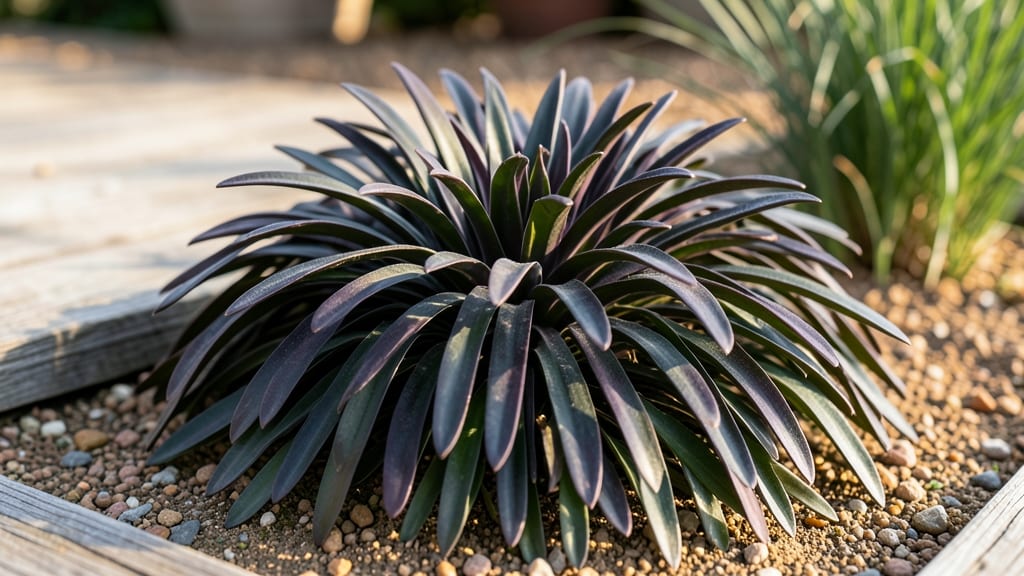
The black sedum plant transforms any garden into a dramatic dark-green oasis that stays lush even when summer wilts other plants. 🌿 I’ve grown it for years—it’s the only ground cover that thrives in full sun, drought, and even urban heat islands without a single complaint.
The deep purple-black foliage looks like velvet underfoot, and it spreads effortlessly to crowd out weeds. This plant is foolproof once you understand its three core needs: well-draining soil, minimal water, and full sun.
Skip the fancy amendments—it grows just as well in rocky soil as it does in amended beds. The key is planting it in late spring after the last frost, when roots can establish before summer’s intensity.
By midsummer, you’ll have a thick, impenetrable mat of foliage that stays vibrant through fall and often into winter. The tiny yellow flowers in late summer add a subtle pop of color, but the real star is the foliage’s rich, almost-black hue that makes it a standout in any landscape.
It’s perfect for slopes, between stepping stones, or as a dramatic border. Even in containers, it stays compact and drought-tolerant. Here’s how to get started without killing it in the first try.
📚 In This Guide
- What you need
- Instructions
- Tips and common mistakes
- Wrapping up and next steps
What you need
- ● Black sedum plants: 3–5 nursery-grown plants (for a 10-foot spread)
- ● OR 100+ seeds (if starting from scratch—patience required!)
- ● Well-draining soil: Native soil amended with 1 part perlite or coarse sand per 2 parts garden soil (critical for preventing root rot!)
- ● pH range: 6.0–7.5 (neutral to slightly acidic)
- ● Sunlight access: Full sun (6+ hours daily) for optimal color and growth
- ● Watering can or hose with a gentle spray nozzle
- ● Garden trowel or hand shovel (for digging)
- ● Gloves (to protect your hands from prickly stems)
- ○ Mulch (optional): 2–3 inches of gravel or pine bark to retain moisture and suppress weeds
- ○ Fertilizer (optional): Balanced 10-10-10 fertilizer (apply lightly in spring)
- ● Pruners (for maintenance)
How to plant and maintain black sedum for year-round beauty
This hardy ground cover spreads effortlessly and handles heat like a champ—here’s how to get it thriving in your landscape.
🌱 Step 1: Choose the Right Location and Prepare the Soil
Black sedum (Sedum 'Black Jack') loves sun and tolerates poor soil, but it grows best in full sun to partial shade with 6+ hours of direct light daily. Scan your yard for spots where other plants struggle—this is where black sedum will shine. Avoid low-lying areas where water pools, as it hates soggy roots.
Loosen the top 6 inches of soil with a garden fork or tiller to break up compaction. Mix in 2-3 inches of compost (if unavailable, skip this—sedum thrives in lean soil) to improve drainage. The goal is loose, crumbly soil that lets excess water drain quickly. Test your spot by digging a small hole: if water sits instead of draining within 10 minutes, amend with more organic matter or plant in a raised bed.
🪴 Step 2: Space Plants Properly for Full Coverage
For 4 plants, space them 12-18 inches apart in rows 18 inches apart to allow room for spreading. Dig holes just deep enough to accommodate the root ball—sedum roots should sit at the same depth they were in the nursery pot. Gently remove plants from their containers and tease apart any circling roots with your fingers.
Place each plant in its hole and backfill with soil, pressing lightly around the base to eliminate air pockets. Water immediately to settle the soil and encourage root contact. Here’s the thing—black sedum spreads aggressively, so if you want a contained look, install an edging barrier 6 inches deep around the perimeter. Without one, it’ll eventually fill in a 3-foot-wide swath in its first growing season.
☀️ Step 3: Water Deeply and Establish a Low-Maintenance Routine
Water deeply once per week during the first 4-6 weeks to help roots establish. You’ll know it’s time when the top 2 inches of soil feel dry to the touch. After that, black sedum is drought-tolerant—water only when leaves begin to pucker or the soil is bone-dry 4+ inches deep. Overwatering is the #1 killer of sedum; it rots in soggy conditions.
Apply a 1-inch layer of mulch (like pine straw or gravel) around plants, keeping it 2 inches away from stems to prevent rot. Mulch conserves moisture and regulates soil temperature. In summer, black sedum’s deep purple-black foliage will contrast beautifully with surrounding plants, but don’t fertilize—it thrives in poor soil and too much nitrogen makes leaves lose their rich color.
✂️ Step 4: Prune and Maintain for Year-Round Appeal
In early spring, trim back any dead or leggy growth with clean pruners. Cut stems back to 2-3 inches above the ground to encourage bushier growth. This is also the time to divide plants if they’ve outgrown their space—dig up clumps, separate into sections with roots attached, and replant. Black sedum handles division like a champ, and you’ll end up with more plants for free.
Remove spent flower stalks in late summer to keep the plant looking tidy. Unlike some sedums, 'Black Jack' rarely produces showy blooms, but its foliage is the star. In winter, the plant may turn brown but stays evergreen in mild climates. If your area gets hard freezes, the foliage may die back, but new growth emerges in spring—no need to prune until then.
🌿 Step 5: Prevent Pests and Diseases Naturally
Black sedum is pest-resistant, but watch for aphids or spider mites if your garden attracts them. Blast off pests with a strong spray of water or use insecticidal soap if needed. The plant’s thick, succulent leaves make it tough to overrun. For fungal issues (rare but possible in humid climates), improve airflow by spacing plants slightly wider and avoid overhead watering.
Real talk: black sedum’s dark foliage attracts heat, so in extreme summer conditions, leaves may scorch slightly. To prevent this, provide afternoon shade with a sheer fabric shade cloth or plant it where it gets morning sun and afternoon relief. With proper placement, though, this ground cover will reward you with year-round drama and minimal effort.
Tips & tricks for perfect black sedum planting
Here's what nobody tells you about getting this heat-loving ground cover to thrive without the guesswork.
Soil Test Tip: Before planting, do this quick test—dig a small hole in your chosen spot and fill it with water. If the water drains completely within 10 minutes, you're golden. If it sits longer, amend with coarse sand or plant in a raised bed. Black sedum's roots need that fast drainage to avoid rot, and this simple test saves you from soggy soil surprises.
Planting Depth Secret: The root ball should sit at exactly the same depth it was in the nursery pot. Too deep and roots suffocate; too shallow and plants topple. I learned this the hard way after watching sedum flop over in my first planting. Use a reference mark on the pot or a stick to measure depth before planting all four plants.
Mulch Placement Matters: That 1-inch layer of mulch should stay 2 inches away from stems to prevent rot. I see people pile mulch right against plants all the time, and it creates the perfect conditions for fungal issues. Think of it like a donut—cover the soil but leave a clear ring around each plant's base.
Heat Management Hack: If your summer temps hit 95°F+, provide afternoon shade with a sheer fabric shade cloth (like 30% shade cloth) rather than full shade. Black sedum still needs that sun to maintain its rich color, but afternoon relief prevents leaf scorch. You'll notice the difference in just a few weeks—plants stay vibrant instead of turning brown.
Pro Tips for Black Sedum Plant
- Here's what nobody tells you about getting this heat-loving ground cover to thrive without the guesswork.
- Soil Test Tip: Before planting, do this quick test—dig a small hole in your chosen spot and fill it with water.
- Planting Depth Secret: The root ball should sit at exactly the same depth it was in the nursery pot.
Frequently asked questions
Got questions about growing and caring for black sedum? You’re not alone! Here are some of the most common queries—plus quick, actionable answers to keep your plants lush and thriving.
How much sunlight does black sedum need to stay healthy?
Black sedum (Sedum ‘Black Jack’) is a sun-lover! Aim for 6–8 hours of direct sunlight daily for the richest color and compact growth. While it tolerates partial shade (4–6 hours), expect slower growth and less vibrant foliage. In extreme heat (above 90°F), provide light afternoon shade to prevent scorching.
Can black sedum survive winter in cold climates?
This hardy perennial thrives in USDA Zones 4–9 and handles frost like a champ. For extra protection in Zone 4 or colder, mulch with 2–3 inches of shredded leaves or straw after the first hard freeze. It may turn brown in winter but rebounds quickly in spring.
Why is my black sedum turning yellow or losing color?
Yellowing or pale leaves usually signal overwatering, poor drainage, or nutrient deficiencies. Check soil moisture—black sedum hates soggy roots! Ensure pots or garden beds have gravel or sand mixed into soil for drainage. A balanced fertilizer (10-10-10) in early spring can revive vibrancy.
How do I propagate black sedum from cuttings?
Propagation is super easy! Snip healthy stems (4–6 inches long) in spring or early summer, remove lower leaves, and let them callus for 1–2 hours. Dip in rooting hormone (optional), then plant in well-draining soil. Keep lightly moist (not soggy) until roots form in 2–4 weeks.
What are some low-maintenance alternatives to black sedum?
If you love black sedum’s drought tolerance and drama, try these tough ground covers:
- ‘Dragon’s Blood’ Sedum – Deep red foliage, similar care.
- ‘Angelina’ Sedum – Golden-orange, thrives in heat.
- Creeping Thyme – Fragrant, drought-proof, and pollinator-friendly.
- Ice Plant (Delosperma) – Succulent-like, blooms in summer.
Pro tip: Mix these with black sedum for a textured, low-water landscape!
Wrapping up and next steps
The black sedum plant is a stunning, low-maintenance ground cover that brings year-round beauty to your garden with its deep burgundy foliage and drought-resistant charm. Whether you're drawn to its bold color, resilience in heat, or ease of care, this plant is a game-changer for sunny landscapes.
Ready to transform your outdoor space? Start by selecting the perfect spot—then grab your gloves and get planting!
🌱 Pro tip: Share your progress with fellow plant lovers—inspiration spreads like wildfire!