
Planting
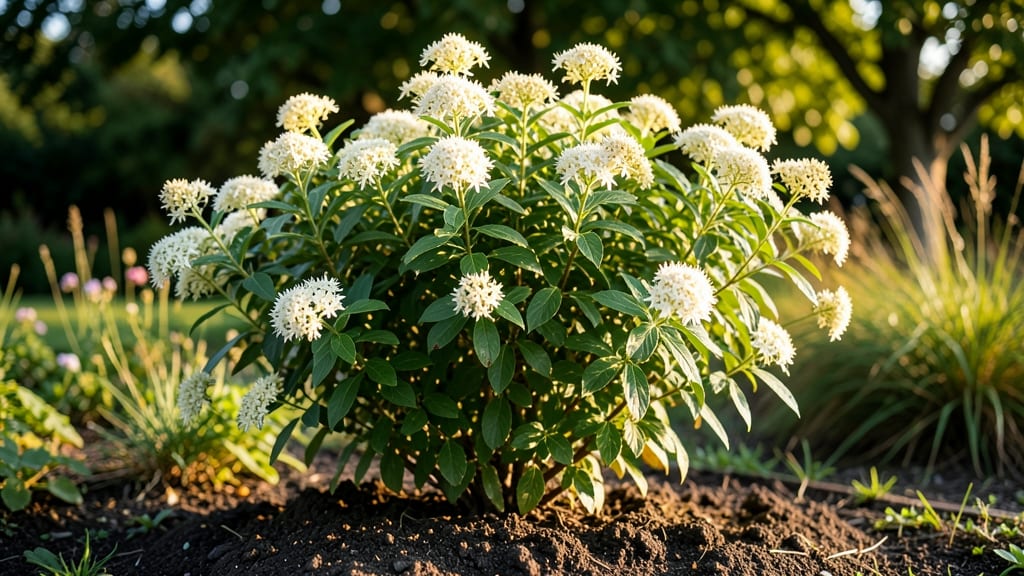
Growing the Japanese meadowsweet plant means fragrant white clouds in your shadiest corner. 🌿 This drought-tolerant beauty thrives where most perennials struggle, and its delicate blooms last from summer through fall. My first plant spread so aggressively I had to divide it—now it’s the backbone of my woodland garden.
The secret to happy meadowsweet? Well-draining soil and partial shade. It handles dry spells better than most shade plants, but too much sun scorches its leaves. Prune back stems after flowering to keep it tidy and encourage next year’s blooms—just don’t cut into old wood.
You’ll love how effortlessly it pairs with ferns, hostas, and astilbes. The fragrance alone makes it worth growing, but the low-maintenance nature seals the deal. Even my black thumb keeps this one alive.
Perfect for USDA zones 4-8, it adapts to everything from city gardens to wild meadows. Here’s how to make yours thrive from start to finish.
📚 In This Guide
- What you need
- Instructions
- Tips and common mistakes
- Wrapping up and next steps
What you need
- ● Japanese Meadowsweet plant: 1–3 nursery-grown plants (3–4 ft tall, mature size) or
- ● Seeds (fresh, from a reputable supplier) or
- ● Hardwood cuttings (6–8 inches long, taken in late winter/early spring)
- ● Well-draining soil: Mix of 50% garden soil, 30% compost, and 20% perlite or coarse sand (pH 5.5–6.5).
- ● Container or garden bed: For containers: 12–15-inch diameter pots with drainage holes (1 plant per pot).
- ● For in-ground planting: Partial to full shade (dappled sunlight ideal) with 6+ feet of spacing between plants.
- ● Organic mulch: 2–3 inches of shredded bark or wood chips to retain moisture and suppress weeds.
- ● Watering can or hose with a gentle spray nozzle.
- ○ Fertilizer (optional but helpful): Balanced 10-10-10 or slow-release organic fertilizer (apply in early spring).
- ● Essential: Garden trowel or transplanting spade
- ● Pruning shears (sterilized with rubbing alcohol)
- ● Gloves (to protect from thorns and soil)
- ● Helpful: pH testing kit (to check soil acidity)
- ● Soil moisture meter (for container growing)
- ● Plant support stakes (if growing in windy areas)
- ● 📅 Best planting time: Early spring (March–April) or early fall (September–October) for nursery plants. Seeds need stratification (cold treatment) for 2–3 months before sowing.
- ● 🌦️ Climate: Hardy in USDA Zones 5–8 (survives temperatures down to -20°F/-29°C).
- ● 🚫 Avoid: Waterlogged soil (roots rot easily!) and full sun (can scorch leaves).
Step-by-Step instructions for planting and caring for Japanese meadowsweet
This shade-loving beauty thrives with minimal fuss—just follow these steps for fragrant blooms all season.
🌱 Step 1: Select the Perfect Planting Location
Japanese meadowsweet (Spirea japonica) thrives in partial to full shade, making it ideal for under trees or along north-facing walls. Choose a spot with 4-6 hours of dappled sunlight daily—direct afternoon sun can scorch delicate foliage. The soil should drain well but retain moisture; if your garden has heavy clay, amend with 2-3 inches of compost before planting.
Here's the thing—this plant tolerates wet soil better than most, so low spots or areas with seasonal waterlogging work perfectly. Avoid windy sites; the airy stems can flop without support. I like to plant mine near seating areas so I can enjoy the vanilla-like fragrance of the blooms up close.
🪴 Step 2: Plant at the Right Depth and Spacing
Dig a hole twice as wide as the root ball but only as deep—planting too deep suffocates the crown. Gently remove the plant from its container and loosen any circling roots with your fingers. Japanese meadowsweet grows 3-5 feet tall and wide, so space plants 3-4 feet apart for full, lush growth. If planting in groups, arrange them in odd-numbered clusters for natural balance.
Backfill the hole with native soil mixed with 1 cup of compost per plant. Press gently around the base to eliminate air pockets, then water deeply to settle the soil. You'll see the first flush of white, lacecap flowers emerge in late spring to early summer, but proper planting now ensures stronger stems for next year's blooms.
☀️ Step 3: Water and Mulch for Optimal Growth
Water deeply once a week during the first growing season, ensuring moisture reaches 6 inches down—this encourages deep root development. After establishment, Japanese meadowsweet becomes drought-tolerant, but the soil should never dry out completely. Check by sticking your finger 2 inches into the soil; if it feels dry, it's time to water.
Spread 2-3 inches of mulch (shredded bark or pine needles work well) around each plant, keeping it 3 inches away from the stem to prevent rot. Mulch conserves moisture and regulates soil temperature, which is especially helpful in hot climates. I top-dress with fresh mulch each spring—this simple step keeps weeds down and roots cool.
✂️ Step 4: Prune for Shape and Encourage More Blooms
Prune right after flowering (late summer) to shape the plant and remove any dead or crossing branches. Use clean, sharp pruners to cut back one-third of the oldest stems at the base—this rejuvenates growth and prevents woody centers. Avoid heavy pruning in fall or winter, as the plant needs foliage to store energy for spring.
Real talk: If you skip pruning, your meadowsweet will still bloom, but the center may become sparse. I like to step back and assess the shape—aim for a rounded, layered look that showcases the cascading flower clusters. Divide mature plants every 3-4 years in early spring if they outgrow their space; dig up the clump, separate the roots, and replant immediately.
🌿 Step 5: Maintain Through Seasons for Long-Term Beauty
In spring, fertilize lightly with a balanced, slow-release fertilizer (10-10-10) to support new growth. Japanese meadowsweet isn't a heavy feeder, so avoid overdoing it—too much nitrogen promotes leafy growth at the expense of flowers. Water sparingly during fall, allowing the soil to dry slightly between waterings to prepare for dormancy.
Watch for powdery mildew in humid climates—this fungal issue appears as white dust on leaves. Improve airflow by thinning crowded stems and apply neem oil if needed. The good news? This plant rarely has pests, making it a low-maintenance star for shade gardens. With proper care, your meadowsweet will reward you with fragrant blooms for decades—mine has been thriving in the same spot for over 10 years.
Tips & tricks for perfect Japanese meadowsweet planting
Between us, these small details make all the difference when growing fragrant meadowsweet that thrives year after year.
Soil Preparation Secret: The 2-3 inches of compost mentioned in Step 1 isn't just about nutrients—it's about creating the perfect moisture-retentive environment this plant craves. For heavy clay soils, mix in 1 part perlite to 3 parts compost to improve drainage while maintaining that moisture retention. I've seen plants struggle in pure clay because water pools instead of draining properly. Test your soil's moisture by squeezing a handful—it should hold together but not be sticky.
Planting Depth Visual: When planting at the correct depth (same level as root ball), look for the soil line where the stem meets the roots. This is your reference point—planting too deep buries the crown and suffocates it, while planting too shallow exposes roots to drying. I use a small stake to mark the correct depth before removing the plant from its container, then adjust the hole accordingly. This simple trick prevents the most common planting mistake gardeners make.
Mulch Placement Matters: The 2-3 inches of mulch in Step 3 should form a doughnut shape around the plant, with the center 3 inches away from the stem. This creates a moisture barrier while preventing stem rot. I use a 1-inch layer of coarse gravel in the center (optional) to further protect against rot while still allowing water penetration. In hot climates, apply mulch in early spring to give the soil time to warm before planting.
Pruning Timing Insight: That late summer pruning in Step 4 is crucial for next year's blooms. Look for stems that have already finished flowering—these are safe to cut back. I use a small white flag tied to stems that are still blooming as a visual reminder of which ones to leave. This method helps me avoid accidentally pruning off next year's flower buds, which can happen if you're not careful about timing.
Pro Tips for Japanese Meadowsweet Plant
- Between us, these small details make all the difference when growing fragrant meadowsweet that thrives year after year.
- Soil Preparation Secret: The 2-3 inches of compost mentioned in Step 1 isn't just about nutrients—it's about creating the perfect moisture-retentive environment this plant craves.
- Planting Depth Visual: When planting at the correct depth (same level as root ball), look for the soil line where the stem meets the roots.
Frequently asked questions
When is the best time to plant Japanese Meadowsweet?
The ideal time to plant Japanese Meadowsweet is in early spring or early fall. This gives the roots time to establish before extreme summer heat or winter cold. Avoid planting in late summer—it may struggle to root before dormancy.
Why aren’t my Japanese Meadowsweet flowers opening?
If your plant is producing buds but no blooms, it could be due to too much shade, over-fertilizing (especially with nitrogen), or stress from drought. Try moving it to partial shade with morning sun and reduce fertilizer. Prune spent blooms to encourage new growth!
Can I grow Japanese Meadowsweet in containers?
Yes! This plant thrives in containers if you use well-draining soil and a pot at least 12–18 inches wide. Choose a container with drainage holes, and repot every 2–3 years to refresh the soil. Just keep it sheltered from harsh winds.
Are Japanese Meadowsweet plants deer-resistant?
While not fully deer-proof, Japanese Meadowsweet is less appealing to deer than many other shrubs. For extra protection, apply a deer repellent spray or plant it near deer-deterrent herbs like lavender or rosemary.
How do I overwinter Japanese Meadowsweet in cold climates?
This hardy plant (zones 5–8) usually needs no special winter care, but in extreme cold or windy areas, mulch the base with 2–3 inches of shredded bark or leaves. Avoid heavy mulch—it can suffocate roots. Prune back dead stems in early spring.
Wrapping up and next steps
The Japanese meadowsweet plant is a fantastic choice for gardeners seeking fragrant, low-maintenance beauty—especially in shady spots! 🌿 With its delicate white blooms and hardy nature, it brings effortless charm to any landscape while thriving in partial shade.
Whether you're a beginner or a seasoned gardener, this plant offers rewarding results with minimal fuss.
Ready to elevate your garden? Grab your supplies, follow the steps, and watch your shady corners bloom with elegance. Start planting today—your garden will thank you! 🌸