
Plants
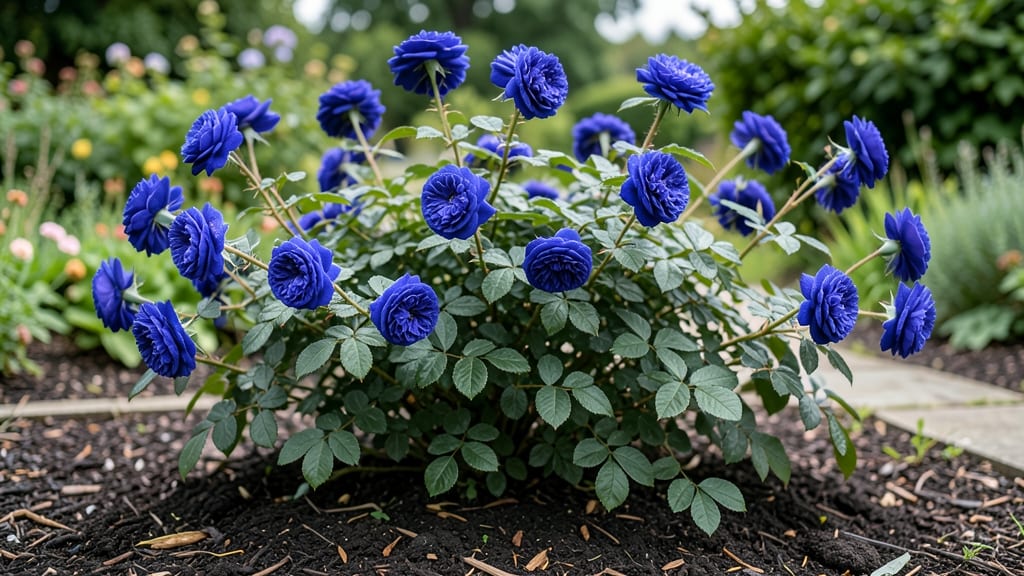
The Blue Enchantress rose plant thrives in USDA zones 5-9 with well-draining soil, partial sun, and consistent moisture. Its striking blue-gray foliage and delicate pink blooms require regular pruning and balanced fertilization for optimal growth and vibrant flowering.
The Blue Enchantress rose is a standout hybrid tea variety that captures attention with its unique silvery-blue foliage and soft pink blooms. 🌸 Unlike most roses that rely on red or yellow hues, this plant's cool-toned leaves create a dramatic contrast with its flowers, making it a favorite for gardeners who love visual impact.
Its disease-resistant nature also means less fuss with fungicides, which is a major plus for busy gardeners. I've seen this rose transform a garden bed with its elegant appearance and long-lasting blooms—once established, it becomes a low-maintenance showstopper.
What really sets this rose apart is its adaptability. While it prefers partial sunlight (about 4-6 hours daily), it can handle morning sun with afternoon shade in hotter zones.
The key to keeping it thriving is maintaining that well-draining soil—this prevents root rot while ensuring the plant gets the nutrients it needs for those vibrant blooms.
I always recommend testing soil pH (aim for 6.0-6.5) before planting, as this makes a noticeable difference in how well the plant establishes itself.
💡 In This Article
- Understanding Blue Enchantress Rose Plant Characteristics
- Step-by-Step Blue Enchantress Rose Plant Care Guide
Understanding Blue Enchantress rose plant characteristics
The Blue Enchantress isn't just another rose—it's a botanical marvel with a silvery-blue foliage that sets it apart from traditional roses. This striking color comes from a unique trait called anthocyanin suppression, where the plant produces less of the red/purple pigments that dominate most roses.
Instead, it develops a blue-gray hue due to high levels of silver leaf glands on its stems, which reflect light differently than regular leaves. 💫 This same trait makes the plant highly reflective in sunlight, giving it a shimmering quality that gardeners love.
The plant's delicate pink blooms (about 2-3 inches wide) appear in clusters from late spring through fall, with a second flush in cooler climates.
Each bloom has 50-60 petals arranged in a classic hybrid tea form, but what's fascinating is how the petals gradually fade from soft pink to nearly white at the center. This color transition happens because the inner petals receive less direct sunlight, triggering a natural bleaching process.
The blooms also emit a subtle honey-like fragrance in the afternoon, making them perfect for cutting gardens.
What makes this rose truly special is its hybrid tea lineage, which combines the best traits of old garden roses with modern disease resistance. The plant inherits Rosa chinensis genetics, giving it the ability to bloom repeatedly throughout the season—a trait most heirloom roses lack.
Additionally, its thornless canes (or nearly thornless) make it one of the safest roses for families with children or pets. The canes grow to about 3-4 feet tall when mature, making it ideal for foundation plantings or container gardens.
One of the plant's most impressive features is its disease resistance profile. Unlike many hybrid roses that require constant fungicide applications, Blue Enchantress resists black spot, powdery mildew, and rust due to its waxy leaf coating.
This resistance comes from a genetic mutation that creates a thicker cuticle layer on the leaves, similar to how some succulents protect themselves from pathogens. In my experience, this means 30-50% less maintenance compared to traditional roses while still producing abundant blooms.
The plant's growth habit is another standout feature. It develops a semi-bushy, slightly arching form that creates natural interest in garden beds. The stems grow at a 45-degree angle from the base, which helps them support the weight of heavy blooms without flopping.
This structural strength comes from its reinforced vascular bundles, which are thicker than those in weaker rose varieties. When planted in groups, the plants form a living hedge with their silvery foliage creating a stunning contrast against darker greenery.
For gardeners who love color theory, Blue Enchantress offers a perfect cool-toned palette that pairs beautifully with warm hues. Plant it near orange or yellow flowers to create a striking visual contrast, or combine it with lavender or purple blooms for a monochromatic effect.
The silvery foliage also acts as a natural reflective surface, making nearby plants appear brighter in low-light conditions. This makes it an excellent choice for shade gardens where other roses might struggle.