
Planting
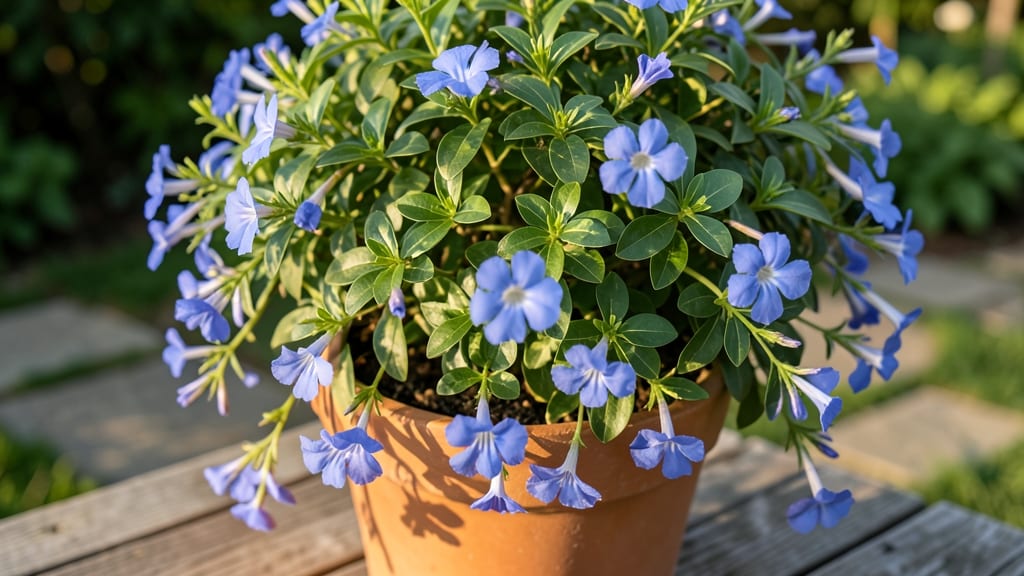
Caring for the blue plumbago plant means drought-proof summer blooms with almost no effort. 🌿 I’ve grown these striking blue flowers in full sun for years, and they reward you with vibrant color while barely touching the watering can—once established, they thrive on neglect.
The secret lies in understanding their love for heat, well-draining soil, and occasional pruning to keep them compact and flowering.
This plant is a dream for hot climates—it handles 100°F temperatures with ease and even tolerates poor soil as long as it drains well. Water deeply but infrequently (about once a week in summer), and you’ll avoid the root rot that plagues overwatered plants.
The key is mimicking its natural habitat: dry, rocky slopes where water disappears fast.
By mid-summer, you’ll have nonstop blue blooms from spring to frost, with minimal upkeep. The flowers attract pollinators, and the glossy green leaves stay lush even in dry spells. Prune back in early spring to encourage fresh growth, and you’ll get bushier plants with even more flowers.
Perfect for containers, hanging baskets, or garden beds—just avoid frost, and it’ll reward you with years of effortless color. Here’s how to keep yours thriving all season long.
📚 In This Guide
- What you need
- Instructions
- Tips and common mistakes
- Wrapping up and next steps
What you need
- ● Blue plumbago plant: 1 healthy nursery-grown plant (check for vibrant blue flowers and sturdy stems).
- ● Well-draining potting mix: 3–5 gallons (or enough to fill your container). Use a blend of cactus/succulent mix (60%) and perlite or coarse sand (40%) for optimal drainage.
- ● Container or garden bed: For containers: 1–2 gallon pot with drainage holes (minimum 12" diameter for mature plants).
- ● For in-ground planting: A sunny spot with at least 6 hours of direct sunlight and loose, well-draining soil.
- ● Watering can or hose: With a gentle spray nozzle to avoid disturbing the soil.
- ● Balanced fertilizer: 10-10-10 or 20-20-20 (diluted to half-strength). Use sparingly—once every 4–6 weeks during growing season.
- ● Pruning shears: For trimming leggy stems or deadheading spent blooms.
- ● Mulch (gravel or pebbles): To retain moisture and prevent soil splatter on leaves.
- ● pH testing kit: Ideal soil pH for blue plumbago is 6.0–7.5 (slightly acidic to neutral).
- ● Support stake or trellis: If growing in a container or small space (plants can reach 3–6 feet tall).
Step-by-Step guide to thriving blue plumbago in your garden
This drought-tolerant beauty loves heat and sunshine—here’s how to keep it blooming effortlessly.
🌱 Step 1: Choose the Perfect Planting Spot
Blue plumbago thrives in full sun, so pick a location with at least 6-8 hours of direct sunlight daily. I always check for afternoon shade—if your area gets intense midday heat, a spot with light afternoon shade works too. The plant tolerates heat well but appreciates some relief during the hottest hours.
Well-draining soil is critical—this is not a plant for soggy conditions. If your soil is heavy clay, amend it with 2-3 inches of coarse sand or gravel mixed into the top 12 inches of soil. You’ll see the difference immediately: plumbago planted in poor drainage wilts quickly, while the right soil keeps it thriving.
☀️ Step 2: Plant at the Right Depth and Spacing
Dig a hole twice as wide as the root ball but no deeper—planting too deep suffocates the roots. Gently remove the plant from its container and loosen any circling roots with your fingers. Place it in the hole so the top of the root ball sits level with the surrounding soil—this prevents rot from water pooling at the stem.
Space plants 3-4 feet apart for optimal airflow. Crowding leads to fungal issues and weaker blooms. I like to add a 1-inch layer of gravel around the base to improve drainage further. Water deeply right after planting to settle the soil and eliminate air pockets.
💧 Step 3: Master the Watering Routine
Blue plumbago is famously drought-tolerant once established, but the key is deep, infrequent watering. Water once a week during the first growing season, letting 1-2 inches of soil dry out between waterings. You’ll know it’s time when the top 2 inches of soil feel dry to the touch—stick your finger in to check.
Once established, reduce watering to every 2-3 weeks unless your area experiences extreme heat or drought. Overwatering is the fastest way to kill this plant—yellowing leaves or wilting despite moist soil means you’re watering too often. Mulch with 2-3 inches of organic mulch (like bark chips) to retain moisture and regulate soil temperature.
✂️ Step 4: Prune for Bushier Growth and More Blooms
Prune in early spring before new growth begins. Cut back one-third of the plant’s height to encourage dense, bushy growth. Use clean, sharp pruners to make cuts just above a leaf node—this is where new branches will sprout. I always wear gloves; plumbago’s leaves can be slightly prickly.
Deadhead spent blooms regularly throughout the season to encourage continuous flowering. Pinch off faded flowers at the base with your fingers—no tools needed. This simple step keeps the plant looking tidy and prevents seed formation, which diverts energy away from blooming. You’ll see a surge of new flowers within 2-3 weeks of consistent deadheading.
🌿 Step 5: Protect and Maintain Through Seasons
In winter, blue plumbago goes dormant in colder climates (below 20°F). Cut back the foliage to 2-3 inches above the ground and cover with 4-6 inches of mulch to insulate the roots. In milder climates, it may stay green year-round with minimal care—just reduce watering to once a month during dormancy.
Fertilize lightly in early spring with a balanced, slow-release fertilizer (10-10-10). Avoid heavy feeding—plumbago prefers lean soil and over-fertilizing leads to lush foliage but fewer blooms. Watch for pests like aphids; a strong spray of water usually dislodges them. If you see yellowing leaves, check for powdery mildew and improve airflow by thinning nearby plants.
Tips & tricks for perfect blue plumbago plant care
Between us, these small details make all the difference between a struggling plant and one that thrives effortlessly. Here's what nobody tells you about keeping your blue plumbago happy.
Soil Test First: Before amending your soil with the 2-3 inches of coarse sand or gravel mentioned in Step 1, do a simple DIY test: dig a small hole, fill it with water, and observe how quickly it drains. If water remains after 30 minutes, you definitely need the amendment. I've seen plumbago wilt dramatically in clay soil within days—this test saves weeks of frustration.
Pruning Precision: When cutting back one-third of the plant's height in Step 4, focus on removing the oldest, leggiest stems first. These are the branches that produce the fewest flowers and take up valuable energy. I always prune on a dry morning when the plant is fully hydrated—this reduces stress and prevents disease entry points. The leaf nodes you're cutting above are like growth signals for new branches.
Winter Protection Hack: For the 4-6 inches of mulch in colder climates, use straw instead of bark chips. Straw provides better insulation and breaks down more slowly, keeping roots warmer longer. I've seen plumbago survive winters as low as 15°F with this method—just make sure to remove the mulch in early spring before new growth begins to prevent rot.
Pro Tips for Blue Plumbago Plant Care
- Between us, these small details make all the difference between a struggling plant and one that thrives effortlessly.
- Soil Test First: Before amending your soil with the 2-3 inches of coarse sand or gravel mentioned in Step 1, do a simple DIY test: dig a small hole, fill it with water, and observe how quickly it drains.
- Pruning Precision: When cutting back one-third of the plant's height in Step 4, focus on removing the oldest, leggiest stems first.
Frequently asked questions
about blue plumbago plant care—because even the hardiest plants need a little extra love! Here are answers to the most common questions to keep your Ceratostigma plumbaginoides thriving.How cold-hardy is blue plumbago?
Blue plumbago is perennial in USDA Zones 6-9 and can handle light frosts down to 10°F (-12°C). In colder zones, grow it as an annual or protect it with mulch. If winter damage occurs, prune back dead growth in early spring—new growth will bounce back!
Why are my blue plumbago leaves turning yellow?
Yellowing leaves usually signal overwatering or poor drainage. This drought-tolerant plant prefers well-draining soil and hates soggy roots. Let the top inch of soil dry out between waterings, and amend heavy soil with sand or gravel. Fungal issues (like powdery mildew) can also cause yellowing—ensure good airflow and avoid wetting foliage.
How long does it take for blue plumbago to bloom?
With patience and proper care, blue plumbago typically blooms 60-90 days after planting (or in early summer for established plants). For faster results, choose container-grown plants over seeds. Deadhead spent flowers to encourage continuous blooming throughout the season!
Can I grow blue plumbago in containers?
Blue plumbago thrives in containers 12+ inches deep with drainage holes. Use a fast-draining potting mix (add perlite or sand) and place it in full sun to partial shade. Repot every 2-3 years to refresh the soil, and prune back by ⅓ in early spring to encourage bushier growth.
What’s a good alternative if blue plumbago doesn’t thrive in my climate?
If your area is too cold or humid, try these drought-tolerant, blue-flowering alternatives:
- Russian sage (Perovskia atriplicifolia) – Thrives in heat/drought, attracts pollinators.
- Catmint (Nepeta) – Perennial, low-maintenance, and deer-resistant.
- Salvia (Salvia nemorosa) – Drought-proof with striking blue spikes.
- Agastache (Hyssop) – Fragrant, butterfly-friendly, and heat-loving.
Wrapping up and next steps
Caring for a blue plumbago is a rewarding experience—it’s drought-tolerant, thrives in heat, and adds a pop of vibrant color to any garden with minimal effort! With the right sun exposure, well-draining soil, and occasional pruning, you’ll enjoy its stunning blooms for years.
Whether you’re a seasoned gardener or just starting out, this resilient plant makes a fantastic addition to your outdoor space.
Ready to bring home your blue plumbago? Start by browsing our selection or checking local nurseries—your future shade-loving, low-maintenance beauty awaits! 🌿✨