
Planting
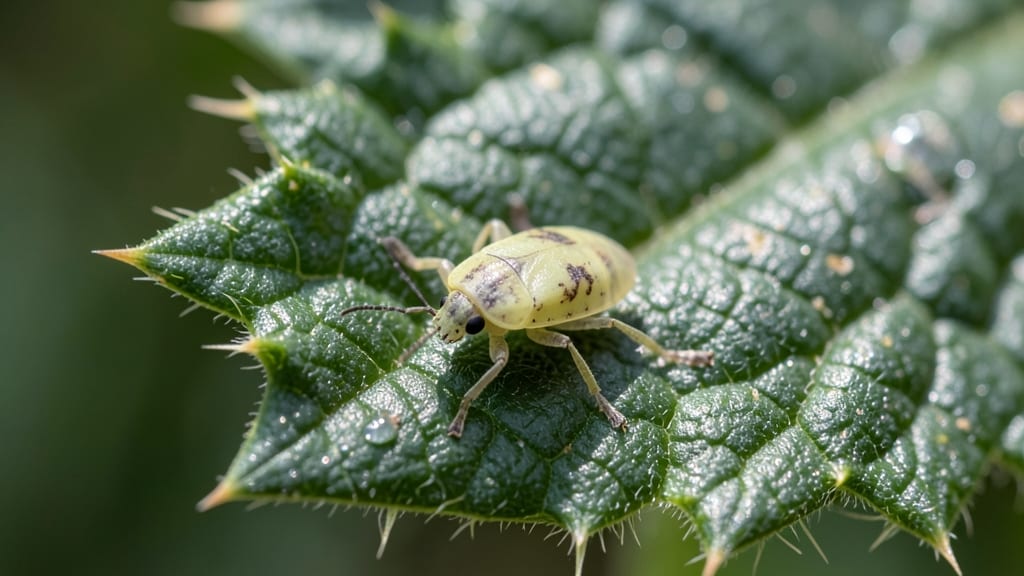
Those tiny, shield-shaped nymphs on your tomato leaves are bordered plant bug nymphs—and they’re about to turn your harvest into Swiss cheese if you don’t act now. 🌱 I’ve lost entire pepper plants to these sneaky pests, and I’ll show you exactly how to spot them before they strike, plus the foolproof organic controls that actually work.
Here’s the hard truth: these nymphs cluster on the undersides of leaves, sucking out plant juices and leaving behind silver-speckled damage that spreads fast. The adults look like tiny brown shields, but the nymphs?
They’re nearly invisible until it’s too late. That’s why I check plants every 3 days during warm months—it’s the only way to catch them early.
You’ll learn how to disrupt their life cycle with neem oil sprays, row covers, and hand-picking (yes, really), plus when to pull out the big guns like insecticidal soap. The key is acting before you see the first speck of damage—because once they’re established, they’re impossible to eradicate completely.
This works for tomatoes, peppers, beans, and even your prized roses. No more helplessly watching your garden decline—just targeted control that keeps your plants thriving. Let’s get started with the first step: identifying where they hide.
Root Causes Behind Nymph Outbreaks
Understanding why these tiny pests thrive in your garden starts with their biology and the conditions they exploit. Bordered plant bug nymphs—those tiny, soft-bodied invaders—don’t just appear out of nowhere. Their presence is often a direct response to environmental cues, plant stress, and even human gardening habits.
Below, we break down the key reasons these pests multiply and infest your crops.
Nymphs are attracted to plants that are already under duress. When plants are overcrowded, their natural defenses weaken, making them easier targets. Why does this happen?
- Competition for resources: Plants in tight quarters struggle to access sunlight, water, and nutrients. Weakened foliage emits stress signals (like volatile organic compounds) that border plant bugs detect as a "feast is available" beacon.
- Reduced resilience: Stressed plants produce thinner cell walls, making it easier for nymphs to pierce tissues and feed on sap. This is especially true in tomatoes, peppers, and eggplants, which are prime targets.
- Dense canopies trap humidity: Overgrown or thickly planted areas retain moisture longer, creating ideal breeding grounds for nymphs. High humidity slows the drying of honeydew (their waste), which in turn attracts fungal growth—another stressor for plants.
Actionable fix: Prune plants to improve airflow, thin out crowded seedlings, and avoid over-fertilizing with nitrogen-heavy mixes, which can promote lush but weak growth.
Bordered plant bug nymphs are cold-sensitive but thrive in specific temperature and humidity ranges. Their life cycle accelerates when conditions are just right—often coinciding with peak gardening seasons.
| Factor | Nymph-Friendly Range | Why It Matters |
|---|---|---|
| Temperature | 65–85°F (18–30°C) | Nymphs develop faster in warm but not scorching temps. Below 60°F (15°C), their growth stalls; above 90°F (32°C), they seek shelter, but eggs may still hatch. |
| Humidity | 60–80% (especially at night) | High humidity prevents desiccation and encourages egg-laying. Dry conditions (<40% humidity) can deter adults but won’t stop existing nymphs. |
| Rainfall | Moderate (0.5–1.5 inches/week) | Light rain washes away natural predators (like lacewings) but keeps soil moist for egg survival. Heavy downpours can drown nymphs, but they rebound quickly. |
Actionable fix: Use row covers in early spring to delay nymph emergence, and install fans in greenhouses to reduce humidity spikes. Mulch heavily in dry climates to retain moisture—but avoid organic mulch if fungal diseases are a concern.
Nymphs are vulnerable to a suite of natural enemies, but these predators often disappear due to pesticide use, habitat loss, or monoculture gardening. When their checks and balances fade, nymph populations explode.
- Key predators and how they’re disrupted:
- Lacewings: Their larvae devour nymphs but are sensitive to broad-spectrum insecticides. A single application can wipe out a lacewing colony for a season.
- Spiders (especially jumping spiders): They patrol plants but avoid treated areas. Neonicotinoid residues can repel them.
- Parasitic wasps: These lay eggs inside nymphs, killing them from within. However, they require diverse plantings to thrive—monocultures starve them out.
- Birds and toads: They snack on adults but ignore nymphs unless the infestation is severe (because nymphs are well-hidden).
- Habitat fragmentation: Industrial farming and urban sprawl reduce the "edge habitats" where predators hunt. Even in home gardens, removing leaf litter or "weeds" eliminates hiding spots for beneficial insects.
Actionable fix: Introduce predator-friendly plants like dill, fennel, or yarrow to attract lacewings. Avoid neonicotinoids and use kaolin clay or soapy water sprays instead. Leave some "wild" areas in your garden for overwintering predators.
Adult bordered plant bugs are masters of disguise, laying eggs in hard-to-spot locations. If you’re not vigilant, their offspring will hatch and feast on your plants before you even notice.
- Favorite egg-laying sites:
- Undersides of leaves (especially near veins or along the midrib).
- Stems and petioles—they prefer rough or hairy textures.
- Weeds and ground cover (e.g., purslane or chickweed) near crops.
- Mulch piles or dense plant debris where moisture lingers.
- Why it’s a problem: Eggs are tiny (about 1mm) and blend into plant tissue. A single female can lay 50–100 eggs in her lifetime, and they hatch in 5–10 days under ideal conditions. By the time you see nymphs, it’s often too late to stop an outbreak.
Actionable fix: Conduct weekly inspections of leaf undersides and stems with a magnifying glass. Remove weeds and debris from the base of plants. Use yellow sticky traps near crops to catch adults before they lay eggs.
Not all infestations are natural—some are human-made. Certain farming practices inadvertently create conditions that favor nymphs.
- Overuse of synthetic fertilizers: Nitrogen-heavy fertilizers promote rapid, tender growth that nymphs love. The resulting soft tissue is easier to pierce, and the high sap content is a nutritional jackpot.
- Pesticide resistance: Repeated use of pyrethrin-based sprays (common for other pests) can kill off generalist predators, leaving nymphs unchecked. Some populations have even developed resistance to these chemicals.
- Irrigation practices: Drip irrigation that wets only the soil (not foliage) can create microclimates where nymphs thrive. Overhead watering, while it may wash away some pests, can also spread eggs across plants.
- Monoculture planting: Large patches of a single crop (e.g., a massive tomato field) provide a buffet for nymphs. Diversified plantings confuse them and dilute their food sources.
Actionable fix: Shift to compost-based fertilizers or slow-release organic options. Rotate crops yearly and interplant with basil, marigolds, or nasturtiums to disrupt nymph feeding patterns. If spraying is necessary, use neem oil or horticultural oil—these target nymphs without harming predators.
How to Fix Tiny Plant Pests
Discovering tiny, hungry invaders feasting on your garden can feel like a losing battle—but it’s not! The key to winning is targeted action based on where and how these pests appear.
Below, we break down the most effective fixes for each common scenario, from quick fixes to long-term prevention. Let’s reclaim your plants, one step at a time.
If you’ve caught the problem early (e.g., a few nymphs on a single leaf), act fast with these localized tactics:
🍳 Handpick & Destroy
- How to do it: Fill a bucket with soapy water and, on a calm day, gently pluck nymphs off leaves with your fingers or a damp paper towel. Drop them into the soapy water to kill them instantly.
- Why it works: Removes the problem at the source without chemicals, ideal for small outbreaks.
- Pro tip: 💡 Do this in the early morning when pests are sluggish and easier to spot.
👨🍳 Neem Oil Spray (Organic & Effective)
- How to do it: Mix 1–2 tablespoons of neem oil with 1 quart of water and a drop of dish soap. Spray directly on affected leaves (focus on undersides where nymphs hide). Reapply every 5–7 days for 2–3 weeks.
- Why it works: Disrupts their feeding and growth cycles while being safe for most plants.
- Pro tip: 🌡️ Apply in the evening to avoid harming beneficial insects like bees.
If nymphs have spread across multiple plants or you’re seeing heavy damage, escalate with these broader strategies:
🔪 Insecticidal Soap (Fast Knockdown)
- How to do it: Use a commercial insecticidal soap (e.g., Safer® Brand) or make your own by mixing 1 tablespoon of mild castile soap with 1 quart of water. Spray thoroughly, covering all leaf surfaces. Repeat every 3–5 days until pests are gone.
- Why it works: Breaks down their protective wax layer, dehydrating them quickly.
- Warning: ⚠️ Avoid spraying in direct sunlight or on stressed plants—it can cause leaf burn.
🌿 Beneficial Predators (Eco-Friendly Control)
- How to do it: Introduce natural enemies like Geocoris bugs, Orius insidious flower bugs, or lacewings. Purchase them online or from garden centers and release them near infested areas.
- Why it works: These predators feast on nymphs and eggs, providing long-term suppression.
- Pro tip: ✨ Add diverse flowering plants to attract and retain beneficial insects.
🏷️ Row Covers & Physical Barriers
- How to do it: Use fine mesh row covers (1mm or smaller) over young plants or newly transplanted seedlings. Secure edges tightly to block adult bugs from laying eggs.
- Why it works: Prevents new infestations while allowing sunlight and water to pass through.
- Best for: 🎯 Seedlings, high-value crops, or plants in early growth stages.
Stop future outbreaks before they start with these proactive measures:
🌱 Plant Selection & Rotation
- Avoid: Tomatoes, peppers, eggplants, and beans—these are favorite targets.
- Choose instead: Basil, marigolds, or nasturtiums (they repel bordered plant bugs).
- Rotate crops: Move susceptible plants to new locations each year to disrupt the pest’s life cycle.
🕵️♂️ Regular Scouting
- When: Inspect plants weekly, especially undersides of leaves and growing tips.
- What to look for: Tiny black or brown nymphs, white eggs, or stippled/damaged foliage.
- Pro tip: 🔥 Use a handheld magnifying glass for early detection.
🌡️ Cultural Practices
- Remove debris: Clear fallen leaves and plant waste where nymphs overwinter.
- Mulch strategically: Use reflective mulch (e.g., aluminum) to deter adults from laying eggs.
- Water wisely: Keep soil moist but avoid overhead watering, which can attract pests.
If your garden is under siege despite your efforts, it may be time to bring in the big guns:
| Severity Level | Recommended Action |
|---|---|
| Small outbreak (few nymphs) | Handpicking + neem oil |
| Moderate damage (multiple plants) | Insecticidal soap + beneficial predators |
| Heavy infestation (widespread destruction) | Consult a local extension office for pyrethrin-based sprays or Bt (Bacillus thuringiensis) as a last resort. |
Note: Chemical sprays should be a final option—always follow label instructions and reapply as needed.
Frequently asked questions
How can I tell if I have bordered plant bug nymphs vs. other tiny pests?
Look for flat, shield-shaped bodies that are 1/8-inch long and black or brown with a lighter border. They cluster on leaf undersides, unlike aphids (which are soft and pear-shaped) or spider mites (which leave webbing). Check for stippled damage on leaves—tiny white or yellow specks where they’ve fed.
Why do these nymphs appear suddenly when my plants were fine yesterday?
Adult bugs lay 50-100 eggs in hidden spots (like leaf undersides or stems), and nymphs hatch in just 5-10 days under warm conditions. They thrive in 65-85°F weather, so outbreaks often coincide with heatwaves. Check nearby weeds—they’re common breeding grounds.
Will insecticidal soap harm my beneficial insects like ladybugs?
It depends on the type and concentration. Most mild insecticidal soaps (like Safer® Brand) are safe for ladybugs if used correctly, but they can kill lacewing larvae. For best results, apply in the evening when bees and butterflies are less active. Always spot-test on a small leaf first.
Can I use neem oil as a preventive spray even when I don’t see nymphs?
Yes! Neem oil is excellent for prevention. Mix 1-2 tablespoons per quart of water and spray every 2-3 weeks during growing season. It disrupts egg-laying and deters adults. Just avoid spraying in direct sunlight (it can cause leaf burn) and don’t apply when plants are stressed.
What’s the fastest way to stop an outbreak if my plants are already damaged?
Combine handpicking (drop nymphs in soapy water) with insecticidal soap applied every 3 days for 2 weeks. For severe cases, add beneficial predators like Orius bugs. Remove all damaged leaves immediately to prevent spread. Monitor closely—these pests multiply quickly!