
Shrubs
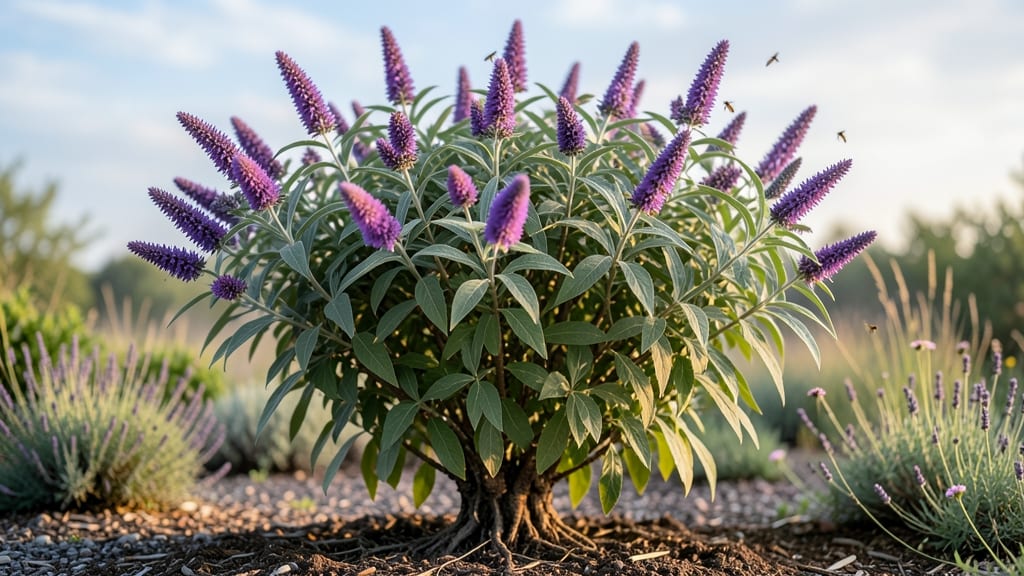
Growing a butterfly bush in Zone 7 thrives with full sun exposure, well-draining soil, and regular pruning after flowering to encourage bushier growth. Plant in early spring, water deeply weekly, and fertilize lightly in spring for vibrant blooms and pollinator attraction.
Zone 7's warm summers and mild winters create ideal conditions for butterfly bushes, but their success depends on proper site selection and ongoing care. 🔥 The key is balancing moisture control—too much water leads to root rot, while drought stress weakens plants and reduces blooms.
I've found that amending native soil with compost improves drainage without sacrificing nutrients, which is especially important during Zone 7's occasional summer heatwaves. Varieties like 'Lo & Behold Blue Chip' handle humidity better than standard types, making them excellent choices for gardeners in this region.
What sets Zone 7 butterfly bushes apart is their ability to bloom prolifically from early summer through fall, providing continuous nectar for monarchs and hummingbirds. The pruning schedule becomes critical here—cutting back in late winter removes dead growth while preserving next year's buds, while post-bloom trimming keeps plants compact.
I recommend using clean, sharp shears and sterilizing them between cuts to prevent disease spread, which is particularly important in Zone 7's humid summers.
💡 In This Article
- Optimal Butterfly Bush Varieties for Zone 7 Climates
- Zone 7 Butterfly Bush Pruning and Maintenance Schedule
Optimal butterfly bush varieties for Zone 7 climates
Zone 7's climate—marked by hot summers and occasional light freezes—favors butterfly bush species that balance cold hardiness with heat tolerance. The most reliable choice is Buddleia davidii, which thrives in this zone with its USDA hardiness rating of 5-9.
This variety's deep root system helps it withstand Zone 7's occasional drought periods while still producing 3-4 weeks of continuous blooms from late summer to fall. The fragrance-free flowers also make it ideal for urban gardens where scent can be overwhelming.
For gardeners seeking a more compact option, 'Lo & Behold Blue Chip' stands out with its 3-foot height and resistance to powdery mildew—a common issue in Zone 7's humid summers.
Its smaller size makes it perfect for containers or foundation plantings, while its blue-violet blooms attract a wider variety of pollinators than standard purple varieties.
Another excellent pick is Buddleia alternifolia, which offers fragrant, lemon-scented flowers that bloom earlier in the season, providing nectar when other plants are still dormant.
The key to selecting the right variety lies in understanding their growth habits and disease resistance. For example, 'Miss Ruby' produces deep red blooms that last 6-8 weeks but requires more frequent pruning to control its 6-foot spread.
Meanwhile, 'White Profusion' offers a striking contrast with its white flowers and is particularly resistant to the fungal diseases that thrive in Zone 7's summer heat.
When choosing, consider your garden's specific microclimate—southern exposures may need more heat-tolerant varieties like 'Lo & Behold', while northern sections can handle slightly taller types.
What most gardeners overlook is the importance of rootstock strength in Zone 7. Plants with thicker, woody stems (like mature Buddleia davidii) handle winter temperature fluctuations better than tender new growth. This is why established plants often recover more easily from 20-25°F dips that occur in Zone 7 winters.
For new plantings, I recommend choosing 2-3 year old nursery stock with well-developed root systems—these establish more quickly and produce better blooms in their first season.
Fragrance preferences also play a role in variety selection. While Buddleia davidii varieties are typically fragrance-free, Buddleia alternifolia produces a citrusy aroma that some gardeners find pleasant but others may consider overpowering. The scent attracts different pollinators—hummingbirds are more drawn to fragrance-free varieties, while butterflies often prefer scented options.
When planting near seating areas, I suggest opting for fragrance-free types to avoid overwhelming garden visitors.
Consider these key factors when choosing your variety:
- Height preference: 'Lo & Behold' (3 ft) vs 'Miss Ruby' (6 ft)
- Bloom duration: 4-6 weeks (standard) vs 6-8 weeks (extended varieties)
- Fragrance needs: Scented (Buddleia alternifolia) vs fragrance-free (Buddleia davidii)
- Disease resistance: 'Lo & Behold' handles humidity better than standard types
Remember that even the best variety needs proper soil preparation—amending with compost and perlite improves drainage while maintaining moisture, which is crucial during Zone 7's 90°F+ summer days. The right variety combined with proper planting creates a butterfly magnet that thrives in your local climate. 🌿