
Planting
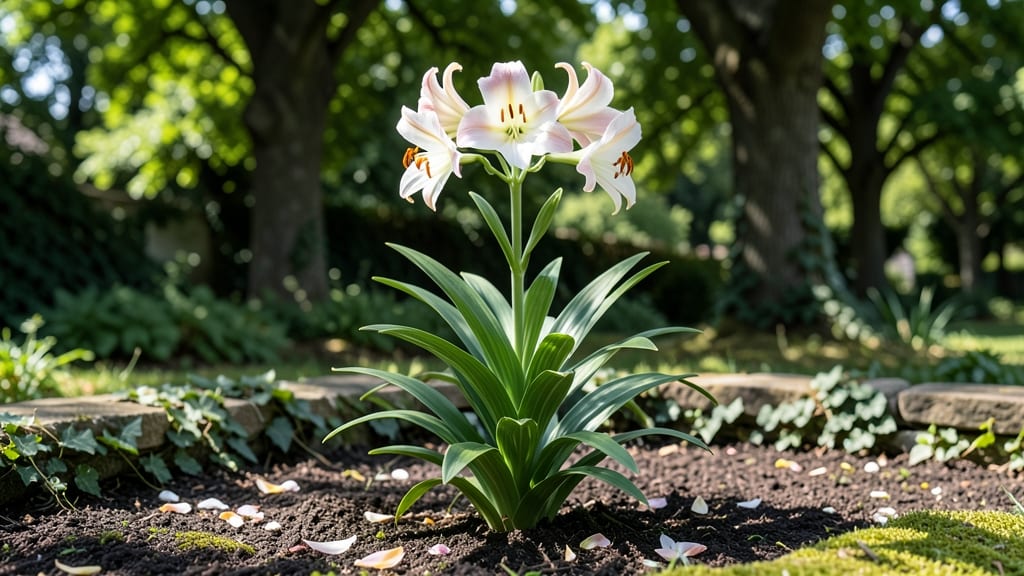
Growing a funeral lily plant brings quiet elegance to any garden—these pure white blooms symbolize peace and rebirth while thriving with surprisingly little effort. 🌿 I’ve nurtured them for years, and their delicate petals open reliably when given the right balance of light, soil, and patience.
Unlike many showy flowers, they reward careful (but not fussy) care with fragrant blooms that last weeks indoors too.
Their secret lies in cool conditions and well-draining soil—think of them as tropical plants with a preference for cooler climates. Plant them in partial shade where temperatures stay between 50-75°F, and use a mix of peat moss or coco coir to prevent soggy roots.
Watering is simple: keep the soil consistently moist but never waterlogged, and you’ll see strong stems ready to support those iconic trumpet-shaped blooms.
By summer’s end, you’ll have stems reaching 2-3 feet tall, each topped with 3-5 blooms that fill the air with a sweet, subtle fragrance. The plants even self-seed gently, giving you free new growth each year.
Their symbolic beauty makes them perfect for memorial gardens or as a meaningful gift that keeps giving.
Even in small spaces, these lilies adapt—just avoid full sun or heatwaves, which cause buds to drop. With proper care, they’ll bloom year after year, carrying their message of renewal through every season. Ready to grow some meaning along with your flowers?
📚 In This Guide
- What you need
- Instructions
- Tips and common mistakes
- Wrapping up and next steps
What you need
- ● Funeral lily plant: 1 healthy, mature plant (check for lush leaves and firm stems).
- ● Well-draining potting mix: 1 bag (1-2 cubic feet) of high-quality, peat-based or coco coir mix (avoid heavy garden soil).
- ● Pot: 1 container with drainage holes, 12-16 inches in diameter (slightly larger than the plant’s root ball).
- ● Watering can: 1 with a narrow spout for gentle hydration.
- ● Balanced liquid fertilizer: 1 bottle (10-20-10 or similar NPK ratio).
- ○ Optional: Gloves (to protect hands from soil).
- ● Pruning shears (for trimming yellowed leaves).
- ● Humidity tray or pebbles (to boost moisture in dry climates).
- ● Grow lights (if placing in low-light areas).
- ● A bright, indirect light spot (e.g., near a north or east-facing window).
- ● Consistent room temperature (65–80°F)—avoid drafts or cold windowsills.
- ● Patience! Funeral lilies thrive with gentle care—no need to overcomplicate things.
Instructions for cultivating a thriving funeral lily plant
Here's the straightforward approach I've used to keep these elegant bloomers looking their best indoors.
🪴 Step 1: Select the Perfect Spot for Your Lily
Funeral lilies thrive in bright, indirect light—think east-facing windows or 2-3 feet from a south-facing window. Direct afternoon sun will scorch the leaves, so avoid placing them near west-facing windows. I like to position mine near a window where they get morning light and afternoon shade naturally.
If natural light is limited, supplement with a grow light placed 6-12 inches away for 12-14 hours daily. You'll know the light is right when the leaves stay a vibrant green—not yellowing or stretching toward the light. Watch for leaves that cup downward or develop brown tips, which are signs of too much light.
💧 Step 2: Master the Watering Routine
These plants despise soggy soil but also can't tolerate drying out completely. Water when the top 1-2 inches of soil feel dry to the touch—stick your finger in the soil up to your first knuckle to check. During the growing season (spring and summer), you'll likely water every 5-7 days, but adjust based on your home's humidity and temperature.
Use room-temperature water to avoid shocking the roots, and water until it drains freely from the bottom. Empty the saucer after 10-15 minutes to prevent root rot. Overwatering is the #1 killer of funeral lilies, so when in doubt, wait a day or two before watering again. Yellowing leaves often mean too much water, while crispy edges signal underwatering.
☀️ Step 3: Maintain Ideal Growing Conditions
Funeral lilies prefer moderate humidity—aim for 40-60% if your home runs dry. Place the pot on a tray of pebbles and water (ensure the pot sits above the waterline) or use a humidifier nearby. You'll notice the leaves staying perky and glossy when humidity is just right.
Keep temperatures between 65-75°F—they'll tolerate cooler nights but avoid drafts from air conditioning vents or heaters. Dust the leaves occasionally with a damp cloth to help them absorb light better. I do this every 2-3 weeks during the growing season, and you'll see the leaves brighten up noticeably.
✂️ Step 4: Prune and Fertilize for Long-Term Health
After the plant finishes blooming, cut the flower stalk back to just above a leaf node. This encourages new growth and prevents the plant from putting energy into seed production. Remove any yellow or brown leaves with clean pruning shears—diseased foliage should be discarded immediately, not composted.
Feed your funeral lily every 4-6 weeks during the growing season with a balanced liquid fertilizer (10-10-10 or similar). Dilute to half-strength to avoid burning the roots. I always fertilize after watering so the nutrients soak into the soil properly. Reduce feeding in fall and winter when growth naturally slows down.
🌱 Step 5: Repot When Necessary
These plants grow slowly but will eventually outgrow their pots. Check for root-bound plants by gently removing the lily from its container—if you see roots circling the bottom or growing out of the drainage holes, it's time to repot. I repot mine every 2-3 years or when the plant looks cramped.
Choose a pot that's only 2 inches larger in diameter than the current one—too much space encourages overwatering. Use well-draining potting mix formulated for houseplants, and water thoroughly after repotting. The first few weeks are critical, so keep the plant in bright, indirect light and monitor soil moisture closely.
Tips & tricks for perfect funeral lily plant care
Between us, these elegant plants are easier to care for than they look—once you know the subtle details that make all the difference.
Lighting Nuances: In Step 1, when positioning your funeral lily, pay attention to the quality of light—not just quantity. East-facing windows provide ideal morning sun without the harsh afternoon rays that can bleach leaves. If using grow lights as mentioned for 12-14 hours daily, position them slightly above the plant (about 14-16 inches) to mimic natural light angles. I've seen leaves develop brown patches when lights are too close—this happens because the intense heat from lights can scorch foliage.
Watering Technique: The finger-check method in Step 2 works perfectly, but here's what I learned the hard way: always check moisture at the same depth and time of day. Morning is best because evening checks might make you water when the soil has naturally dried overnight. Also, use your finger to gently press into the soil—if it springs back immediately, it's still moist. If it stays indented, that's your cue to water.
Humidity Hacks: For the 40-60% humidity range mentioned in Step 3, I've found a simple trick works wonders: place the pot on a bed of damp pebbles inside a decorative tray. The water evaporates slowly, creating a microclimate around your plant. Just make sure the pot sits above the waterline—roots shouldn't sit in standing water. This method is especially helpful in dry winter months when indoor air gets so crisp.
Pruning Precision: When cutting back that flower stalk in Step 4, aim for just above a leaf node where new growth emerges. This is where the plant will put its energy for future blooms. I always use sharp pruning shears and make clean cuts at a 45-degree angle to prevent water from pooling on the cut surface, which could lead to rot. Also, don't be afraid to remove any leaves that are more than 25% brown—it actually encourages healthier growth from the remaining foliage.
Pro Tips for Funeral Lily Plant
- Between us, these elegant plants are easier to care for than they look—once you know the subtle details that make all the difference.
- Lighting Nuances: In Step 1, when positioning your funeral lily, pay attention to the quality of light—not just quantity.
- Watering Technique: The finger-check method in Step 2 works perfectly, but here's what I learned the hard way: always check moisture at the same depth and time of day.
Frequently asked questions
Got questions about keeping your funeral lily (Lilium candidum) thriving? We’ve got answers! Whether you’re a first-time grower or just need a quick refresher, here’s what you need to know.
How long does a funeral lily plant typically live?
A funeral lily is a perennial in USDA zones 5-9, meaning it can live for years with proper care—often 5-10 years or more! In colder climates, treat it as an annual or dig up the bulbs before winter. With the right conditions, it’ll reward you with blooms for decades.
When is the best time to plant funeral lilies?
Plant bulbs in early spring (after the last frost) or fall (6-8 weeks before the first frost). Spring planting gives them time to establish roots before summer heat, while fall planting allows them to grow roots before winter dormancy. Avoid planting in extreme heat or cold.
What if my funeral lily isn’t blooming?
Lack of blooms often stems from overcrowded bulbs, poor sunlight, or lack of nutrients. Dig up and separate bulbs every few years, ensure they get 6+ hours of sun daily, and fertilize lightly in spring with a bulb-specific food. Patience helps—some lilies take 2-3 years to bloom!
Are funeral lilies toxic to pets?
Yes! All parts of the funeral lily—bulbs, leaves, and flowers—are toxic to cats and dogs if ingested. Symptoms include vomiting, drooling, or lethargy. Keep plants out of reach or opt for pet-safe alternatives like daylilies (Hemerocallis) if you have furry friends at home.
How do I overwinter funeral lilies in cold climates?
In zones below 5, dig up bulbs after foliage yellows, dry them for 1-2 weeks, then store in a cool (40-50°F), dry place (like a garage) until spring. Mulch heavily if leaving them in the ground, and protect with burlap or straw. Replant in spring once frost risk passes!
Wrapping up and next steps
The funeral lily plant brings timeless elegance to any space with its striking white blooms and minimal care needs—perfect for both seasoned gardeners and beginners! 🌸 By mastering its light, water, and soil preferences, you’ll enjoy vibrant flowers year after year with just a little attention.
Ready to add this graceful beauty to your home or garden? Start by gathering your supplies and follow the simple steps above—your funeral lily will thank you with lush, fragrant blooms! 🌿