
Planting
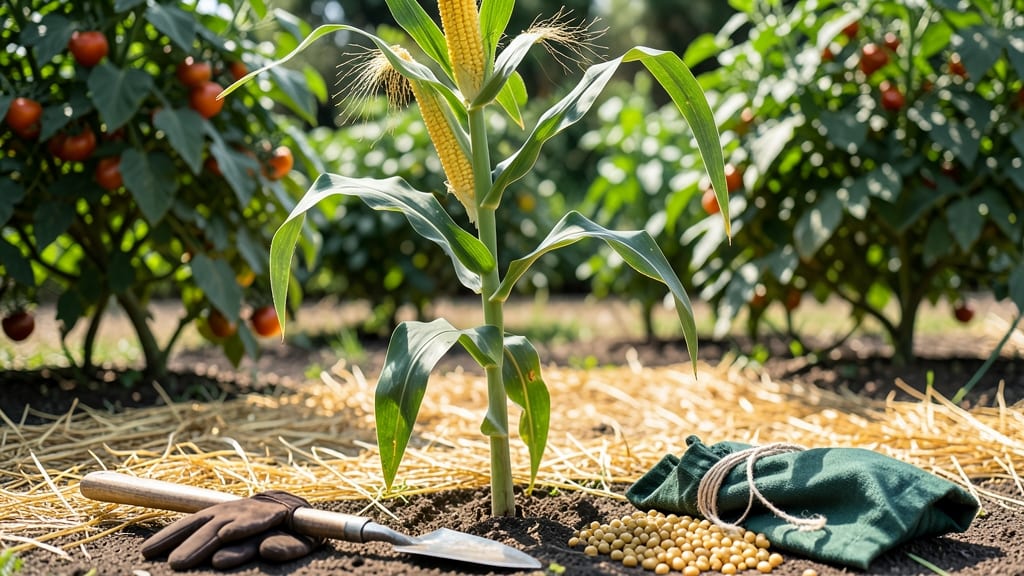
Planting Golden Bantam corn means 60 days of watching tiny sprouts turn into sunlit stalks dripping with buttery kernels—one of the sweetest heirloom varieties you can grow. 🌽 I’ve watched this small but mighty corn transform my summer garden from ordinary to extraordinary, and the secret starts with soil that’s warm, loose, and rich with compost before the first seeds even hit the ground.
The key to success? Timing and space. Golden Bantam thrives in full sun and needs 36-40 inches of vertical room to reach its full potential—so plant seeds 1 inch deep and 4-6 inches apart in blocks, not rows, for proper pollination.
The soil should be at least 60°F before planting, and if your spring is slow to warm, use black plastic mulch to speed things up.
By mid-summer, you’ll be harvesting ears with kernels so sweet they taste like nature’s candy, and the plants themselves become a living trellis for climbing beans or morning glories.
The real magic happens when you water consistently—about 1 inch per week—and avoid overhead sprinklers to prevent fungal diseases that can ruin your harvest.
This variety handles light frosts better than most, making it perfect for shorter growing seasons, and the seeds themselves stay viable for years if stored properly. Just watch for corn earworms—drop a few BT-treated corn ears in the field early to deter them, and you’ll protect your sweet rewards.
📚 In This Guide
- What you need
- Instructions
- Tips and common mistakes
- Wrapping up and next steps
What you need
- ● Seeds: 1 lb of Golden Bantam corn seeds (non-GMO, heirloom variety).
- ● Soil: Well-draining, fertile soil with a pH of 6.0–7.0. Test or amend if needed (compost or aged manure works great!).
- ● Fertilizer: Balanced 10-10-10 or organic fertilizer (e.g., 5-5-5). Apply 1 lb per 100 sq ft at planting.
- ● Water: Consistent access to 1–2 inches of water per week (more during drought).
- ● Space: At least 18–24 inches between plants and 36 inches between rows (or a 4’x4’ raised bed for compact growing).
- ● Garden tools: Trowel, hoe, and rake for prep.
- ○ Planting aid: Optional but helpful—corn planter or dibble (for precise seed depth).
- ○ Support (optional): Trellis or stakes if growing in windy areas (though Golden Bantam is sturdy!).
- ● Mulch: Straw or grass clippings to retain moisture and suppress weeds.
- ● A sunny spot with 6+ hours of direct sunlight daily.
- ● Warm soil temps (60°F+) for germination (wait until after the last frost!).
- ● Patience! Golden Bantam matures in 60–70 days—plan accordingly.
Step-by-Step instructions for planting Golden Bantam corn
Here's how I grow this classic heirloom variety—sweet, tender, and ready for harvest in just 60 days.
🌱 Step 1: Prepare the Planting Site
Golden Bantam thrives in warm, well-drained soil with plenty of space to spread its roots. Choose a location with full sun—at least 6-8 hours daily—and work in a 2-inch layer of compost or aged manure before planting. This variety is particularly sensitive to cold, so wait until soil temperatures reach 60°F and nighttime lows stay above 55°F.
I always test the soil pH first—Golden Bantam prefers a slightly acidic to neutral range of 6.0-7.0. If your soil is heavy clay, mix in 1 part sand to 3 parts soil to improve drainage. The key is loose, fertile ground that holds moisture without becoming waterlogged.
🌱 Step 2: Plant Seeds at the Right Depth and Spacing
Golden Bantam seeds are large, so plant them 1 inch deep and 4-6 inches apart in rows spaced 3 feet apart. This spacing gives the plants room to develop strong stalks and prevents disease from overcrowding. I like to plant in blocks rather than straight rows—it confuses corn earworms and improves pollination.
Drop 2-3 seeds per hill and thin to the strongest seedling after germination. If you're planting multiple rows, stagger them by 18 inches to create a checkerboard pattern. This ensures even sunlight exposure and better air circulation, which is critical for preventing fungal diseases like leaf blight.
☀️ Step 3: Provide Consistent Water and Warmth
Corn needs 1-1.5 inches of water weekly, but Golden Bantam is particularly sensitive to drought stress during tasseling. Water deeply 2-3 times per week until the soil is 6 inches deep, then taper off slightly as the ears form. I always water in the morning so foliage dries quickly, reducing the risk of mildew.
Mulch with 2-3 inches of straw or grass clippings to retain moisture and keep roots cool. Avoid synthetic mulches—they can overheat the soil and stress the plants. Watch for silking (the fine threads that emerge from the top of the plant) as a sign that pollination is about to begin.
✂️ Step 4: Monitor for Pests and Fertility
Golden Bantam is less prone to pests than modern hybrids, but I still check for corn earworms and raccoons regularly. Handpick silks with eggs and drop them in soapy water. For fertility, side-dress with 1 cup of 10-10-10 fertilizer per plant when stalks reach 12 inches tall and again at 2 feet tall.
If leaves start yellowing between the veins, it's a sign of nitrogen deficiency. A quick fix is a foliar spray of diluted fish emulsion. Prune any broken or diseased stalks immediately to prevent the spread. The goal is to keep plants vigorous until harvest-ready ears appear.
⏰ Step 5: Harvest at Peak Sweetness
Golden Bantam matures in 60 days, but I wait until the silk turns brown and the kernels are plump and milky-white. Press a kernel with your thumbnail—if it leaves a white mark, it's ready. Harvest by twisting stalks sharply or cutting with pruners, leaving 6-8 inches of stalk attached.
Corn continues to sweeten after harvest, so store ears in the fridge for up to 1 week or freeze them immediately. For the best flavor, cook within 2 days of picking. The first harvest is always the sweetest—save seeds from the best ears for next year's planting!
Tips & tricks for perfect Golden Bantam corn
These little details make all the difference between good corn and showstopping sweetness.
Soil Temperature Matters: Don't rush planting just because your garden looks ready. Wait until soil temperatures hit 60°F consistently—cold soil slows germination and stresses young plants. I use a soil thermometer for accuracy, especially in spring when mornings can still be chilly. The 55°F nighttime minimum is non-negotiable for Golden Bantam's tender roots.
Planting Geometry: That checkerboard pattern in Step 2 isn't just decorative—it creates airflow between plants that prevents fungal diseases like leaf blight. For small gardens, I even plant in concentric circles to maximize space efficiency while maintaining proper spacing. The 18-inch stagger between rows ensures every plant gets equal sunlight exposure.
Watering Wisdom: The 2-3 times weekly watering schedule changes during tasseling—this is when drought stress hits hardest. I set a rain gauge to monitor weekly totals and supplement with 1-1.5 inches when needed. Morning watering prevents fungal spores from thriving on damp leaves overnight.
Harvest Timing Secret: The 60-day guideline is just a starting point—Golden Bantam's sweetness peaks when silks turn completely brown and kernels press white. I harvest on cooler mornings when sugars are most concentrated. The 6-8 inches of stalk you leave attached helps preserve freshness during storage.
Pro Tips for Golden Bantam Corn Planting
- These little details make all the difference between good corn and showstopping sweetness.
- Soil Temperature Matters: Don't rush planting just because your garden looks ready.
- Planting Geometry: That checkerboard pattern in Step 2 isn't just decorative—it creates airflow between plants that prevents fungal diseases like leaf blight.
Frequently asked questions
Got questions about growing Golden Bantam corn? You’re in the right place! This fast-maturing, sweet variety is a favorite, but it’s smart to know the ins and outs before planting. Here are answers to the most common queries—plus a few pro tips to set you up for success.
When is the best time to plant Golden Bantam corn?
Golden Bantam thrives in warm soil, so wait until after the last frost when nighttime temps stay above 55°F (13°C). For most U.S. regions, this means late April to early June. If your growing season is short, consider starting seeds indoors 2–3 weeks early or using black plastic mulch to warm the soil faster.
How long does it take to harvest Golden Bantam corn?
This variety is a superstar for speed—expect sweet, tender ears in just 60–65 days from planting! Check for harvest readiness by peeling back the husk: silks should turn brown, and kernels should be plump and milky-white. Missed the window? Don’t worry—Golden Bantam stays sweet for 2–3 days post-harvest if stored properly.
Can I grow Golden Bantam corn in containers or small spaces?
While corn loves space, Golden Bantam’s compact stature (4–5 feet tall) makes it perfect for containers or small gardens. Use a 5-gallon bucket or large pot (at least 12" deep) with well-draining soil. For pollination, plant at least 4–6 stalks together or nearby in another container. Just ensure they get full sun (6+ hours/day)!
What pests or diseases should I watch for with Golden Bantam corn?
Corn is generally low-maintenance, but keep an eye out for corn earworms (tiny green caterpillars) and corn borers. Use row covers early on or handpick pests. For fungal issues like gray leaf spot, improve airflow and avoid overhead watering. If leaves turn yellow, check for nitrogen deficiency—add compost or a balanced fertilizer.
Can I save seeds from Golden Bantam corn for next year?
Yes! Golden Bantam is an open-pollinated variety, so you can save seeds easily. Let 10–15 ears dry completely on the stalk (husks should be brittle), then remove kernels, dry them further, and store in a cool, dark place. Test a few seeds the next year to ensure viability—if they sprout, you’re good to go!
Pro Tip: Boost Sweetness!
For extra-sweet corn, try the "sugar enhancement" trick: stop watering 2–3 days before harvest to concentrate sugars. Also, harvest in the morning when temps are cooler for peak flavor.
Wrapping up and next steps
Growing Golden Bantam corn is a rewarding journey that brings sweet, tender ears to your table in just 60 days! With the right soil, spacing, and care, you’ll enjoy a bountiful harvest of vibrant, flavorful corn—perfect for fresh eating, grilling, or preserving.
Whether you're a beginner or seasoned gardener, this variety’s fast growth and bold taste make it a standout choice for small spaces or family gardens.
Ready to plant your patch? Start by gathering your supplies, marking your plot, and sowing those seeds—soon, you’ll be savoring the fruits of your labor! 🌱 Get started today and turn your garden into a cornucopia of golden goodness.