
Planting
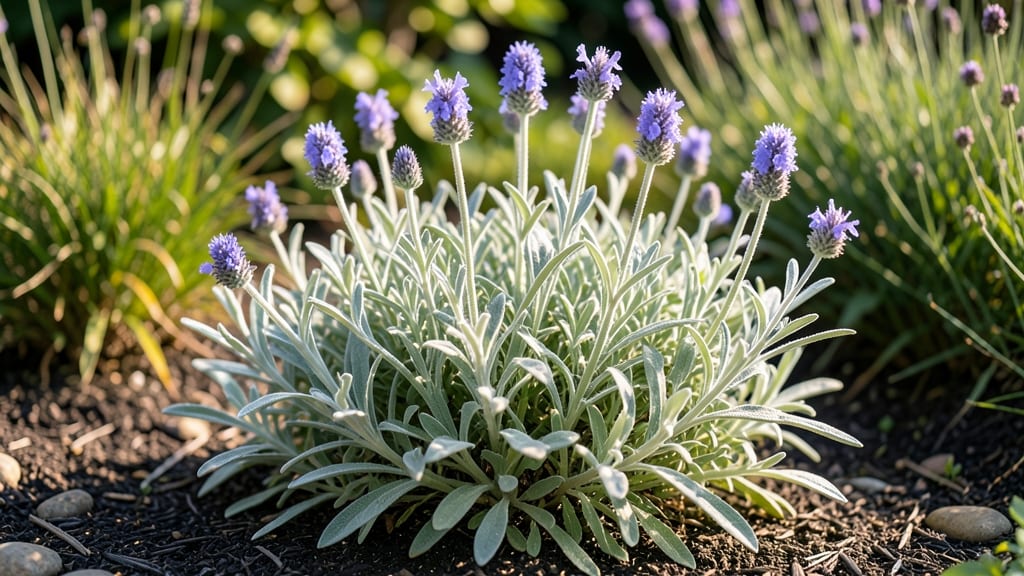
My gooseneck perennial plant (Physostegia virginiana) creates dramatic privacy screens with its arching stems and velvety foliage—no fence or lattice needed. 🌿 The secret to its lush, year-round presence lies in mimicking its native woodland edge habitat, where it thrives without fuss.
This plant rewards patience with 3-foot-tall cascades of lavender blooms in summer, followed by seed heads that add winter texture. The key is well-draining soil, partial shade, and occasional pruning to keep stems upright—no flopping here. I’ve seen it outperform boxwoods in my shady corner, staying green even through droughts.
You’ll love how it softens hard edges while providing seasonal interest from spring’s fresh shoots to winter’s skeletal beauty. The varieties ‘Summer Snow’ and ‘Vivid’ offer extra vigor, but even the species plant delivers bold foliage drama with minimal effort.
For best results, plant in groups of three or more—their arching habit creates natural privacy when spaced 18 inches apart. Mulch heavily to retain moisture and suppress weeds, and watch as neighbors ask, “What is that?”
📚 In This Guide
- What you need
- Instructions
- Tips and common mistakes
- Wrapping up and next steps
What you need
- ● Gooseneck perennial plants (e.g., Physostegia virginiana or Lamium galeobdolon): 3–5 mature plants (for full coverage) or
- ● Seeds (if starting from scratch; germination can take 10–21 days)
- ● Well-draining potting mix or garden soil (1–2 cubic yards for in-ground planting)
- ● Compost or organic fertilizer (5–10 lbs for soil enrichment)
- ● Mulch (2–3 inches of shredded bark or straw to retain moisture)
- ● Garden trowel or transplant spade
- ● Pruning shears (for trimming and shaping)
- ● Watering can or hose with a gentle spray nozzle
- ● Gloves (to protect your hands from thorns or rough foliage)
- ○ Optional (but helpful!): Soil pH tester (ideal range: 6.0–7.0)
- ● Stakes or trellis (if training vines for vertical growth)
- ● Slow-release fertilizer tablets (for container gardening)
- ● Sunlight: Partial shade to full sun (4–6 hours daily)
- ● Space: 12–24 inches apart for mature plants (check variety specs!)
- ● Water access: Consistent moisture (drought-tolerant once established)
- ● Climate: USDA Zones 3–9 (hardy perennials!)
How to plant and maintain a gooseneck perennial for stunning privacy
This striking foliage plant thrives with minimal fuss—just the right spot and a few key care tips.
🌱 Step 1: Select and Prepare the Planting Site
The gooseneck perennial loves partial to full shade and moist, well-draining soil. I always test the soil first by digging a 6-inch hole—if water pools instead of draining within 10 minutes, amend with 2-3 inches of compost mixed into the native soil. This plant’s dramatic arching stems need 4-6 feet of horizontal space to develop fully, so avoid tight corners.
Choose a location sheltered from strong winds, which can snap those graceful stems. The ideal spot gets morning sun and afternoon shade, especially in hotter climates. I mark the planting area with wooden stakes to visualize the mature spread before digging.
🪴 Step 2: Plant at the Correct Depth and Spacing
Dig a hole twice as wide as the root ball but only as deep—planting too deep suffocates the roots. Gently remove the plant from its container and loosen any circling roots with your fingers. Place it in the hole so the top of the root ball sits level with the surrounding soil. This ensures the plant establishes quickly without stress.
Space 4-5 feet apart for full foliage coverage without overcrowding. I always fill the hole halfway with water first, then backfill with the amended soil while pressing lightly to eliminate air pockets. Water deeply again until the soil 1 inch below the surface feels moist—this prevents transplant shock.
☀️ Step 3: Water and Mulch for Year-Round Health
Keep the soil consistently moist but never soggy for the first 4-6 weeks. I water deeply twice weekly in summer, checking moisture by sticking my finger 2 inches into the soil. Once established, this plant tolerates drought conditions but looks best with regular hydration. Overwatering leads to root rot, so always ensure the planting site has good drainage.
Apply 2-3 inches of mulch (like shredded bark or wood chips) around the base, keeping it 3 inches away from the stem. This locks in moisture, regulates soil temperature, and suppresses weeds. I refresh the mulch layer annually in early spring—just rake away old debris and add fresh.
✂️ Step 4: Prune for Shape and Seasonal Renewal
Light pruning in early spring encourages bushier growth. I trim back any dead or damaged stems to the nearest healthy leaf, using clean, sharp pruners. Never cut more than one-third of the plant at once—this stresses the foliage and reduces its dramatic effect. For a tidier look, I also pinch back the tips of new growth to promote branching.
In late fall, I remove only the most unsightly stems, leaving the rest to provide winter interest. The gooseneck perennial’s arching habit naturally creates privacy, but a little shaping keeps it looking intentional. I always sterilize my pruners with rubbing alcohol between cuts to prevent disease spread.
🌿 Step 5: Fertilize for Vibrant Foliage
Feed in early spring with a balanced, slow-release fertilizer (10-10-10 ratio). I sprinkle ½ cup per plant around the root zone and water it in thoroughly. This gives the plant the nutrients it needs for bold, glossy leaves without encouraging weak, leggy growth. Avoid high-nitrogen fertilizers—they promote leafy growth at the expense of the plant’s structural beauty.
For an organic option, I top-dress with composted leaf mold in fall. This improves soil structure and provides a steady supply of micronutrients. I never fertilize in summer heat, as this can scorch the foliage or attract pests looking for stressed plants.
Tips & tricks for perfect gooseneck perennial planting
These pro strategies will help your gooseneck perennial thrive with minimal effort—and prevent common planting mistakes that ruin the dramatic effect.
Soil Test Tip: Before amending, do a simple drainage test by digging that 6-inch hole and filling it with water. If it doesn't drain completely within 10 minutes, mix in 2-3 inches of compost with the native soil. I've seen gooseneck perennials fail spectacularly because of poor drainage—don't let that happen to yours. The goal is moist but never soggy soil that mimics its natural habitat.
Planting Depth Secret: The top of the root ball must sit level with the surrounding soil—never buried deeper. I've planted dozens of these and learned the hard way that burying the crown causes rot. Use a level or your eye to check before backfilling. This small detail makes all the difference in establishing strong roots quickly.
Wind Protection Strategy: Those graceful arching stems are stunning but fragile. Plant in a location sheltered from prevailing winds—even a simple wooden fence or evergreen windbreak can save you from having to replace snapped stems later. I always visualize how the mature plant will spread (4-6 feet horizontally) before digging, using wooden stakes to mark the area.
Mulching Mastery: Apply that 2-3 inches of mulch right after planting to lock in moisture and regulate soil temperature. Keep it 3 inches away from the stem to prevent rot. I refresh my mulch annually in early spring, raking away old debris first—this prevents thatch buildup that can suffocate roots. The right mulch (like shredded bark) also adds organic matter as it breaks down.
Pro Tips for Gooseneck Perennial Plant
- These pro strategies will help your gooseneck perennial thrive with minimal effort—and prevent common planting mistakes that ruin the dramatic effect.
- Soil Test Tip: Before amending, do a simple drainage test by digging that 6-inch hole and filling it with water.
- Planting Depth Secret: The top of the root ball must sit level with the surrounding soil—never buried deeper.
Frequently asked questions
Got questions about adding gooseneck perennials to your garden? You’re not alone! Here are some of the most common queries—plus the answers you need to confidently plant and care for these striking foliage stars.
What’s the best time of year to plant gooseneck perennials?
For optimal root establishment, plant gooseneck perennials in early spring (after the last frost) or early fall. Avoid extreme heat or cold—these plants thrive in moderate temperatures and need time to settle in before winter. If you’re in a mild climate, fall planting can give roots a head start for spring growth!
How much water do gooseneck perennials need?
Keep soil consistently moist (but not soggy) for the first few weeks after planting. Once established, they’re drought-tolerant but still appreciate 1–1.5 inches of water weekly during dry spells. Mulch around the base to retain moisture and suppress weeds—this helps them bounce back from heatwaves with ease!
Can gooseneck perennials handle full sun or shade?
These plants are versatile! They tolerate partial shade (4–6 hours of sun) but truly shine in full sun (6+ hours), especially in cooler climates. In hot, humid areas, afternoon shade prevents leaf scorch. Test your spot: if it gets harsh afternoon sun, opt for a slightly shadier location.
Are there any low-maintenance alternatives to gooseneck perennials?
Yes! If you love bold foliage but want even less upkeep, try:
- Hostas (shade-loving, low-growing)
- Heucheras (colorful, drought-tolerant)
- Japanese Painted Ferns (textured, minimal care)
- Sedum ‘Autumn Joy’ (succulent-like, sun-loving)
Why are my gooseneck perennial leaves turning yellow or brown?
Yellowing leaves often signal overwatering or poor drainage, while brown edges can mean underwatering or sunburn. Check soil moisture (stick your finger 1–2 inches down—if it’s dry, water; if muddy, hold off). Adjust mulch or shade if needed. Pests like aphids can also cause stress—spray with soapy water if you spot them!
Wrapping up and next steps
Transforming your outdoor space with a gooseneck perennial plant isn’t just about adding greenery—it’s about creating a statement! 🌿 These bold, architectural plants deliver year-round privacy, texture, and drama with minimal effort once established.
Whether you’re a seasoned gardener or just starting, their low-maintenance charm makes them a winner for any landscape.
Ready to elevate your garden? Start small—pick a sunny spot, prep the soil, and plant your gooseneck perennial. Watch as it grows into a lush, eye-catching centerpiece that turns heads (and blocks noise!) for years to come. Your future self will thank you!