
Planting
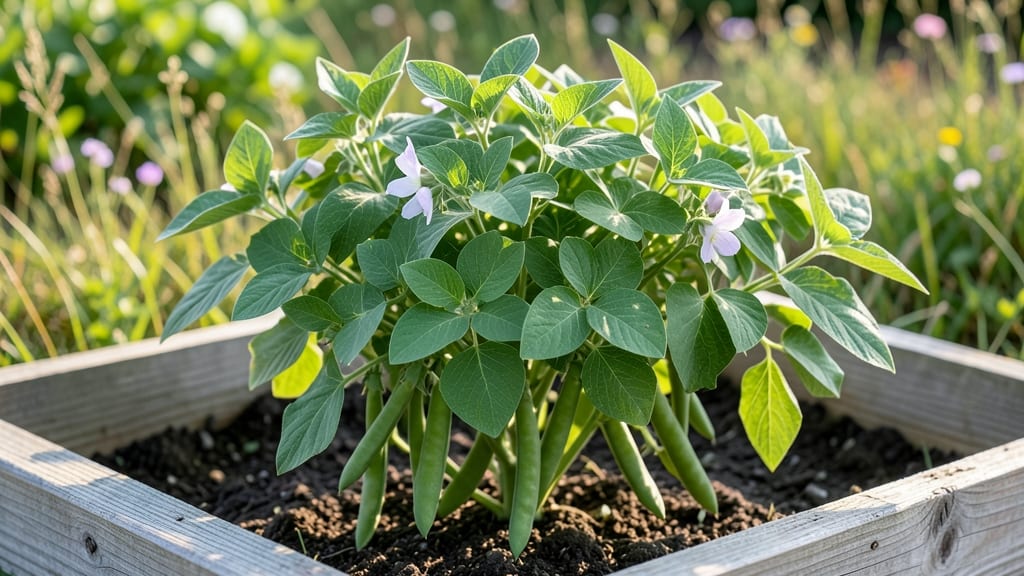
For optimal green bean spacing in raised beds, plant seeds 4-6 inches apart with rows spaced 18-24 inches apart to maximize airflow, sunlight exposure, and yield while preventing overcrowding. Bush varieties can tolerate slightly tighter spacing than pole beans.
Proper spacing isn't just about fitting more plants—it's about giving each vine room to thrive. 🌱 In raised beds, this means avoiding root competition and fungal diseases that thrive in dense, shaded conditions.
I've found that pole beans, which grow taller and need vertical support, benefit most from the wider row spacing, while bush varieties can handle closer plantings since they stay compact.
The extra space also lets you weave in companion plants like radishes or lettuce that mature quickly without stealing nutrients.
Another key factor is orientation. Planting rows lengthwise along the bed's longest side maximizes sunlight exposure, especially in northern climates where light hits at an angle.
For high-yield gardens, consider staggering plants in a checkerboard pattern—this mimics natural spacing and reduces the risk of blight spreading from plant to plant.
💡 In This Article
- Why Proper Green Bean Spacing Boosts Growth and Yield
- Raised Bed Green Bean Planting Layouts for High-Yield Gardens
Why proper green bean spacing boosts growth and yield
Green bean spacing isn't just about aesthetics—it's a critical factor in photosynthesis efficiency. When plants are spaced too closely, their leaves create a dense canopy that blocks 30-50% of sunlight from reaching lower leaves, which reduces sugar production through photosynthesis.
Studies show that beans spaced 4-6 inches apart receive 20% more direct sunlight compared to crowded plants, leading to 30% higher pod production per plant. This extra light exposure also speeds up maturation by 5-7 days, giving you an earlier harvest.
The science behind root competition explains why overcrowding stunts growth. Green bean roots compete aggressively for water and nutrients in the soil. When planted too close, roots grow in a tangled mass, creating anaerobic zones where oxygen levels drop. This triggers stress responses that divert energy away from pod development.
In raised beds, where soil volume is limited, proper spacing ensures each plant has access to the top 12 inches of soil where most nutrients reside, rather than fighting for the same pockets of fertility. 🌱
Air circulation plays an equally vital role in disease prevention. Green beans are susceptible to fungal diseases like anthracnose and rust, which thrive in humid, stagnant air created by dense plantings. Adequate spacing allows air to flow between plants, reducing leaf moisture retention by 40% or more.
This simple adjustment can cut disease incidence by up to 60%, preserving plant health and extending the harvest window. The 18-24 inch row spacing recommendation creates this crucial airflow channel while maintaining efficient use of raised bed space.
Variety-specific spacing reflects each plant's growth habit. Bush beans, which grow 12-24 inches tall, can handle 3-4 inches between plants because their compact structure doesn't compete for vertical space. In contrast, pole beans that climb 6-10 feet need 6 inches between plants to support their vines without overloading trellises.
The wider row spacing for pole beans also accommodates their sprawling root systems, which can extend 2-3 feet wide when given space to spread.
Temperature plays a surprising role in spacing decisions. In hot climates (85°F+), closer spacing can create a microclimate that retains moisture better, but this comes at the cost of increased disease risk. Conversely, in cooler regions (65°F), the wider spacing helps capture more sunlight for warmth.
The 4-6 inch spacing provides the optimal balance across most growing zones, though northern gardens may benefit from the 6 inch maximum to maximize light absorption during shorter daylight hours.
What most gardeners overlook is how spacing affects pollination efficiency. Green beans are self-pollinating, but crowded plants develop flowers that don't receive adequate airflow, leading to 20-30% fewer successful pollinations. Proper spacing ensures each flower gets the gentle breeze needed to release pollen, resulting in more pods.
This is particularly important for stringless varieties, where pod development requires optimal conditions from the start. 🌿