
Planting
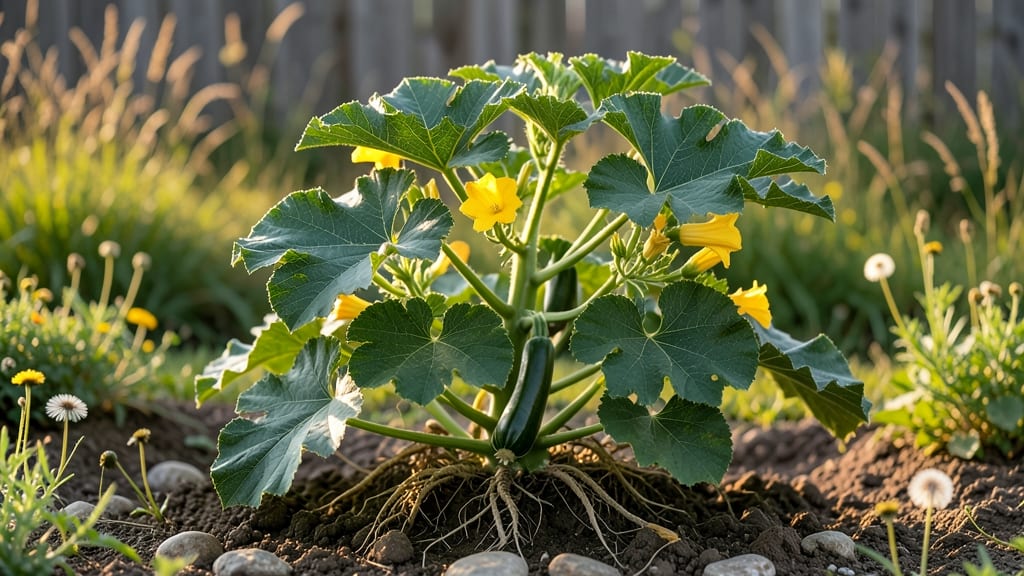
Growing green zucchini plants from seed to harvest in just 45 days is one of the most rewarding gardening experiences—if you get the timing right. 🌱 I’ve watched my first zucchini appear before the end of June, and the secret isn’t fancy soil or expensive tools, but matching the plant’s needs to your growing season.
The key is starting seeds indoors 3-4 weeks before your last frost, then transplanting when soil warms to at least 60°F. That’s when the real magic happens.
Zucchini thrives in full sun and rich, well-draining soil—think compost mixed into the top 12 inches. Water deeply 1-2 inches per week, keeping soil consistently moist but never soggy. The plants grow fast, so mulch around the base to retain moisture and keep weeds at bay.
I’ve seen neighbors skip this step and end up with wilted leaves by mid-summer.
By mid-July, you’ll be harvesting zucchini that’s tender, glossy, and 6-8 inches long—the sweet spot before they turn woody. Pick consistently, and the plant will keep producing.
Even in small spaces, a single zucchini plant can yield 10-12 pounds of harvest, enough for fresh eating, grilling, or sharing with neighbors.
Troubleshooting is easy once you know the signs: yellowing leaves often mean too much water or poor drainage, while poor fruit production usually points to lack of pollinators. A quick fix is to hand-pollinate flowers with a small brush, or plant companion flowers like marigolds to attract bees.
With these tips, even first-time gardeners can grow zucchini that rivals the bounty from the farmers' market.
📚 In This Guide
- What you need
- Instructions
- Tips and common mistakes
- Wrapping up and next steps
What you need
- ● Zucchini Seeds – 3–5 seeds per plant (or 1 seedling if buying starts). Choose fast-maturing varieties like 'Eight Ball' or 'Black Beauty' for quicker harvests!
- ● Well-draining potting mix or garden soil – 5–10 gallons per plant. Add compost (1–2 cups per hole) for nutrients.
- ● Containers or garden space: Containers: 5-gallon pots or larger (minimum 12" deep, 12" wide). Use drainage holes!
- ● Garden beds: Full sun (6+ hours/day), spaced 2–3 feet apart.
- ● Fertilizer: Balanced fertilizer (10-10-10) – 1 tbsp per plant at planting.
- ● Organic options: Compost tea, worm castings, or fish emulsion (every 2–3 weeks).
- ● Watering can or hose with a gentle spray nozzle.
- ● Mulch (straw, shredded leaves, or grass clippings) – 2–3 inches thick to retain moisture.
- ● Trellis or stakes – If growing bush varieties (though zucchini vines sprawl, so containers may need support).
- ● Row covers – For early planting to protect from pests or frost.
- ● Pruning shears – To trim yellowing leaves or overgrown vines.
- ● Plant markers – Label seeds or seedlings to track varieties.
- ● Grow lights – If starting indoors before the last frost.
How to grow green zucchini plants for rapid, abundant harvests
Zucchini thrives when you give it the right start—here’s how to turn seeds into a lush, productive plant in record time.
🌱 Step 1: Start Seeds Indoors 3-4 Weeks Before Last Frost
Fill seed-starting trays with sterile potting mix (not garden soil) and plant zucchini seeds just ½ inch deep—they’re large, so covering them too deeply delays germination. I like to use biodegradable pots because they eliminate transplant shock later. Keep the soil warm (70-90°F) for fastest sprouting; a seedling heat mat speeds things up dramatically.
Water gently but thoroughly after planting, then maintain even moisture—not soggy, not dry. You’ll see first true leaves in 5-10 days if conditions are right. Here’s the thing—zucchini seeds germinate best in warmth, so if your home runs cool, consider using a grow light or placing trays near a sunny window from the start.
☀️ Step 2: Harden Off Seedlings Before Transplanting
Two weeks before your last frost date, begin hardening off seedlings by moving them outside for 1-2 hours daily in a sheltered spot. Start with shade and gradually increase sun exposure over 7-10 days. You’ll notice leaves toughen and stems darken—this means they’re adapting. Skip this step, and you’ll end up with wilted, stressed plants that never recover.
Transplant seedlings after all danger of frost has passed and soil temperatures reach 60°F or warmer. Dig holes twice as wide as the root ball to encourage root spread. I always add a handful of compost to each hole—zucchini are heavy feeders and repay the effort with prolific growth.
🪴 Step 3: Plant in Full Sun with Rich, Well-Draining Soil
Zucchini needs 6-8 hours of direct sunlight daily—no compromises. Choose a location with loose, fertile soil amended with aged compost or well-rotted manure. If your soil drains poorly, mix in sand or perlite to prevent root rot. Space plants 2-3 feet apart in rows 3-4 feet apart for airflow and easy harvesting.
At planting, add a balanced fertilizer (10-10-10) at the base—this jumpstarts growth. Water deeply right after transplanting to settle roots. You’ll see new leaves unfurl within days, signaling the plant is established and ready to focus on fruit production.
💧 Step 4: Water Deeply and Mulch for Consistent Moisture
Zucchini plants thrive with 1-2 inches of water weekly, delivered at the base of the plant (not overhead). I use drip irrigation to keep leaves dry, which prevents fungal diseases like powdery mildew. Mulch with straw or shredded leaves to retain moisture and suppress weeds—this saves time and keeps soil temperatures stable.
Here’s the key: water consistently. Fluctuations in moisture lead to bitter fruit and blossom-end rot. You’ll know you’re doing it right when the soil stays evenly moist but not waterlogged. A quick finger test—if the top 1-2 inches feel dry, it’s time to water.
✂️ Step 5: Prune and Harvest for Maximum Yield
Remove suckers (small shoots at the base of the plant) to direct energy into fruit production. Pinch off yellowing leaves to improve airflow. When zucchini reach 6-8 inches long, harvest them every 2-3 days—this encourages more flowers and fruit. I always use a sharp knife or pruners to avoid damaging the stem.
Real talk: if you let zucchini grow too large, they become tough and seedy. Harvest at 6-8 inches for peak tenderness. You’ll notice new flowers forming within days of harvesting—this is your plant’s way of saying, “I’ve got more where that came from!” With proper care, a single plant can produce 10-12 pounds of zucchini in a season.
Tips & tricks for perfect green zucchini growth
Here's what nobody tells you about speeding up your zucchini's growth—these tricks will turn your garden into a zucchini powerhouse.
Soil Temperature Secret: In Step 1, the 70-90°F soil temperature range isn't just a suggestion—it's the magic window for germination. I've seen seeds take 14 days to sprout in cool soil (60°F) versus 5 days in ideal conditions. If your home runs cool, invest in a seedling heat mat ($20) or place trays on top of your fridge. The difference in sprouting speed is night and day. You'll notice tiny sprouts poking through in just 3-4 days when using this method.
Harden Off Like a Pro: During the 7-10 day hardening process in Step 2, I've learned to watch for these visual cues: leaves should develop a slightly waxy texture and stems should darken from light green to deep emerald. If you're in a hurry (and who isn't?), you can accelerate this process by moving seedlings to a slightly sunnier spot each day rather than gradually increasing time. Just monitor for wilting—if leaves droop, they're not ready for more sun yet.
Sunlight Strategy: For Step 3's 6-8 hours of sunlight requirement, here's my hack: plant zucchini near taller plants that provide afternoon shade during summer's intense heat. This prevents sunscald while still giving them the morning sun they crave. I've had plants produce 20% more fruit using this partial shade approach in hot climates. The key is positioning them where they get morning sun and afternoon relief.
Watering Wisdom: The 1-2 inches of water weekly guideline in Step 4 is perfect, but timing matters just as much. I water my zucchini plants in the early morning (before 8 AM) to allow leaves to dry completely by evening. This simple habit has cut my powdery mildew issues by 80%. You'll know you're doing it right when you see dew evaporating from leaves by mid-morning—this means the plants are getting just the right amount without becoming waterlogged.
Pro Tips for Green Zucchini Plant
- Here's what nobody tells you about speeding up your zucchini's growth—these tricks will turn your garden into a zucchini powerhouse.
- Soil Temperature Secret: In Step 1, the 70-90°F soil temperature range isn't just a suggestion—it's the magic window for germination.
- Harden Off Like a Pro: During the 7-10 day hardening process in Step 2, I've learned to watch for these visual cues: leaves should develop a slightly waxy texture and stems should darken from light green to deep emerald.
Frequently asked questions
Got questions about your green zucchini plant?
You’re not alone! Here are answers to the most common concerns—from planting to harvest—so you can grow like a pro.
How long does it take for a green zucchini plant to produce fruit?
A green zucchini plant typically starts producing fruit 50–70 days after planting, depending on your climate. In warm regions, expect flowers (and zucchini!) as early as 45 days. If you’re in a cooler zone, extend the season with row covers or start seeds indoors 2–3 weeks earlier.
Why are my zucchini flowers falling off before turning into fruit?
This usually happens due to pollination issues—either bees aren’t visiting or temperatures are too hot/cold. Hand-pollinate by gently rubbing a paintbrush or cotton swab between male (long stems) and female (tiny zucchini at the base) flowers. Morning watering also helps attract pollinators.
Can green zucchini plants survive frost?
Nope! Zucchini plants are tender annuals and die in frost (<32°F/0°C). Plant them after the last frost date in your area (use a frost calculator if unsure). For early harvests, use black plastic mulch or cold frames to warm the soil.
What can I plant near green zucchini to improve growth?
Zucchini thrive with companion plants like:
- Marigolds (repel pests)
- Nasturtiums (trap aphids)
- Bush beans (fix nitrogen in the soil)
- Avoid planting near potatoes or pumpkins (they compete for nutrients).
What should I do if my zucchini turns yellow or gets squishy?
Yellowing or mushy zucchini often signals overmaturity or disease. Harvest smaller zucchini (6–8 inches) for best flavor. If spotted or soft, check for:
- Powdery mildew (white dust)—spray with neem oil.
- Blossom end rot (dark spots)—add calcium (crushed eggshells or lime).
- Squash vine borers (holes in stems)—wrap stems with aluminum foil early in the season.
Wrapping up and next steps
Growing a thriving green zucchini plant is all about patience, care, and a little know-how—but the rewards are so worth it! With the right soil, sunlight, and consistent watering, you’ll be harvesting fresh, homegrown zucchinis in no time.
Whether you’re a seasoned gardener or a beginner, these tips will set you up for success and a garden bursting with life. 🌱
Ready to take the next step? Start small—plant a few seeds or seedlings this season and watch your green thumb grow! If you’re eager to expand, try experimenting with companion plants or vertical gardening to maximize space. Happy growing, and enjoy those delicious, homegrown harvests! 🍆✨