
Planting
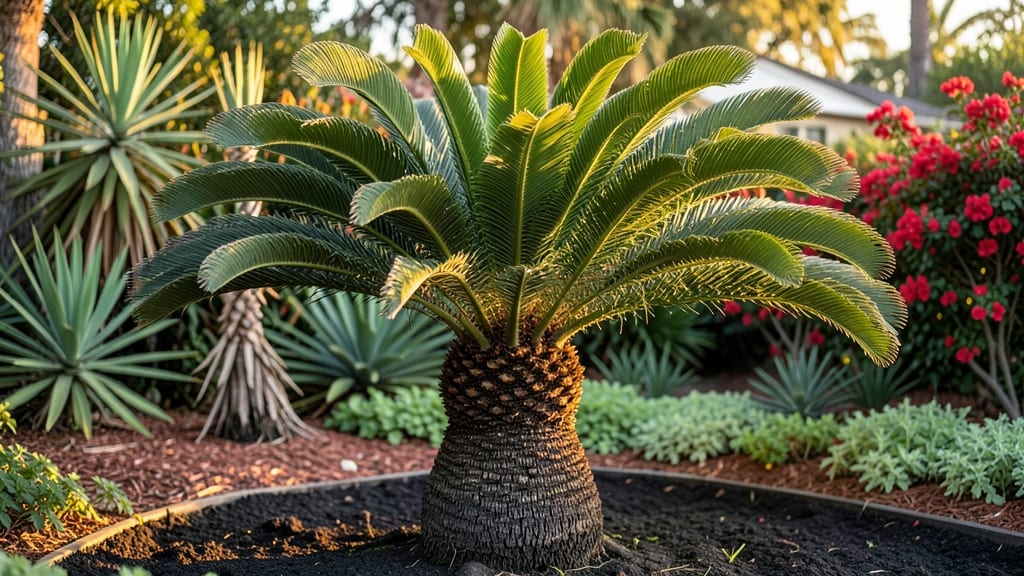
Hardiness zones 10 and 11 offer the warmest gardening climates, where winter temperatures stay above 30°F (-1°C), letting tropical and subtropical plants grow year-round with almost no frost risk. Zone 11 is the hottest, while Zone 10 has slightly cooler winters but still supports heat-loving plants like palms, citrus, and bougainvillea.
These zones are where tropical gardening truly shines, thanks to their consistently mild winters and long growing seasons. 🌴 Zone 11, for example, rarely sees temperatures below 40°F (4°C), making it ideal for plants like mangoes and coconut palms that need near-perfect warmth.
Zone 10, though slightly cooler, still supports a wide range of subtropical species, including avocados and bougainvillea, which thrive with minimal frost exposure.
The key difference lies in their average lows—Zone 10 can dip to 30°F (-1°C) while Zone 11 stays above 40°F (4°C), shaping which plants will survive and flourish in each area.
For gardeners in these zones, the focus shifts from cold protection to managing heat and humidity.
Many plants here need well-draining soil to prevent root rot from frequent rainfall, while others benefit from afternoon shade to avoid scorching. 🌡️ The longer growing seasons also mean you can experiment with year-round planting, but choosing the right varieties for each zone ensures your garden stays lush and productive without extra stress.
💡 In This Article
- Climate and Temperature Differences Between Zones 10 and 11
- Top Plants That Flourish in Zones 10 and 11
Climate and temperature differences between zones 10 and 11
The fundamental distinction between these zones lies in their average annual minimum temperatures. Zone 10 experiences lows between 30°F and 35°F (-1°C to 2°C), while Zone 11 stays above 40°F (4°C)—a seemingly small difference that dramatically impacts plant survival.
This 10°F (5.5°C) gap means Zone 11 can support frost-sensitive tropicals like Monstera deliciosa or Heliconia that would perish in Zone 10's occasional dips below freezing.
Humidity plays an equally critical role. Zone 11's coastal locations often see 70-80% relative humidity year-round, creating ideal conditions for moisture-loving plants like Philodendron or Bird of Paradise. Zone 10's inland areas may experience 50-65% humidity, requiring more drought-tolerant varieties like Yucca or Agave.
The difference becomes apparent in growth cycles—Zone 11 plants often grow 10-20% faster due to consistent warmth and moisture, while Zone 10 plants may enter brief dormancy during cooler winter spells.
Frost-free periods further separate these zones. Zone 11 enjoys 300+ frost-free days annually, allowing for year-round planting of tropical fruits like lychee or rambutan.
Zone 10's 270-300 frost-free days still permit subtropical crops like citrus and avocado, but gardeners must time plantings carefully to avoid late spring frosts that can damage new growth. The 30-day difference in frost-free periods translates to an extra month of potential harvests in Zone 11.
Seasonal care requirements shift dramatically. Zone 11 gardens focus on heat management—providing afternoon shade for delicate foliage and mulching to retain moisture in 90°F+ (32°C+) temperatures. Zone 10 gardens prioritize winter protection, using frost cloths for sensitive plants during 25-30°F (-4°C to -1°C) nights.
The soil temperature differential is equally telling: Zone 11 maintains 65-75°F (18-24°C) soil temps year-round, while Zone 10 drops to 50-60°F (10-16°C) in winter, affecting root activity.
Consider the case of Citrus sinensis (sweet orange). In Zone 11, these trees thrive outdoors year-round, producing fruit continuously. In Zone 10, they require winter protection—either container growing with winter indoor storage or microclimate planting against south-facing walls.
The 10°F difference means the difference between a 20-pound harvest in Zone 11 and a 5-pound harvest in Zone 10 without proper care.
For gardeners transitioning between these zones, the key metric becomes chill hours—the number of hours below 45°F (7°C) a plant experiences. Zone 11 plants typically need 0-100 chill hours, while Zone 10 varieties tolerate up to 300 chill hours.
This explains why Pomegranate thrives in Zone 10 but struggles in Zone 11's heat, while Mango requires Zone 11's consistent warmth to set fruit.