
Planting
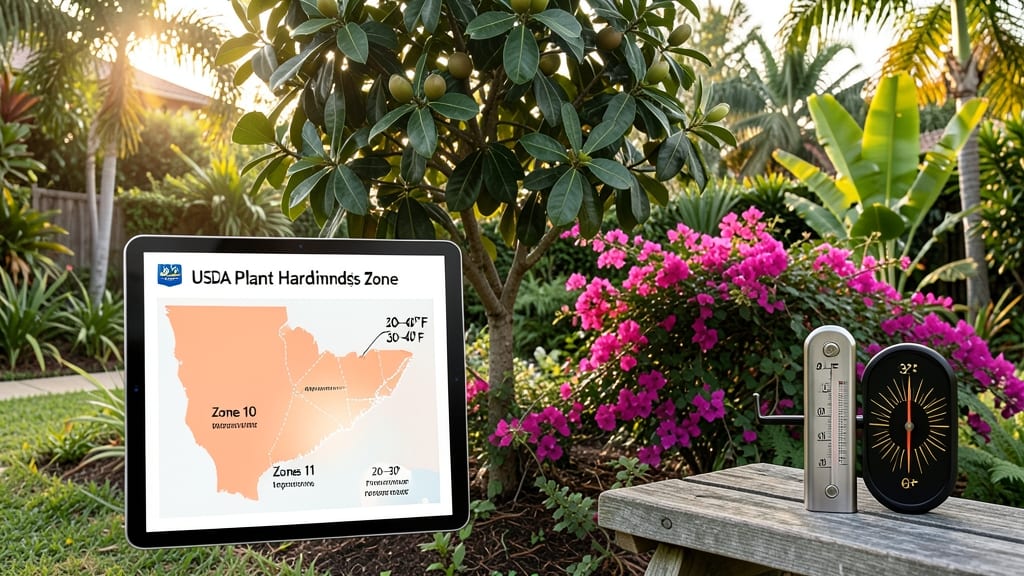
Planting in hardiness zones 10 and 11 lets you grow tropical and subtropical plants year-round thanks to their frost-free climates. Zone 10 experiences mild winters with lows of 30-40°F, while Zone 11 remains above 40°F all year, creating ideal conditions for heat-loving species.
These warmer climates eliminate seasonal planting restrictions, allowing gardeners to cultivate everything from citrus trees to hibiscus bushes without worrying about frost damage. 🌿 The key difference between the zones lies in their coldest temperatures—Zone 11's consistent warmth supports even more delicate plants like coconuts or bananas, while Zone 10's slightly cooler winters suit hardier tropical varieties.
Understanding these temperature distinctions helps you select plants that will thrive with minimal stress, maximizing your garden's productivity throughout the year.
Rainfall patterns also play a crucial role in determining planting windows. In Zone 11, where humidity remains high year-round, you can plant most species at any time, though the wet season (typically summer) is ideal for establishing new plants.
Zone 10's slightly drier winters mean fall planting often yields better results for drought-sensitive varieties. By aligning your planting schedule with local rainfall cycles, you'll give your plants the best chance to establish strong root systems before facing seasonal challenges.
💡 In This Article
- Understanding Temperature Ranges in Zones 10 and 11
- Best Plants for Zones 10 and 11 by Season
Understanding temperature ranges in zones 10 and 11
The defining characteristic of zones 10 and 11 is their frost-free nature, but the temperature differences between them create distinct growing conditions. Zone 10 experiences average winter lows of 30-40°F, while Zone 11 maintains temperatures above 40°F year-round.
This 10°F difference might seem small, but it dramatically affects which plants can survive. For example, citrus trees like Meyer lemons thrive in Zone 11's warmth but may suffer leaf damage in Zone 10's occasional dips below 35°F. 🌡️
Humidity levels further differentiate these zones. Zone 11's consistent warmth creates high humidity environments, ideal for tropical plants like bird-of-paradise or banana trees that require 60-80% humidity. Zone 10's slightly cooler winters allow for better air circulation, reducing fungal diseases that plague moisture-loving plants.
The trade-off? Zone 10's drier winters mean you'll need to water tropical plants 20-30% more during their dormant season to prevent leaf scorch.
Seasonal temperature swings matter too. Zone 10 sees 15-20°F daily variations between summer highs and winter lows, while Zone 11 maintains 5-10°F swings year-round. This stability in Zone 11 supports continuous growth for plants like avocados, which need consistent warmth to produce fruit.
In Zone 10, you'll need to protect tender plants during January-February when temperatures can drop to 32°F for short periods.
Rainfall patterns interact with these temperatures to create planting windows. Zone 11's wet season (typically May-October) brings 40-60 inches of rain annually, while Zone 10 receives 20-40 inches with more seasonal variation.
This means Zone 11 gardeners can plant most species anytime, but Zone 10 gardeners should time plantings to coincide with fall rains for better establishment.
What most gardeners overlook is how these temperature ranges affect soil chemistry. Warmer Zone 11 soils decompose organic matter 30% faster than Zone 10 soils, meaning you'll need to amend with compost every 3-4 months rather than annually.
The faster nutrient cycling supports continuous blooming in plants like hibiscus, but requires more frequent soil testing to maintain balance.
For tropical plants, the critical threshold is 50°F—below this, many species enter dormancy or die. Zone 10's occasional 30°F nights create "micro-dormancy" periods where plants slow growth, while Zone 11's consistent warmth allows perpetual growth cycles.
This explains why Zone 11 supports year-round flowering in plants like plumeria, while Zone 10 varieties may need 2-3 months of rest annually.