
Planting
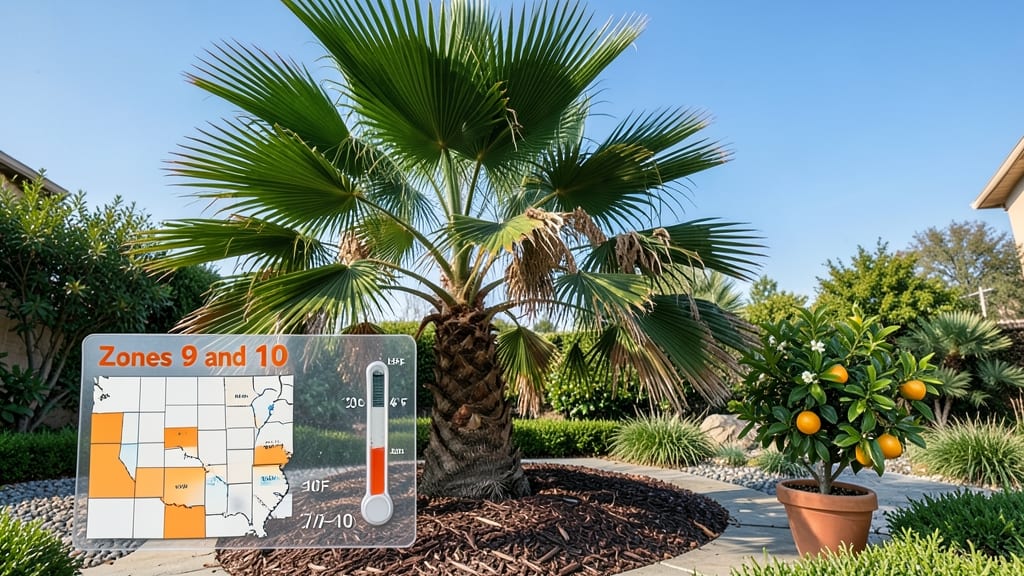
Planting in hardiness zones 9 and 10 means your garden never takes a break—citrus blooms in winter, succulents thrive year-round, and frost protection becomes a seasonal reminder, not a rule. 🌿 I’ve learned that the key isn’t just picking the right plants; it’s understanding how microclimates turn your yard into a tropical oasis where even delicate tropicals survive.
The secret lies in soil prep that mimics natural ecosystems—amending clay with compost to improve drainage, mulching heavily to retain moisture, and choosing drought-tolerant varieties that won’t wilt when summer hits 100°F.
My lemon tree, for example, thrives because I mimic its Mediterranean roots with well-draining soil and winter watering adjustments. You’ll end up with a garden that produces year-round harvests—think winter greens, spring blooms, and summer fruit—while avoiding common pitfalls like overwatering tropicals or ignoring late-season frosts.
The right plants in the right spots mean less work and more rewards. Whether you’re in coastal Southern California or the Florida Keys, these strategies adapt to your local microclimate. Let’s turn your warm-weather garden into a thriving, low-maintenance paradise.
📚 In This Guide
- What you need
- Instructions
- Tips and common mistakes
- Wrapping up and next steps
What you need
- ● Soil: Native topsoil (or well-draining potting mix) – 1-2 cubic yards per 100 sq. ft.
- ● Compost (aged, organic) – 2-3 inches mixed into top 6 inches of soil
- ○ Perlite or pumice (for sandy soil) – 1 part per 3 parts soil (optional for drainage)
- ● Fertilizers: Balanced organic fertilizer (e.g., 5-5-5) – 1 lb. per 100 sq. ft.
- ● Slow-release granules (e.g., Osmocote) – Follow package rates
- ● Citric acid or iron supplements (for acid-loving plants) – As needed
- ● Mulch: Wood chips or straw – 2-4 inches deep (replenish annually)
- ○ Cocoa hulls (optional, for warmth) – 1-2 inches
- ● Garden trowel – For precision planting
- ● Pruners (bypass or anvil) – Sharp, sterilized
- ● Garden fork – For amending heavy clay soil
- ● Wheelbarrow – For hauling soil/amendments
- ● pH test kit – To monitor soil acidity (ideal: 6.0-7.0 for most plants)
- ○ Drip irrigation kit (optional) – For water efficiency
- ● Shade cloth (30-50%) – For young transplants in hot summers
- ● Know your microclimate (e.g., coastal vs. inland heat pockets).
- ● Research drought-tolerant varieties (e.g., bougainvillea, agave) for Zone 10.
- ● Plan for seasonal adjustments—e.g., winter mulch in Zone 9’s cooler months.
- ● Check local frost dates (even in Zones 9/10! 🌡️).
Step-by-step guide to year-round planting in zones 9 and 10
Here’s how to maximize your warm climate’s potential without common pitfalls.
🌱 Step 1: Plan for Seasonal Overlap
Zones 9 and 10 let you grow year-round, but timing is everything. Start by mapping your microclimates—areas that stay warmer or cooler than the average zone. A north-facing wall might stay cooler in summer, while a south-facing patio could handle heat-loving plants even in winter. I always sketch my yard with sun/shade patterns before buying seeds.
Divide your planting into four key windows: early spring (March-April), late spring (May-June), summer (July-August), and fall (September-November). For example, plant heat-sensitive greens like spinach in fall for winter harvests or early spring before summer heat arrives. Succession planting every 6-8 weeks keeps your garden productive continuously.
☀️ Step 2: Choose Plants That Thrive in Heat and Humidity
Not all plants handle Zone 9/10’s consistent warmth and humidity well. Focus on drought-tolerant natives like Texas sage, firebush, or Mexican feather grass, which thrive with minimal water. For vegetables, opt for heat-resistant varieties like Malabar spinach, okra, or ‘Solar Fire’ peppers—these won’t bolt or wilt in 85-95°F temperatures.
Avoid moisture-loving plants like lettuce or cabbage in peak summer unless you provide shade cloth (30-50%) and daily watering. I always check the USDA Plant Hardiness Zone Map and the AHS Heat Zone Map—some plants survive cold but hate summer heat. For example, roses need afternoon shade in Zone 10 to prevent leaf scorch.
💧 Step 3: Master Watering for Year-Round Success
In Zones 9 and 10, watering isn’t just about frequency—it’s about timing. Deep water early morning (6-9 AM) to reduce evaporation and fungal diseases. Let the top 2-3 inches of soil dry out between waterings, but never let roots bake in the sun. I use drip irrigation on a timer for containers and beds—it’s far more efficient than hose watering.
During monsoon-like downpours, prioritize drainage. Raised beds with 1-2 inches of gravel at the bottom prevent root rot, and containers must have multiple drainage holes. Overwatering in humidity is just as deadly as underwatering—watch for yellowing leaves or mushy stems, which signal overwatering.
✂️ Step 4: Prune and Protect During Extreme Heat
Prune early morning or late evening when temperatures drop below 90°F to avoid shocking plants. Remove dead or diseased branches first, then thin out crowded growth to improve airflow. For fruit trees like citrus or avocado, light pruning in summer encourages new growth—but avoid heavy cuts, which stress plants in heat.
Use shade cloth (30-50%) on young or tender plants during 100°F+ spells. I also mulch heavily with 3-4 inches of wood chips or straw to keep roots cool and retain moisture. For container plants, move them to shadier spots or elevate them on brick stands to improve airflow underneath.
🌿 Step 5: Extend the Growing Season with Smart Techniques
Even in warm zones, winter chill hours matter for fruiting plants. For example, peaches need 300-500 hours below 45°F to set fruit. If your winters are too mild, force dormancy by pruning back heavily in late summer and reducing water. For leafy greens, use row covers in winter to protect from light frosts.
To harvest year-round, stagger plantings every 3-4 weeks. For example, sow bush beans in March, June, and September—this ensures a steady supply instead of one big harvest. In containers, rotate crops to prevent soil depletion, and swap out heat-sensitive plants like basil for winter herbs like cilantro or dill when temperatures drop.
Tips & tricks for year-round planting success in zones 9 and 10
Between us, these are the details that separate a struggling garden from a thriving one in our warmest zones.
Microclimate Mapping: Take it a step further than just sketching your yard—use a sun/shade app to track temperature variations throughout the day. I’ve seen north-facing areas stay 10°F cooler than south-facing spots at midday. Mark these zones on your planting map and assign heat-sensitive plants (like lettuce) to cooler microclimates while placing heat-lovers (like okra) in sunnier areas. This precision prevents common failures like bolting or wilting.
Plant Selection Strategy: The 85-95°F range is where many plants struggle, so focus on native perennials that evolved here. For example, Mexican feather grass thrives in full sun with minimal water, while firebush blooms year-round with almost no care. I always cross-reference the AHS Heat Zone Map with my local nursery’s recommendations—some "heat-resistant" varieties they sell actually need afternoon shade in Zone 10.
Watering Precision: That 6-9 AM window for watering is non-negotiable, but here’s the real trick: water deeply enough that moisture reaches 6-8 inches down—this encourages deep root growth. I use a soil moisture meter to check before watering; if the top 2-3 inches are dry but deeper soil is moist, hold off. This prevents the shallow root systems that lead to heat stress during 100°F+ spells. For containers, I weigh them—when they’re 20% lighter than when fully watered, it’s time to hydrate.
Season Extension Hacks: For those 300-500 chill hours that fruiting plants need, try artificial chilling if your winters are too mild. Place potted stone fruits in an unheated garage during winter nights—just 10-15°F drops help trigger flowering. Another game-changer: low tunnels with row covers can extend fall harvests by 4-6 weeks by trapping heat while protecting from light frosts. I’ve added 10-15°F of warmth this way during our coolest months.
Pro Tips for Hardiness Zone 9 10
- Between us, these are the details that separate a struggling garden from a thriving one in our warmest zones.
- Microclimate Mapping: Take it a step further than just sketching your yard—use a sun/shade app to track temperature v...
- Plant Selection Strategy: The 85-95°F range is where many plants struggle, so focus on native perennials that evolved...
Frequently asked questions
What’s the best way to transition plants from cooler zones to 9 or 10?
Acclimate plants gradually by exposing them to increasing sunlight and warmth over 7–10 days. Harden off tender perennials or tropicals by reducing water slightly and shielding them from harsh afternoon sun. Pro tip: Use shade cloth (30–50%) for the first few days to mimic their native conditions.
Can I plant year-round in Zones 9 and 10, or are there “off” seasons?
While frost is rare, avoid planting during extreme heat (100°F+)—roots can scorch. Spring (March–May) and fall (September–November) are ideal for most veggies, flowers, and shrubs. Summer planting works for heat-loving crops like okra or sweet potatoes, but mulch heavily to retain moisture.
What are the toughest plants to grow in Zones 9 and 10?
Some plants struggle with humidity, poor drainage, or pests. Watch out for:
- Citrus trees (susceptible to fungal diseases like brown rot)
- Hydrangeas (can wilt in intense heat without afternoon shade)
- Lavender (needs well-draining soil and may bolt in summer)
- Blueberries (require acidic soil; amend with peat moss or sulfur)
Opt for native or adapted varieties (e.g., Mexican sunflower or bougainvillea) for low-maintenance wins.
How do I prevent pests like whiteflies and aphids in warm climates?
Combine preventive care with targeted solutions:
- Use neem oil or insecticidal soap (reapply every 5–7 days).
- Introduce beneficial insects like ladybugs or lacewings.
- Prune plants for airflow and remove infested leaves immediately.
- Apply reflective mulch (e.g., aluminum foil) to deter soft-bodied pests.
Monitor plants weekly—early action is key!
What’s the deal with “microclimates” in Zones 9 and 10?
Even within a zone, microclimates (e.g., coastal vs. inland, north vs. south slopes) can shift hardiness by 1–2 zones. For example:
Microclimate
Effect on Planting
Coastal areas
Cooler temps, more humidity—great for ferns and camellias but risky for drought-tolerant succulents.
Inland valleys
Hotter, drier—ideal for cacti and olive trees but may stress tropical plants.
North-facing walls
Shadier, cooler—perfect for shade-loving herbs like cilantro or parsley.
Observe your yard for 2–3 weeks to spot these nuances!
Wrapping up and next steps
Growing a lush, year-round garden in Hardiness Zones 9 and 10 is absolutely within your reach—with the right plants, timing, and care! 🌿 From selecting drought-resistant natives to mastering seasonal planting strategies, you now have the tools to transform your outdoor space into a vibrant, low-maintenance paradise.
The key is embracing the unique advantages of your climate while staying adaptable to its quirks.
Ready to dive in? Start small—pick one new plant or technique from this guide and experiment! Whether it’s a bold succulent, a fragrant citrus tree, or a cozy shade garden, every step brings you closer to a thriving, resilient landscape. Happy planting! 🌱