
Planting
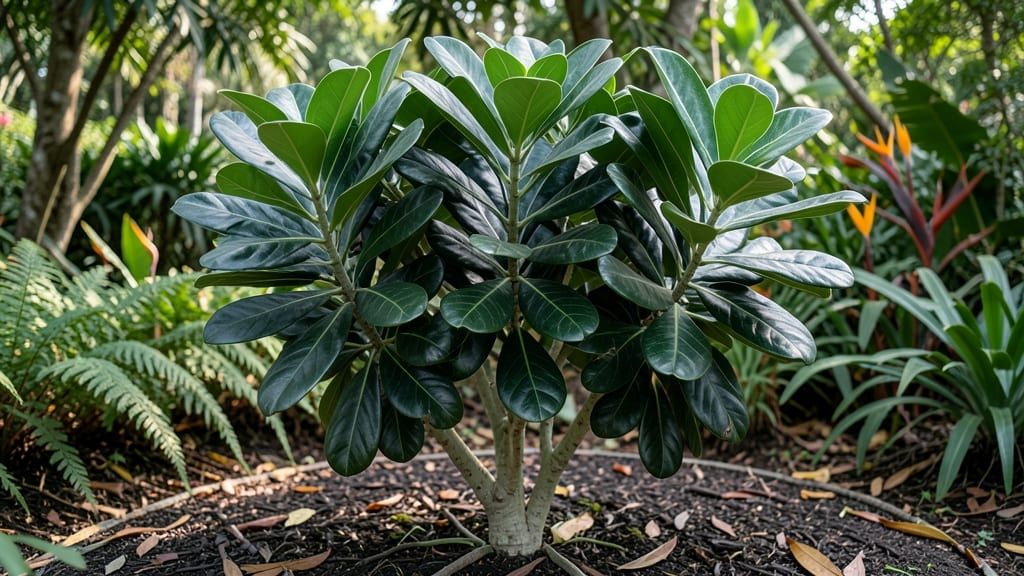
Heart-shaped leaf plant identification means you’ve got a plant collector’s treasure trove waiting to be named. 🌿 Whether it’s the glossy philodendron in your bathroom or the velvety coleus on your windowsill, these leaf shapes hide some of the most popular—and easy to care for—houseplants around. The key to unlocking their full potential starts with knowing exactly which one you’re nurturing, because each variety thrives under slightly different conditions.
Take the classic philodendron, for example—its waxy, deep green hearts are a beginner’s dream, but varieties like Philodendron hederaceum (heartleaf) or Philodendron erubescens (blushing philodendron) need different light levels. Then there’s coleus, with its riot of jewel-toned foliage, where leaf shape can range from scalloped to lobed.
Heuchera, or coral bells, adds a ground-cover twist with its textured, sometimes fuzzy leaves that come in shades of burgundy, silver, or lime. Each one tells a story about its care needs.
Once you spot those telltale heart shapes, you’ll notice how much easier it becomes to troubleshoot—wilting philodendron? Probably underwatering. Yellowing coleus? Too much direct sun. Proper identification turns guesswork into confidence, and suddenly your plant collection goes from "hoping for the best" to "tailored care for every leaf."
Let’s dive into the visual clues that make all the difference.
No more second-guessing which spray to use or how much light to give your plants. This guide cuts through the confusion so you can focus on what matters most: watching your heart-shaped leaf plants grow into the lush, thriving centerpieces they’re meant to be.
Whether you’re dealing with a single pot or a whole room full of greenery, knowing your plant is step one to keeping it happy.
Behind The Leaf Shape Twists
If you’ve ever spotted a plant with heart-shaped leaves and wondered why nature chose that particular shape, the answer lies in a mix of evolutionary biology, environmental adaptations, and even genetic quirks. While many plants sport this iconic silhouette, the reasons behind it vary widely—from survival strategies to reproductive advantages.
Let’s break down the science behind why some plants grow leaves shaped like tiny love notes.
Heart-shaped leaves aren’t just pretty—they’re practical. Plants like the heartleaf philodendron (Philodendron hederaceum) or coleus often thrive in shaded, humid environments where water retention and efficient photosynthesis are critical. Here’s how the shape helps:
- Reduced Water Loss: The pointed lobes of heart-shaped leaves create a drip tip, allowing excess water to roll off quickly. This prevents fungal growth and conserves moisture—especially useful in tropical climates where humidity fluctuates. Pro tip: Mimic this in your care routine by misting leaves occasionally to replicate their natural environment. 💡
- Light Capture Optimization: The broad base of the leaf maximizes surface area for absorbing low-light conditions (common in understory plants), while the pointed tip channels light deeper into the leaf tissue. Think of it like a tiny solar panel with built-in efficiency. 🌞
- Predator Deterrence: Some plants, like the castor bean (Ricinus communis), use jagged or lobed leaves to make them less palatable to herbivores. The irregular shape can signal toxicity or poor digestibility, acting as a natural deterrent. 🚫🐛
Fun fact: The heart shape itself may also help leaves self-clean. Rain or watering can wash away dust and debris from the smooth, curved edges, keeping the leaf’s pores (stomata) unclogged for better gas exchange. 🌧️
Not all heart-shaped leaves are created equal—some are hardwired into a plant’s DNA, while others develop due to environmental cues or growth stages. Here’s what’s really going on at the cellular level:
- Meristem Growth Patterns: The apical meristem (the growing tip of a plant) dictates leaf shape by controlling how cells divide. In heart-shaped leaves, the meristem produces more cells along the midrib (the central vein) than at the edges, creating the classic cordate (heart-like) form. Example: The Swiss cheese plant (Monstera deliciosa) starts with heart-shaped leaves as a juvenile, only developing splits and holes as it matures. 🌱→🍃
- Hormonal Influences: Plant hormones like auxin and brassinosteroids regulate cell elongation and differentiation. An imbalance—often caused by stress, pruning, or even repotting—can lead to abnormal heart shapes (e.g., overly lobed or asymmetrical leaves). Fix it: Use a balanced fertilizer to stabilize hormone levels. 💊
- Hybridization Experiments: Many ornamental plants, like the hedera helix (English ivy) varieties, were bred for their striking foliage. Selective breeding can exaggerate or modify natural leaf shapes, leading to the perfectly heart-shaped varieties we admire today. 🔬
Watch out: If your plant’s leaves suddenly develop unusually pronounced heart shapes (e.g., deep lobes where they weren’t before), it could signal nutrient deficiency (like low nitrogen) or overwatering, which stresses the meristem. Adjust care accordingly! ⚠️
Sometimes, a plant’s leaves take on a heart shape—or distort into one—as a response to stress. While this isn’t always harmful, it’s a red flag that something’s off. Here’s what to look for:
| Stress Factor | How It Affects Leaf Shape | Solution |
|---|---|---|
| Low Light | Leaves may grow larger and thinner with exaggerated lobes (e.g., a pothos developing deep heart-like indentations) as the plant stretches toward light. 🌑 | Move to bright, indirect light (e.g., near an east-facing window) and rotate the plant weekly for even growth. |
| Temperature Fluctuations | Extreme heat or cold can cause irregular cell growth, leading to asymmetrical or cupped heart shapes. ❄️🔥 | Keep temps between 65–80°F (18–27°C) and avoid drafts (e.g., AC vents, open windows in winter). |
| Overcrowded Roots | Root-bound plants may produce smaller, more lobed leaves as they prioritize survival over foliage. 🌿🔄 | Repot into a container 1–2 inches larger with fresh, well-draining soil. |
| Pests Or Disease | Viruses (e.g., tomato mosaic virus) or pests like spider mites can distort leaf growth, sometimes mimicking a heart shape with crinkled or curled edges. 🕷️🦠 | Isolate the plant, wipe leaves with neem oil, and inspect for pests weekly. |
Key takeaway: While some heart-shaped leaves are natural, sudden or extreme changes in shape often mean your plant is crying for help. Pay attention to the rest of the plant—yellowing, wilting, or stunted growth can confirm the root cause. 🕵️♂️
Quick Fixes for Common Heart-Leaf Issues
If your heart-shaped leaf plant is struggling, don’t panic! Most problems—like yellowing leaves, pests, or slow growth—have simple solutions. Below, we’ve mapped common issues to step-by-step fixes, plus pro tips to keep your plant thriving long-term. 🌿✨
Cause: Overwatering, underwatering, or poor drainage. Fix It:
- Check the soil: Stick your finger 1–2 inches deep. If it’s soggy, your plant’s roots are drowning. If it’s bone-dry, it’s thirsty.
- Adjust watering: Water only when the top inch of soil feels dry. Use a pot with drainage holes to prevent root rot.
- Trim damaged leaves: Snip off yellow or brown leaves with clean scissors to redirect energy to healthy growth.
Prevention Tip: 💡 Use a moisture meter or group plants with similar water needs together.
Cause: Weak plants attract pests, or they hitch a ride from other plants. Fix It:
- Isolate the plant immediately to stop the spread.
- Wipe down leaves with a soapy water solution (1 tsp mild dish soap + 1 quart water). Spray both sides of leaves.
- Neem oil spray (1 tsp neem oil + 1 quart water + a drop of dish soap) for stubborn pests. Reapply every 5–7 days.
Prevention Tip: 🔥 Inspect new plants before bringing them home and quarantine them for a week.
Cause: Lack of light, nutrients, or root-bound conditions. Fix It:
- Move to brighter light: Most heart-leaf plants (like Philodendron or Heuchera) thrive in indirect light. A south- or east-facing window is ideal.
- Fertilize lightly: Use a balanced liquid fertilizer (10-10-10) once a month in spring/summer. Skip fertilizing in fall/winter.
- Repot if needed: If roots circle the pot or poke out of drainage holes, upgrade to a pot 1–2 inches larger with fresh potting mix.
Prevention Tip: 🌡️ Rotate your plant every few weeks so all sides get even light exposure.
Cause: Low humidity, fluoride in tap water, or sudden temperature drops. Fix It:
- Boost humidity: Place the pot on a tray of pebbles with water, or use a humidifier nearby.
- Switch to filtered or distilled water if your tap water has high fluoride/chemicals.
- Avoid cold drafts (like AC vents or open windows in winter).
Prevention Tip: ✨ Mist leaves lightly in the morning (but avoid over-misting, which can cause fungal issues).
Cause: Not enough light, leading to weak, elongated stems. Fix It:
- Prune leggy stems just above a leaf node to encourage bushier growth.
- Move closer to a light source (but avoid direct sun, which can scorch leaves).
- Rotate the plant weekly to prevent uneven growth toward the light.
Prevention Tip: 🎯 Start with a well-lit spot and gradually acclimate new plants to brighter conditions.
With these fixes, your heart-shaped leaf plant should bounce back in no time! Most issues are reversible—just act quickly and keep an eye on its needs. 🌟 For persistent problems, double-check your plant’s specific care needs (e.g., Philodendron vs. Heuchera may have slight differences).
Frequently asked questions
What are the most common plants with heart-shaped leaves?
The top 5 heart-shaped leaf plants include Philodendron hederaceum (heartleaf philodendron), Coleus (with its colorful foliage), Heuchera (coral bells), Monstera deliciosa (Swiss cheese plant, juvenile stage), and Pothos (Epipremnum aureum). Each has unique care needs—philodendrons love humidity, while heucheras prefer well-draining soil.
How can I tell if my heart-shaped leaf plant is a philodendron or pothos?
Philodendrons typically have shiny, waxy leaves with prominent veins, while pothos leaves are matte and heart-shaped with scalloped edges. Check the stems too—philodendrons have aerial roots when mature, while pothos has long, trailing vines. Both thrive in low light but philodendrons need slightly more moisture.
Why are my heart-shaped leaves turning yellow?
Yellowing often signals overwatering or nutrient deficiency. Check soil moisture first—water only when the top inch is dry. If roots smell rotten, repot with fresh soil. For yellowing edges, try a balanced fertilizer (10-10-10) every 4-6 weeks. Avoid tap water with fluoride/chemicals if possible.
Can heart-shaped leaf plants grow outdoors?
Most tropical varieties like philodendrons and pothos cannot tolerate frost and must be brought indoors below 50°F (10°C). Hardy options like Heuchera or Hosta (with heart-shaped leaves) thrive outdoors in USDA zones 3-9. Always acclimate plants gradually to outdoor conditions to prevent shock.
How do I propagate heart-shaped leaf plants?
For philodendrons/pothos: Cut a 4-6 inch stem with at least 2 leaves, remove lower leaves, and place the node in water or moist soil. Roots form in 2-4 weeks. Heucheras propagate best from division—separate root clumps in spring. Always use clean tools and fresh potting mix to prevent disease.