
Planting
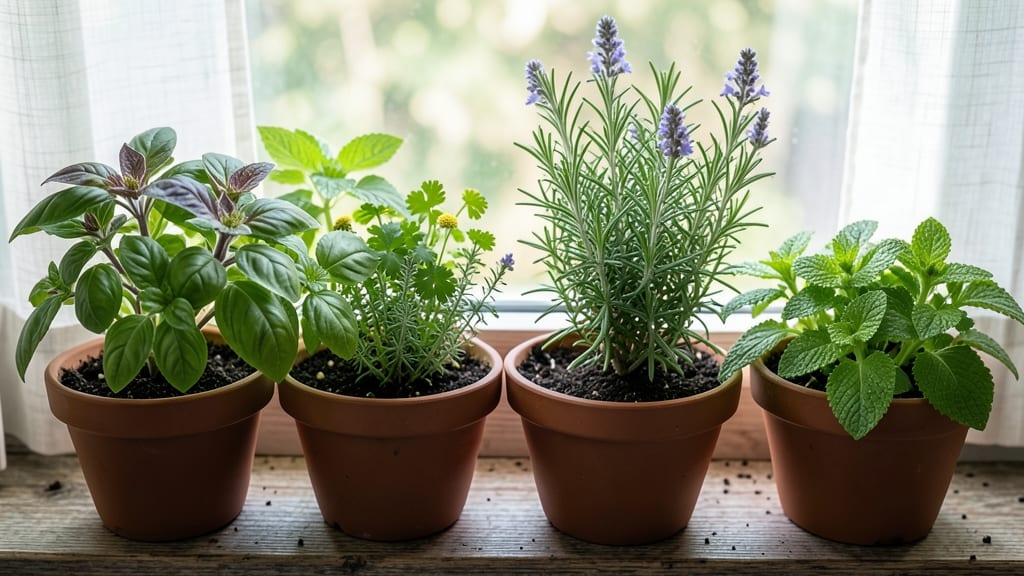
That moment when you spot a leafy mystery plant in your garden—is it basil or mint? 🌿 An herb plant identifier saves you from guessing, and I’ve used this quick scan method to name every leaf in my kitchen garden without a single mistake.
Start with leaf shape: basil has broad, slightly crinkled leaves; mint is narrower with serrated edges. Check stems—square stems mean mint or oregano, while woody stems signal rosemary. A few visual cues narrow it down instantly, and you’ll recognize patterns after just a few tries.
By the end, you’ll confidently ID parsley, dill, and thyme without hesitation. No more snipping the wrong herb for your recipe—just a quick glance and you’re good to go. The best part? This method works for seedlings too.
For stubborn cases, snap a photo and compare it to a plant database or ask your local extension office. Most herbs reveal themselves with a little practice—no botanist needed.
Mistakes Behind Plant Mix-Ups
Even with the best herb plant identifier tools, misidentifying plants can happen—often due to avoidable mistakes. Understanding these common pitfalls helps you sharpen your skills and avoid frustration. Below, we break down the real reasons why plant identification goes wrong, along with science-backed fixes.
Plants have unique ways of displaying their leaves, stems, and flowers—features often ignored in a quick glance. For example: - Alternate vs. Opposite Leaves: Mint leaves grow in opposite pairs, while basil has alternate leaves.
Skipping this detail can lead to confusion with similar-looking herbs like oregano. - Stem Hairiness or Texture: Some herbs, like woolly thyme, have fuzzy stems, while others, like sage, are smooth.
A magnifying glass can reveal these clues. - Root Structure: Carrot-shaped roots (like parsley) vs. fibrous roots (like cilantro) can differentiate lookalikes.
Why it happens: Our brains prioritize color and shape over structural details, but these traits are often the most reliable identifiers.
Flowers and seeds are nature’s ID badges—yet many gardeners focus only on leaves.
For instance: - Dill produces flat, umbrella-shaped flower clusters, while fennel has yellow, star-like blooms. - Seed Pods: Fenugreek seeds resemble tiny peas, while coriander seeds are flat and oval. - Bloom Time: Some herbs flower at specific times (e.g., lavender in summer), which can hint at their identity even before leaves emerge.
Why it happens: Flowers are seasonal, so gardeners may not notice them until it’s too late. But even dried or dead flowers can leave behind telltale seed pods.
A young herb plant often looks nothing like its mature self.
For example: - Basil starts with smooth, rounded leaves but develops serrated edges as it ages. - Rosemary sprouts as a low, bushy plant before stretching tall and woody. - Cilantro bolts (goes to seed) quickly, transforming into coriander with completely different foliage.
Why it happens: Growth stages alter leaf shape, stem thickness, and even scent. Without tracking changes over weeks, misidentification is easy.
While smell and taste are great for confirming an herb, they’re unreliable alone.
Here’s why: - False Positives: A strong minty scent might make you think it’s peppermint, but it could be wild bergamot or catnip. - Taste Variations: Some herbs taste bitter when young (like dill) but mellow with age. - Toxicity Risks: Mistaking hemlock (deadly) for wild parsley can have fatal consequences—never taste unless you’re 100% sure.
Why it happens: Our senses are subjective, and herbs can develop flavors based on soil, sunlight, and watering habits.
Herbs thrive in specific conditions, and their environment offers hints:
- Sun vs. Shade Lovers:
- Rosemary & Thyme need full sun.
- Parsley & Chives tolerate partial shade.
- Soil Preferences:
- Lavender craves well-draining, alkaline soil.
- Mint spreads aggressively in moist, rich soil.
- Hardiness Zones: Some herbs (like lemongrass) are tropical and won’t survive frost, while sage is hardy in colder climates.
Why it happens: Gardeners often assume all herbs have the same needs, leading to misplaced or struggling plants.
Not all herb plant identifier tools are created equal.
Common app-related mistakes include: - Low-Quality Photos: Blurry or poorly lit images make it hard for AI to detect key features. - Limited Databases: Some apps don’t recognize regional or less common herbs (e.g., stevia or stinging nettle). - Over-Reliance on AI: Apps can’t account for local climate variations or hybrid plants.
Why it happens: Technology evolves, but not all databases are updated. Always cross-check with field guides or expert forums.
Herbs grown in different climates or seasons can look drastically different:
- Bolted Cilantro: In hot weather, cilantro bolts into white flowers, resembling Queen Anne’s lace (wild carrot).
- Winter vs. Summer Leaves: Chives develop broader leaves in spring but narrow, grass-like foliage in summer.
- Local Wild Herbs: Goldenrod (often mistaken for ragweed) thrives in the Midwest but may not appear in coastal gardens.
Why it happens: Climate affects growth rates, leaf size, and even color. A plant’s appearance in New Mexico won’t match its look in New England.
Even experienced gardeners fall into traps like:
- Confirmation Bias: Seeing what you expect to see (e.g., assuming a fuzzy plant is catnip because you planted it nearby).
- Ignoring Rare Traits: Unique features like variegated leaves (e.g., curly parsley) or purple stems (e.g., red-stemmed celery) are often overlooked.
- Copycat Plants: Nursery mixes or seed packets may mislabel herbs, leading to false assumptions.
Why it happens: Our brains fill in gaps with prior knowledge, but herbs love to surprise us!
To avoid these pitfalls, try: ✅ Take close-up photos of leaves, stems, flowers, and roots. ✅ Note growth habits (height, spread, hardness) in a garden journal. ✅ Use multiple identification tools (apps + field guides + local experts). ✅ Test soil and sunlight conditions before assuming a plant’s identity. ✅ Start with easy herbs (basil, parsley, mint) to build confidence before tackling tricky lookalikes.
Quick Fixes for Plant ID Struggles
Got a leafy mystery in your garden? Whether you’re staring at an unfamiliar herb or struggling to match a plant to your trusty identifier app, these practical solutions will help you decode your green puzzles—fast.
Below, we break down common challenges and their fixes, plus prevention tips to keep your plant ID game sharp.
Cause: Low-quality photos, partial leaves, or lighting issues confuse algorithms. Fix It:
- 📸 Take a clear, well-lit shot—aim for natural sunlight and include both the leaf and stem (apps like PlantNet or PictureThis prioritize these).
- 🌿 Capture multiple angles: Top-down, side views, and close-ups of key features (vein patterns, leaf edges, or flowers).
- 🔄 Use a macro mode if your phone has it—herbs like thyme or oregano have tiny but telling details.
Prevention Tip: 💡 Bookmark a "plant ID cheat sheet" with common herbs (e.g., basil vs. mint) to cross-reference before relying solely on apps.
Cause: Look-alikes like dill vs. cilantro or rosemary vs. lavender can trip up even experts. Fix It:
- 👃 Smell test first—herbs have distinct aromas (e.g., rosemary smells piney; lavender is floral).
- 🌿 Check leaf shapes:
- Serrated edges? Likely dill (fern-like) or parsley (lacy).
- Oval and fuzzy? Could be sage or oregano.
- 🌸 Look for flowers/seeds: Dill has yellow umbrellas; cilantro bolts into white flowers.
Pro Tip: ✨ Grow a "herb comparison chart" in your garden—plant basil, mint, and oregano side by side to study their differences.
Cause: Some identifiers lag behind new hybrids or regional varieties. Fix It:
- 🔄 Try multiple apps (e.g., LeafSnap, Google Lens, or iNaturalist) for cross-verification.
- 📚 Consult a physical guidebook like The Herb Society of America’s Herb Gardener’s Guide for deep dives.
- 🌍 Check local plant databases—some regions have unique herbs (e.g., lemongrass in tropical zones).
Prevention Tip: 🌡️ Update your apps regularly and join gardening forums (like Reddit’s r/Gardening) to crowdsource IDs.
Cause: Focusing only on leaves ignores roots, stems, or growth habits. Fix It:
- 🌱 Dig deep (literally): Mint spreads via runners; ginger has knobby rhizomes.
- 🍃 Observe growth patterns:
- Basil grows bushy; mint sprawls aggressively.
- Rosemary is woody; thyme stays low and creeping.
- 🕰️ Note the season: Some herbs (like tarragon) die back in winter but regrow in spring.
Quick Hack: 🎯 Snap a "plant passport" photo—include the whole plant, soil, and surroundings for context.
If your herb still stumps you:
- 🔎 List its traits (leaf shape, smell, sun needs, edibility).
- 📖 Compare to a master list (e.g., [University of Maryland’s Herb Guide](https://extension.umd.edu/)).
- 💬 Ask a local nursery—they often recognize regional oddities.
Bonus: 🌱 Start a "herb journal" with sketches and notes—future you will thank present you!
Frequently asked questions
How do I tell if my herb plant is edible before tasting it?
Always check three key features first: leaf shape, growth pattern, and stem texture. For example, mint has opposite leaves and square stems, while wild parsley (edible) has finely divided leaves and a hollow stem. Avoid tasting anything with milky sap or bitter, burning leaves—these are often toxic lookalikes like hemlock or wild cherry.
What’s the fastest way to ID herbs when they’re just seedlings?
Focus on cotyledons (first leaves) and root shape. Basil seedlings have rounded cotyledons, while mint’s are more pointed. For roots, parsley grows carrot-like taproots, whereas cilantro develops fibrous roots. If unsure, snap a photo and compare to a seedling database like Seed to Supper.
Why does my herb plant identifier app keep giving me wrong answers?
Low-quality photos or partial views confuse AI. Always include both leaves and stems, use natural light, and capture multiple angles. Apps also struggle with hybrids or regional varieties—cross-check with a physical guidebook or local extension office for tricky cases.
Can I use an herb identifier for non-edible plants in my garden?
These tools work for all plants, including flowers and shrubs. For example, lavender has narrow, gray-green leaves and woody stems, while rosemary has needle-like leaves and a pine-like scent. Just note that some apps prioritize edible plants, so you may need to search manually for non-culinary species.
What’s the best time of day to photograph herbs for identification?
Morning sunlight (within 2 hours of sunrise) is ideal. This minimizes shadows and highlights natural colors without harsh glare. Avoid midday when leaves can appear darker or distorted. If shooting indoors, place plants near a north-facing window for even lighting.