
Planting
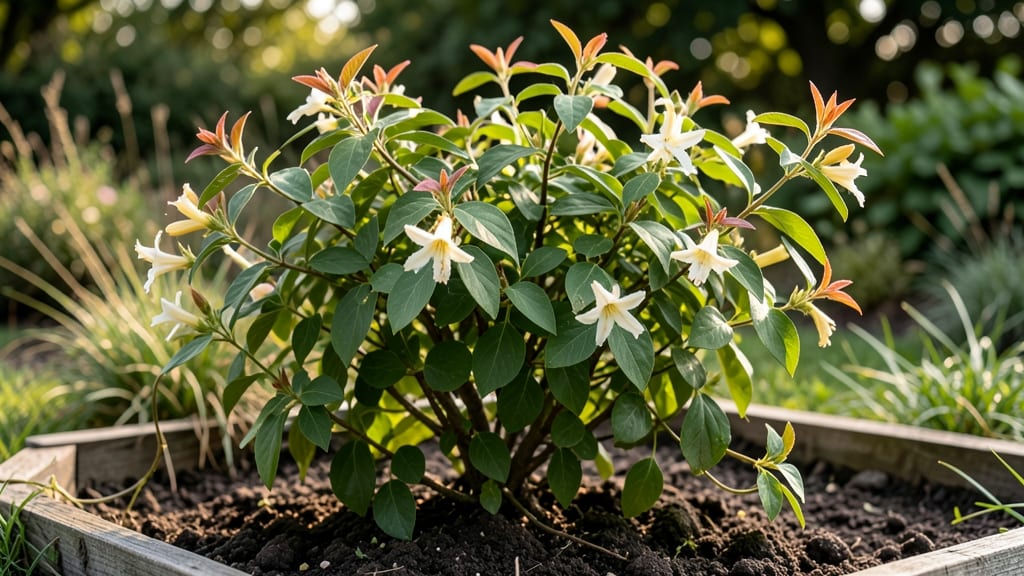
Your honeysuckle plant leaves turning yellow isn’t just an eyesore—it’s a cry for help from your fragrant climber 🌸.
Picture this: You’ve spent weeks coaxing new growth, only to wake up one morning and find those lush green leaves fading to yellow. What’s happening? Is it too much water?
A hidden pest? Or something more serious? The good news? Most yellowing issues have fast fixes, and catching them early can save your honeysuckle before it’s too late.
In this guide, I’ll walk you through the three most common causes of yellowing leaves—overwatering, nutrient deficiencies, and fungal infections—and show you how to diagnose each one in minutes. No guesswork, just clear steps to get your honeysuckle thriving again.
You’ll also discover step-by-step solutions tailored to each problem, from adjusting your watering schedule to organic treatments that work in as little as a week. Let’s turn those sad yellow leaves back into the vibrant green your plant was meant to be.

3 Most common reasons honeysuckle leaves turn yellow (and how to diagnose them)
When your honeysuckle plant starts showing yellow leaves, it’s usually a cry for help from your fragrant climber. The good news? Most issues stem from three common culprits: overwatering, nutrient deficiencies, or fungal infections.
Each has distinct symptoms and seasonal triggers—like spring’s damp soil or summer’s intense heat—that can worsen the problem if ignored. Let’s break down how to spot these issues early and what they’re really telling you about your plant’s health.
First, grab a small notebook and jot down these key details: when the yellowing started, which leaves are affected (new growth vs. older leaves), and weather conditions in the past week. For example, recent heavy rain might point to overwatering, while dry, windy spells could signal nutrient stress.
These clues are your first line of defense in diagnosing the problem before it spreads.
🌿
- 1. Overwatering 💧
- Symptoms: Yellowing older leaves first, mushy stems, yellowing between veins, and soil that smells sour.
- Seasonal Trigger: Spring (excess rain + cool soil) or summer (overzealous watering).
- Quick Test: Stick your finger 2 inches deep into soil—if it’s soggy, you’re overwatering.
- 2. Nutrient Deficiency 🌱
- Symptoms: New leaves turn yellow first, stunted growth, and pale yellowing (not brown). Nitrogen deficiency shows as yellowing between veins.
- Seasonal Trigger: Early summer (rapid growth depletes soil) or fall (poor nutrient uptake in cool soil).
- Quick Test: Do a soil test—if pH is below 6.0, nutrients lock out.
- 3. Fungal Infection 🍄
- Symptoms: Yellow spots with dark borders, white powdery growth (mildew), or black spots on leaves.
- Seasonal Trigger: Humid summer or fall (fungi thrive in damp conditions).
- Quick Test: Check undersides of leaves for fuzzy mold or spores.
If your honeysuckle leaves are yellowing due to overwatering, the issue often
How to revive yellowing honeysuckle leaves: step-by-step fixes by cause
Yellowing honeysuckle leaves don’t always mean your plant is dying—often, they signal correctable issues like overwatering, nutrient deficiencies, or fungal infections. The key is acting fast with the right targeted solution. Let’s tackle each cause with simple, eco-friendly fixes you can start today.
First, check the leaf pattern. Uniform yellowing often means water or nutrient issues, while spotted yellowing with brown edges usually signals fungal problems. Grab a small trowel and gloves—we’re getting hands-on to diagnose and fix!
🌿 Overwatering vs. Fungal Issues: Quick Fixes
Overwatering
- Pros: Soft, mushy leaves
- Cons: Yellowing starts at leaf tips
Fungal Infection
- Pros: Spots with yellow halos
- Cons: Leaves may crisp or drop
For nutrient deficiencies, like chlorosis (yellowing between veins), your honeysuckle needs a chelated iron boost. Mix 1 tbsp Epsom salt into the top 2 inches of soil and water deeply. Repeat every 4-6 weeks during growing season to prevent recurrence.
If yellowing persists, test your soil pH. Honeysuckles thrive in slightly acidic soil (pH 6.0-7.0). Use a DIY vinegar-baking soda test: Mix equal parts vinegar and water, then baking soda. If it fizzes, your soil is alkaline—add sulfur to lower pH gradually.
Pruning is your best friend for overwatered honeysuckle. Cut back 1/3 of the plant to improve air circulation, then reduce watering to every 5-7 days. Always prune in early spring or after flowering to encourage new, healthy growth.
To prevent future issues, mulch around your honeysuckle with 3-4 inches of organic mulch (like wood chips) to retain moisture and regulate soil temperature. Avoid mulching too close to the stem—keep it 2-3 inches away to prevent rot.
Remember, consistency is key. Monitor your honeysuckle’s leaves weekly, and adjust care based on what you observe. With these fixes, your plant should bounce back to its vibrant green in just a few weeks! 🌿