
Planting
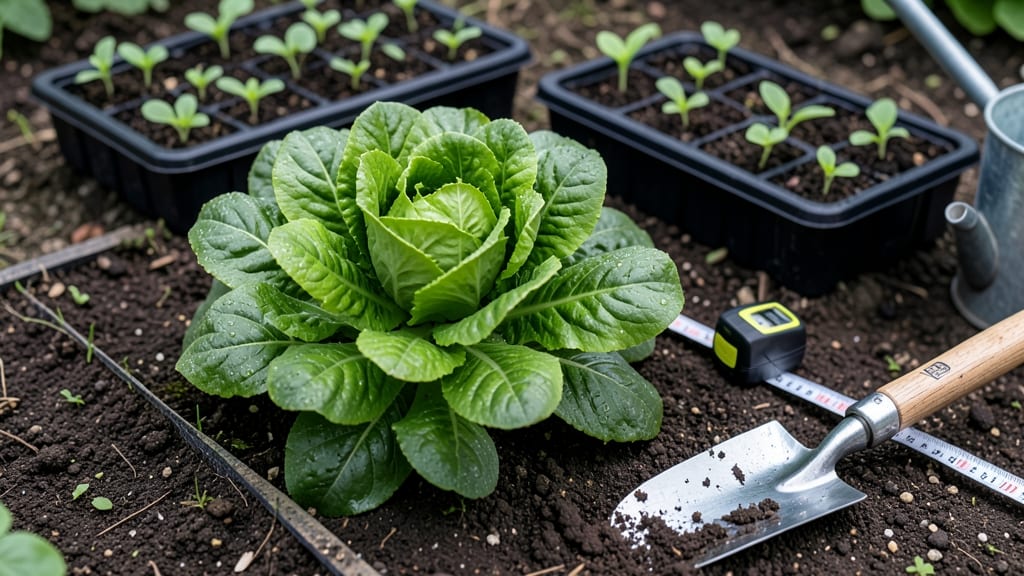
To plant lettuce how close to plant lettuce the right distance apart ensures crisp, flavorful leaves and prevents common garden headaches like bolting or pest infestations.
Struggling to grow lush, leafy lettuce? The secret isn’t just water or sunlight—it’s the spacing between plants. Crowd them too close, and you’ll get bitter leaves and pests; space them too far, and you’ll waste garden real estate.
Lettuce thrives when given room to breathe, but the ideal spacing depends on your variety—leaf lettuce needs less elbow room than head lettuce, and container gardens demand even tighter packing. Below, I’ll break down the exact distances for your garden setup.
You’ll also learn how to adjust spacing for shade, succession planting, and companion crops—plus how to spot (and fix) the most common spacing mistakes before they ruin your harvest.

Ideal lettuce planting spacing by variety for optimal growth
Lettuce spacing makes all the difference between a thriving salad garden and a sad, stunted mess. The right distance between plants ensures airflow, sunlight access, and nutrient competition control. But here’s the catch: spacing varies wildly by variety—loose-leaf lettuce needs room to sprawl, while head lettuce demands tight quarters for that perfect round shape. Let’s break it down so you can plan your garden like a pro.
First, understand why spacing matters. Crowded lettuce competes for water and nutrients, leading to bitter, tough leaves and pest hotspots like aphids. On the flip side, over-spaced plants waste precious garden real estate and leave gaps for weeds.
The sweet spot? It’s all about balancing plant maturity and growth habit. For example, a romaine variety like ‘Little Gem’ stays compact, while a sprawling loose-leaf like ‘Black Seeded Simpson’ needs elbow room.
| Variety Type | Plant-to-Plant Spacing | Row Spacing | Mature Size | Days to Maturity |
|---|---|---|---|---|
| Loose-Leaf (e.g., 'Black Seeded Simpson') | 6–12 inches | 12–18 inches | 12–18 inches wide | 30–45 days |
| Romaine (e.g., 'Parris Island') | 8–12 inches | 12–18 inches | 10–12 inches wide | 45–60 days |
| Butterhead (e.g., 'Buttercrunch') | 10–12 inches | 12–18 inches | 8–10 inches wide | 50–60 days |
| Head Lettuce (e.g., 'Iceberg') | 12–15 inches | 18–24 inches | 10–12 inches wide | 60–80 days |
For loose-leaf varieties, like ‘Oakleaf’ or ‘Salad Bowl,’ I recommend 6–12 inches apart in rows 12–18 inches apart. These plants spread out, so they need room to fill their space without smothering neighbors. Think of them like sunbathing lounge chairs—they need personal space to sprawl comfortably.
If you’re growing cut-and-come-again types, you can even squeeze them 4–6 inches apart for a dense patch, but be prepared to thin seedlings as they grow.
Romaine lettuce, like ‘Cos’ or ‘Little Gem,’ strikes a balance. These varieties stay upright and compact, so you can plant them 8–12 inches apart in rows 12–18 inches apart. The key here is even spacing—if you let them get too crowded, their long, slender leaves will flop and cross-contaminate, leading to bitter flavors and disease spread. Pro
How to adjust lettuce spacing for different garden conditions
Your lettuce patch thrives when spacing matches your garden setup. In raised beds, you can plant lettuce 6-8 inches apart in rows spaced 10-12 inches apart, maximizing vertical space. This tight arrangement works because raised beds drain better, reducing root competition.
For container gardens, use 5-6 inch spacing in 5-7 gallon pots—just ensure each plant gets 4-6 hours of sunlight daily to prevent leggy growth.
When practicing succession planting, reduce spacing to 4-6 inches between plants but stagger plantings every 2-3 weeks. This ensures a continuous harvest while preventing overcrowding. For high-density planting, try interplanting lettuce with fast-growing crops like radishes (harvested in 30 days) or bush beans (ready in 50 days).
Lettuce’s shallow roots won’t compete with these deeper-rooted plants.
In shady gardens, choose shade-tolerant varieties like Black Seeded Simpson or Oakleaf lettuce and space them 8-10 inches apart. These varieties handle 3-4 hours of sunlight daily but still need airflow to prevent fungal diseases like downy mildew.
For interplanting with carrots, space lettuce 8 inches apart in rows 12 inches apart—carrots’ thin leaves won’t block sunlight, and their deep roots won’t disturb lettuce.
| Garden Setup | Plant Spacing | Row Spacing | Best For |
|---|---|---|---|
| Raised Beds | 6-8 inches | 10-12 inches | Loose-leaf varieties |
| Containers | 5-6 inches | N/A (1 plant per pot) | Butterhead or romaine |
| Succession Planting | 4-6 inches | 8-10 inches | All varieties |
| Interplanting (Carrots/Radishes) | 8 inches | 12 inches | Head lettuce |
| Shady Gardens | 8-10 inches | 10-12 inches | Oakleaf or Black Seeded Simpson |
For high-density planting, consider square-foot gardening—plant 16 lettuce seedlings per square foot using 4-inch spacing. This method works best with fast-maturing varieties like Salad Bowl (ready in 30 days).
If you’re growing head lettuce, increase spacing to 10-12 inches to accommodate their larger size and prevent bolting during hot weather.
Always adjust spacing based on your local climate. In cooler regions, you can plant lettuce closer together (5-6 inches) because slower growth reduces competition. In hotter zones, increase spacing to 10-12 inches and provide afternoon shade to keep leaves crisp.
Mulch with straw or shredded leaves to retain moisture and suppress weeds, which helps maintain even spacing naturally.
Experiment with spacing to find what works best for your garden. Start with 6-8 inch spacing in most conditions, then tweak based on growth patterns. With the right spacing, you’ll enjoy bushy, pest-free lettuce all season long! 🥬