
Planting
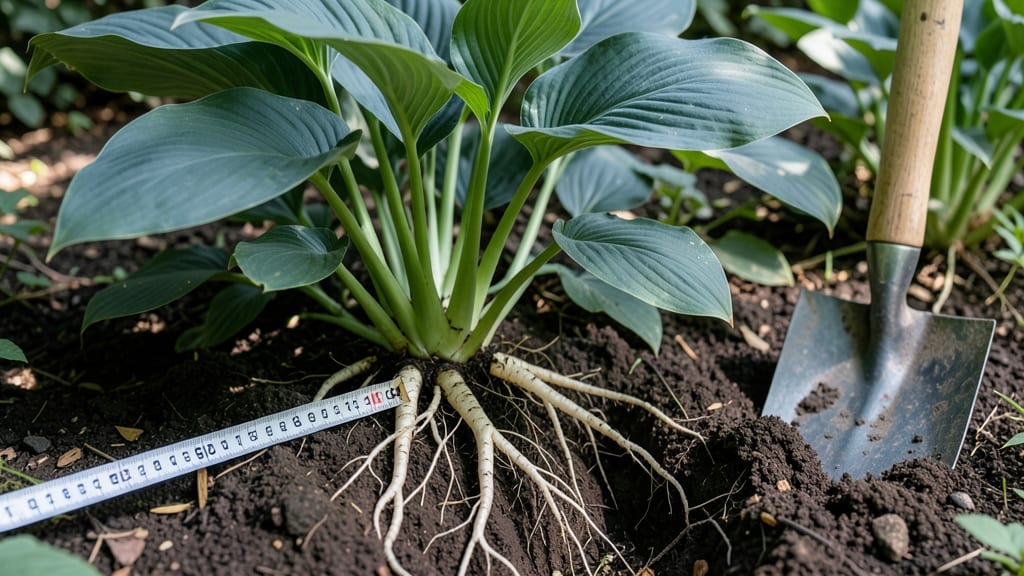
Growing healthy hostas 🌿 depends on knowing how deep their roots spread underground—typically between 12 and 18 inches for mature plants, with younger specimens developing shallower but wider root systems.
If you’ve ever wondered why your hostas seem to struggle despite your best care, the answer might lie beneath the soil—literally. Hostas thrive when their roots have enough space to explore, but planting too shallow or compacting the soil can stunt growth and invite pests.
The key to happy hostas is well-draining, nutrient-rich soil that extends deep enough to accommodate their root spread. In USDA Zone 6a, where spring planting is ideal, preparing the soil properly from the start makes all the difference.
Below, I’ll break down the science of hosta roots, how to plant them at the right depth, and signs that your plants aren’t getting enough room to flourish—plus tips to keep them thriving for years.


How deep hosta roots grow: the science behind their underground spread
Hostas are prized for their stunning foliage, but their true strength lies underground. The root system of a mature hosta typically extends 12 to 18 inches deep, though this varies based on age, variety, and soil conditions.
Unlike shallow-rooted plants, hostas develop a robust network of rhizomes that spread horizontally while also growing vertically. This dual growth pattern ensures stability and access to moisture and nutrients.
Young hostas start with a modest root system, often only 6 to 12 inches deep in their first year. As they mature—usually within 3 to 5 years—their roots expand both deeper and wider, creating a dense web that supports the plant’s lush growth above ground.
Understanding this progression helps gardeners plan spacing, planting depth, and soil preparation for long-term success.
| Factor | Young Hostas (1-2 yrs) | Mature Hostas (3+ yrs) |
|---|---|---|
| Root Depth | 6-12 inches | 12-18 inches |
| Horizontal Spread | 12-18 inches | 24-36+ inches |
| Soil Type Impact | Moderate adaptation | High sensitivity to compaction |
| Seasonal Growth | Slow spring/summer | Rapid spring expansion |
| Planting Depth | 1-2 inches below crown | 2-3 inches below crown |
The rhizome system of hostas is particularly fascinating. These horizontal roots grow outward from the crown, often spreading 2 to 3 feet in mature plants. This horizontal expansion explains why hostas can quickly fill garden spaces and why dividing them every 3 to 5 years is essential to prevent overcrowding.
The rhizomes also store nutrients, helping the plant recover from winter dormancy and fuel early spring growth.
Soil type plays a crucial role in how deep hosta roots grow. In loamy, well-draining soil, roots can penetrate deeper and spread more freely. Conversely, clay-heavy or compacted soil restricts root growth, often limiting depth to just 6 to 10 inches.
Amending soil with organic matter—like compost or aged manure—improves aeration and encourages deeper root development. I’ve found that adding a 2-inch layer of mulch around hostas also helps maintain moisture and protect roots from temperature fluctuations.
Seasonal variations also influence root growth. During spring and early summer, hostas focus energy on expanding their root systems, especially after winter dormancy. By late summer and fall, root growth slows as the plant prepares for dormancy.
This seasonal cycle explains why dividing hostas in early spring or fall yields healthier divisions with established root systems ready for transplanting.
One common misconception is that hostas have shallow roots, leading gardeners to plant them too close to the surface. However, their roots are surprisingly deep, which is why planting the crown at soil level (not buried) is critical.
Burying the crown too deep can suffocate the plant, while planting it too shallow risks exposing roots to extreme temperatures and drying out. Aim for a 2- to 3-inch depth for the crown in well-prepared soil.
For gardeners in container gardening, hosta roots may not grow as deep due to limited space, but they still spread horizontally. Choose containers with a minimum 12-inch depth and ensure drainage holes are present to prevent waterlogging.
In containers, roots often grow 6 to 12 inches deep, but the rhizomes spread aggressively, making division more frequent—sometimes annually—to maintain plant health.
If you’re planning to divide your hostas, timing and technique matter. Dig around the rhizome clumps in early spring or fall, ensuring each division has at least 3 to 5 healthy leaves and a portion of the root system.
Replant divisions at the correct depth, and water thoroughly to encourage root establishment. I’ve seen divisions with even a few roots thrive when given proper care, but larger root systems establish faster.
Monitoring your hostas for signs of root stress can save them from decline. Yellowing leaves, stunted growth, or wilting despite adequate water can indicate root-bound conditions or poor soil drainage. If you notice these signs, it’s time to assess your planting depth, soil quality, or spacing.
Addressing root issues early—such as by dividing overcrowded plants or amending heavy soil—can restore your hostas to their vibrant best.
Understanding how deep hosta roots grow transforms your approach to planting, dividing, and maintaining these versatile perennials. Whether you’re a beginner or a seasoned gardener, giving hostas the right soil depth and space ensures they’ll reward you with years of lush, healthy foliage.
With the right care, your hostas will thrive both above and below ground.
Ideal soil depth for planting hostas: what you need to know
When planting hostas, the depth of your planting hole directly impacts their long-term health. While hosta roots typically spread 12-18 inches deep in mature plants, young hostas need proper initial spacing to establish strong root systems.
Digging a hole that's 6-12 inches deep gives roots room to expand without crowding, preventing future stress.
Many gardeners mistakenly plant hostas too shallow, which exposes their rhizomes (underground stems) and leads to poor establishment. The crown—where leaves meet roots—should sit just below soil level to prevent rot while allowing roots to spread downward naturally.
This simple adjustment can mean the difference between thriving foliage and struggling plants.
Hosta roots grow 12-18 inches deep in maturity. Planting in holes less than 6 inches deep restricts root expansion, causing:
- Stunted growth from limited nutrients
- Yellowing leaves due to poor water absorption
- Crown rot if rhizomes dry out
Loosen the soil at the bottom of the hole to prevent compaction, which can suffocate roots. Add a 1-inch layer of compost or well-rotted manure to improve drainage and fertility. This amendment encourages roots to grow deeper rather than spreading outward in search of nutrients.
For container-grown hostas, the planting depth remains the same, but ensure the container has drainage holes. Place the plant so the top of the root ball sits 1 inch below the rim to allow for mulch. This mimics natural soil conditions and prevents waterlogging during heavy rains.
After planting, water thoroughly to settle the soil and eliminate air pockets. Mulch with 2-3 inches of organic material like shredded bark to retain moisture and regulate soil temperature. Avoid piling mulch directly against the crown, as this can trap moisture and cause rot.
Remember, hostas are slow to show signs of root stress. If you notice yellowing leaves or slow growth in the first year, revisit your planting depth. Deeper roots mean stronger plants that handle drought and pests better—making your shade garden more resilient year after year.