
Planting
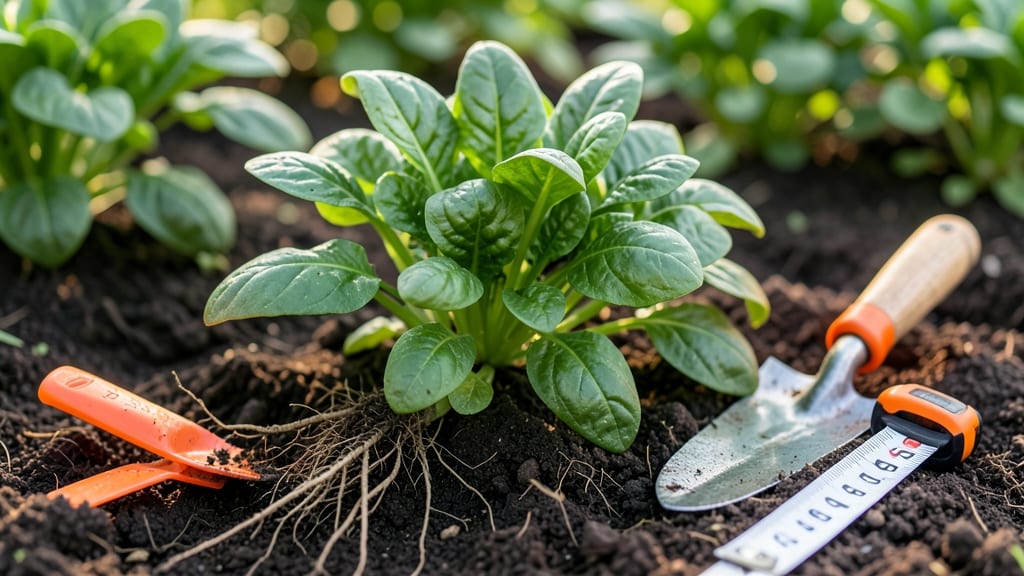
Spinach roots grow between 6 and 12 inches deep, but their true depth depends on soil type, variety, and how you prepare the bed.
Ever wonder why your 🌱 spinach bolts before you even get a harvest? The answer might be in the soil. Shallow roots struggle in compacted ground, while deeper varieties need loose, nutrient-rich layers to thrive. Getting this right is the key to tender leaves all season.
Most gardeners overlook root depth when planting spinach, focusing instead on spacing or watering. But the truth is, soil aeration and depth directly impact how well your plants absorb water and nutrients—especially in USDA Zone 6a, where spring and fall growing seasons demand precision.
In this guide, I’ll break down exactly how deep to plant your spinach, which varieties need more room, and how to tweak your soil for a healthier harvest. No more wasted effort—just lush, ready-to-pick greens.
Optimal spinach root depth: how deep should soil be for maximum growth?
Spinach is one of those fast-growing greens that rewards gardeners with tender leaves—but only if their root systems thrive. Most spinach varieties develop shallow roots that spread horizontally rather than diving deep.
For maximum growth, aim for a soil depth of at least 2-4 inches, though some varieties may need slightly deeper pockets. Understanding these root depth requirements directly impacts your harvest size and plant health.
Why does root depth matter so much? Deeper soil means better nutrient absorption and water retention, especially in sandy soils that drain quickly. Shallow roots in compacted or clay-heavy soil struggle to access moisture and nutrients, leading to stunted growth or early bolting.
Let’s break down the science behind spinach roots and how to optimize your soil for success.
🌱 Key Insight: Spinach roots typically grow 6-12 inches wide but only 4-6 inches deep. This shallow nature makes soil preparation critical for preventing stress and maximizing yield.
If you’re growing baby leaf spinach, prioritize loose, well-aerated soil with a depth of just 2-3 inches. These varieties mature quickly and don’t need deep roots, but they do require consistent moisture.
For heirloom or Savoy types, like Bloomsdale, aim for 3-5 inches of depth to support their slightly deeper root systems and larger leaf production.
Soil type plays a huge role in root development. Sandy soils drain too quickly, forcing roots to spread wider in search of moisture. To compensate, amend with compost or use organic mulch to retain water.
On the other hand, clay-heavy soils can suffocate roots, so loosen the top 6 inches before planting and mix in perlite or vermiculite for better aeration.
Pro tip: Test your soil’s drainage capability before planting. Fill a jar with soil, add water, and time how long it takes to drain. If water pools after 30 minutes, your soil is too dense.
If it drains in under 5 minutes, it’s too sandy. Aim for a 10-15 minute drainage time for optimal spinach growth.
Deeper soil isn’t always better—overly deep planting can lead to rot or pest issues. Instead, focus on creating a loose, nutrient-rich top layer where most roots will thrive. For container gardening, use a minimum 6-inch-deep pot filled with lightweight potting mix to prevent root binding.
One often-overlooked factor is root competition. If you’re planting spinach near deep-rooted crops like carrots or potatoes, their roots can compete for nutrients and limit spinach growth. Instead, pair spinach with shallow-rooted companions like lettuce, radishes, or strawberries to maximize space efficiency.
Finally, remember that root depth affects harvest timing. Plants with restricted root growth may bolt prematurely (send up flower stalks) because they’re stressed. By ensuring your soil meets the 2-4 inch minimum depth and stays consistently moist, you’ll delay bolting and enjoy larger, more tender leaves for weeks longer.
Ready to put this into action? Start by amending your soil this weekend—your spinach will thank you with a bountiful, slow-bolting harvest. 🌿
5 Signs your spinach isn’t getting enough root space (and how to fix it)
Your spinach might be screaming for more room below the soil—literally. When roots can't spread or dive deep enough, they struggle to access water and nutrients, leading to stunted growth and early bolting.
Even if you're watering regularly, compacted soil or shallow planting can choke your plants before they reach harvest size. Let's diagnose the problem and fix it before your spinach turns bitter or flowers too soon.
First, check your soil depth. Most spinach varieties need at least 4-6 inches of loose soil to thrive, but many gardeners unknowingly plant them in containers or beds with hardpan layers just inches below the surface.
This forces roots to grow sideways instead of downward, starving the plant of the moisture and nutrients it craves. The result? Yellowing leaves, slow growth, and plants that bolt before you can harvest a single crisp leaf.
If your spinach leaves are yellowing from the bottom up, it’s a classic sign of nutrient deficiency caused by restricted root growth. The plant can’t reach deeper layers of soil where nutrients like nitrogen and potassium are more concentrated.
To fix this, amend your soil with aged compost or worm castings and consider a light application of fish emulsion to give roots a quick nutrient boost. Avoid over-fertilizing, though—this can encourage rapid leaf growth at the expense of root development.
Another red flag is stunted growth or small, sparse leaves. When roots can’t explore enough soil volume, the plant prioritizes survival over leaf production.
In this case, thin your seedlings to give remaining plants more space—aim for 4-6 inches between plants for shallow-rooted varieties or 8-12 inches for deep-rooted types. If you’re growing in containers, choose larger pots or opt for bushier varieties like Tyee, which tolerate slightly tighter spaces.
Perhaps the most frustrating sign is early bolting, where your spinach sends up a flower stalk before you can harvest a single leaf. This happens when roots are stressed, often due to insufficient depth or heat stress.
To prevent it, plant spinach in early spring or fall when temperatures are cooler, and ensure your soil is moist but well-draining. Mulch with straw or shredded leaves to keep roots cool and retain moisture.
If bolting already occurs, harvest the leaves quickly—they’ll still be tender and flavorful before the plant puts all its energy into seed production.
For container gardeners, the fix is simple: upgrade your pots. A 5-gallon container is the minimum for most spinach varieties, but deeper is always better. If you’re growing in raised beds, add 4-6 inches of fresh potting mix to increase rooting depth.
And remember, shallow-rooted varieties like Baby’s Leaf can handle tighter spaces, while deep-rooted types need room to stretch their legs—literally. With the right soil depth and care, you’ll be harvesting crisp, homegrown spinach in no time.