
Planting
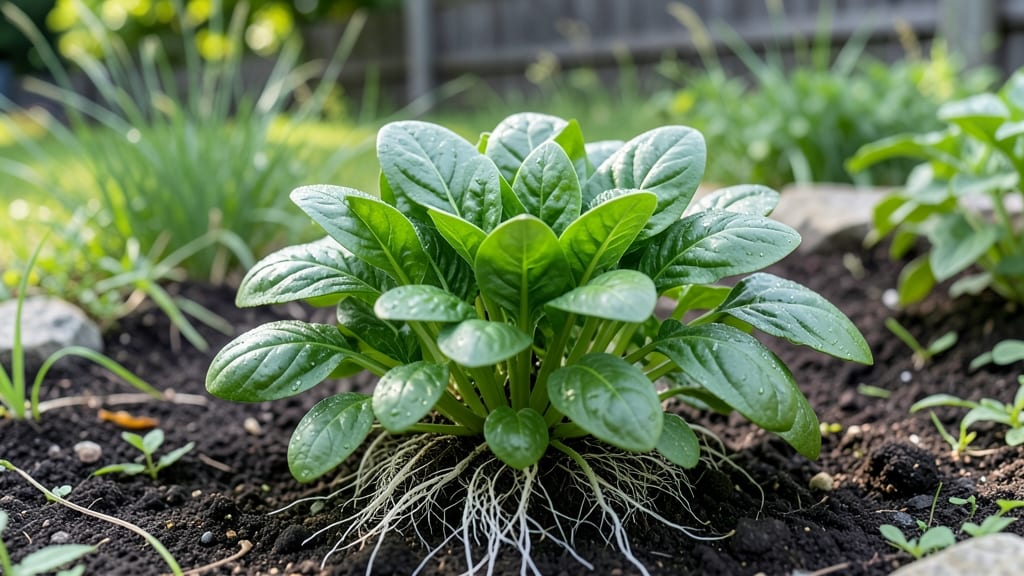
Spinach root depth explained: how deep do they grow?
If you've ever wondered why your spinach plants seem to struggle despite your best efforts, the answer might be hiding just beneath the surface. Spinach roots are delicate and require precise soil conditions to thrive.
Unlike deep-rooted vegetables like carrots, spinach develops a shallow but extensive root system that spreads horizontally while growing vertically to a maximum depth of 6-12 inches. Understanding this depth is crucial for preventing common issues like bolting or stunted growth.
The ideal planting depth for spinach seeds is only ½ inch below soil level, but the roots themselves will spread much deeper as the plant matures. Most of the root mass develops within the top 3-6 inches of soil, which is why loose, nutrient-rich topsoil is essential.
This shallow root system also means spinach is highly sensitive to soil compaction or hardpan layers that restrict root penetration.
Here's a quick breakdown of what you need to know about spinach root development at different growth stages:
| Growth Stage | Root Depth | Key Characteristics | Growth Tips |
|---|---|---|---|
| Seedling (0-14 days) | 0.5-1 inch | Fine fibrous roots forming | Keep soil moist, avoid disturbing roots |
| Vegetative (2-4 weeks) | 3-6 inches | Main root mass develops; lateral spread | Loosen soil to 6 inches deep; add compost |
| Mature (4-6 weeks) | 6-12 inches | Deepest roots seek moisture/nutrients | Mulch to retain moisture; avoid deep cultivation |
| Bolting (stress response) | Shallow or erratic | Roots may shrink; prioritize survival | Harvest immediately; prevent seed production |
The 3-6 inch range during the vegetative stage is particularly critical because this is when spinach develops its leafy biomass. If roots can't penetrate beyond 3 inches due to compacted soil, the plant will struggle to absorb sufficient water and nutrients, leading to yellowing leaves or stunted growth.
This is why gardeners often see better results with raised beds or well-amended garden soil where roots can easily spread.
One common misconception is that deeper planting will produce stronger spinach plants. In reality, planting seeds deeper than ½ inch can delay germination and weaken the emerging seedlings. The roots will naturally seek deeper soil as the plant matures, but forcing depth through over-planting creates unnecessary stress.
For container growing, ensure pots have at least 8-10 inches of soil depth to accommodate mature root systems.
Spinach varieties also play a role in root depth. Baby leaf spinach varieties typically develop shallower roots (3-5 inches) and can be harvested earlier, while mature leaf varieties like 'Giant Winter' may grow roots up to 12 inches deep.
Savoy types often have slightly deeper root systems due to their bushier growth habit. Always check variety-specific recommendations when planning your planting schedule.
Temperature also affects root development. In cooler spring or fall conditions, spinach roots grow more slowly but develop more extensively in the topsoil layer. During hot summer months, roots may grow deeper in search of moisture, but this can accelerate bolting if the plant senses stress.
Maintaining consistent soil moisture helps roots establish properly at their optimal depth.
For gardeners in USDA Zone 6a (like many home gardeners), timing your planting to avoid summer heat is key. Plant in early spring (March-April) or late summer (August-September) when soil temperatures remain moderate.
This timing allows roots to develop in ideal conditions without the stress of extreme heat or cold, which can both limit root penetration and lead to shallow, weak root systems.
If you're preparing a new garden bed for spinach, focus on creating a loose, crumbly topsoil layer at least 6 inches deep. Work in 2-3 inches of compost and avoid heavy tilling that can compact the soil.
For existing garden beds, consider adding a mulch layer after planting to protect the shallow root zone from temperature fluctuations and erosion.
Remember that healthy spinach roots aren't just about depth—they're also about horizontal spread. The roots create a dense network within the top 6 inches that absorbs water and nutrients efficiently.
This is why spinach thrives in well-drained but moisture-retentive soil—it needs consistent access to water without becoming waterlogged, which can suffocate the roots.
Optimal soil depth for spinach: what happens if you get it wrong?
Spinach thrives when planted at the right depth, but many gardeners accidentally plant too shallow or too deep. Baby leaf varieties need just ½ inch of coverage, while mature plants benefit from roots extending 6-12 inches deep.
Understanding these differences prevents common issues like stunted growth or bolting.
If your spinach leaves turn yellow or wilt early, root stress from improper depth is often the culprit. Shallow planting exposes roots to drying winds, while planting too deep can suffocate tender roots, cutting off nutrient flow. Let’s fix these mistakes before your harvest suffers.
⚠️ Warning: How Deep Do Spinach Roots Grow?
Spinach roots typically grow 6-12 inches deep, but the seed-to-soil contact depth matters most. Plant seeds only ½ inch deep—any deeper delays germination. For mature plants, ensure the soil is loose to 12 inches deep to support root expansion.
Signs of wrong depth:
- Yellowing leaves (too shallow)
- Stunted growth (too deep)
- Bolting prematurely (stress)
For savoy spinach, which has crinkled leaves, aim for slightly deeper planting (½-¾ inch) to encourage robust root development. This variety is more forgiving but still needs well-aerated soil. Always loosen the top 6 inches of soil before sowing to prevent compaction.
Compacted or rocky soil? Amend the area with compost or sand before planting. If your soil is heavy clay, mix in organic matter to improve drainage. Spinach roots struggle in waterlogged conditions, so raised beds or containers with well-draining soil work best in problematic areas.
Adjust your planting depth based on the variety. Baby leaf spinach (harvested in 28 days) can tolerate shallower soil, while mature varieties need deeper roots to support larger leaves. Always check seed packets for specific recommendations—some varieties thrive with ¾ inch of coverage.
After planting, keep the soil consistently moist but not soggy. Mulch around plants to retain moisture and prevent soil crusting, which can suffocate emerging roots. With the right depth and care, your spinach will grow lush and ready for harvest in no time.