
Planting
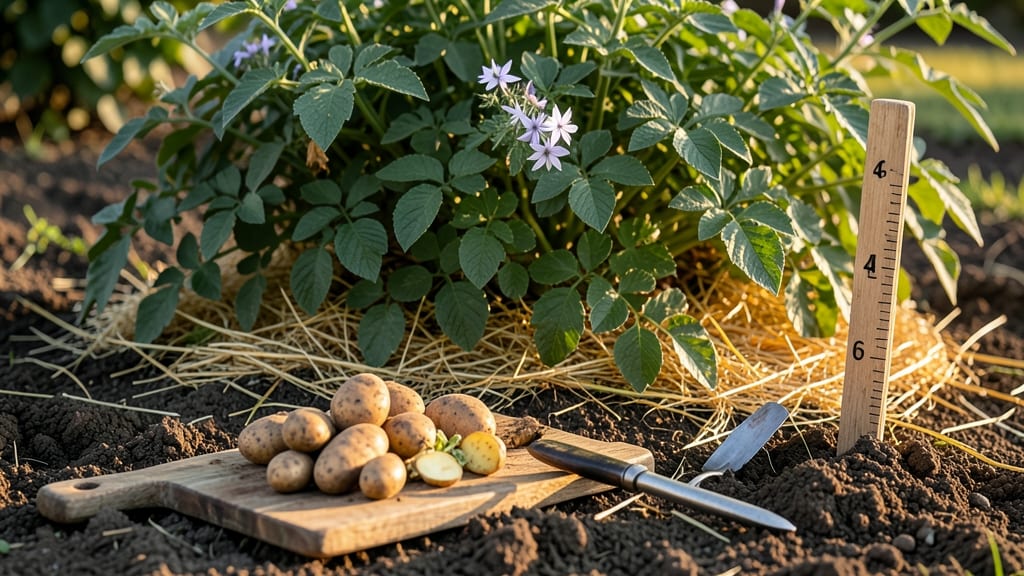
Planting potatoes how deep do you have to plant potatoes sets the stage for a bountiful harvest, but getting it wrong can leave you with stunted yields or even wasted seed potatoes.
Picture this: you’ve spent weeks prepping your garden, and now it’s time to tuck those 🥔 seed potatoes into the soil. But here’s the catch—burying them too shallow risks exposing them to light (hello, green, toxic tubers), while planting them too deep can delay sprouting and reduce your harvest.
The right depth isn’t just about inches; it’s about soil type, climate, and even the variety you’re growing.
In this guide, I’ll break down the science behind optimal potato planting depth, including how to adjust for loose versus heavy soil, regional frost dates, and the best spacing for maximum yield.
Whether you’re a first-time gardener or a seasoned grower, these tips will help you avoid common pitfalls and get the most out of your spring potato patch.
You’ll also discover how to handle cut seed potatoes, when to start hilling, and the warning signs that your depth is off—so you can troubleshoot before it’s too late. Let’s dig in!

Optimal potato planting depth by variety and climate conditions
Getting the planting depth right for your potato varieties is one of the most critical steps to ensure a high-yield harvest. Unlike many crops, potatoes form tubers underground, and their depth directly impacts tuber size and quantity.
The general rule is 4 inches deep, but this can vary based on your potato type and climate zone. For example, russet potatoes thrive with slightly deeper planting, while fingerling potatoes prefer shallower depths to encourage smaller, more abundant tubers.
Climate plays a huge role in determining the best planting depth. In cool climates, like USDA Zones 3-5, you’ll want to plant potatoes deeper to protect them from soil temperature fluctuations and early frost.
Meanwhile, in warmer climates (Zones 6-10), shallower planting helps prevent overheating and moisture loss. Additionally, soil type matters—sandy soils may require deeper planting to retain moisture, while clay soils benefit from shallower depths to avoid waterlogging.
Before planting, always chit your seed potatoes (expose them to light for 2-4 weeks to sprout eyes) and warm your soil to at least 45°F—this ensures faster germination and stronger root development.
If your soil is cold, consider using black plastic mulch to raise the temperature and create a cozier environment for your tubers.
Now, let’s break down the ideal planting depths for common potato varieties and how your local climate should influence your approach:
For cool-season varieties, like russets, deeper planting (up to 6 inches) helps protect tubers from early frost and keeps them insulated. In contrast, warm-weather varieties, such as red potatoes, do better with shallower planting (3-4 inches) to prevent overheating and soil-borne diseases.
Always adjust based on your last frost date—planting too early in cold soil can stunt growth.
Another key factor is soil temperature. Potatoes won’t sprout until the soil reaches 45°F, but ideal germination occurs at 50-60°F. Use a soil thermometer to check before planting.
If your soil is too cold, consider using row covers or planting in raised beds, which warm up faster. In southern climates, where soil heats up quickly, opt for shallower depths and drip irrigation to maintain moisture.
Pro tip: If you’re planting cut seed potatoes (pieces with at least two eyes), place the cut side down and the eyes facing upward
Common mistakes that ruin potato yields (and how to fix them)
Planting potatoes at the wrong depth is one of the most common mistakes that lead to poor yields. Too shallow, and your tubers won't form properly. Too deep, and they'll struggle to reach sunlight for photosynthesis.
The ideal depth is 4 inches, but many gardeners get this wrong—often due to misinformation or impatience.
When potatoes are planted too shallow, they produce small, misshapen tubers that stay near the surface. This happens because the plant focuses energy on reaching the sun rather than developing underground.
On the flip side, planting too deep forces the plant to work harder just to emerge, delaying growth and reducing overall yield.
Another red flag is greening on your potatoes. This happens when tubers are exposed to light after planting—often because they weren't covered deeply enough. Green skin contains solanine, a toxin that can make potatoes bitter or even toxic if consumed in large quantities.
🚨
⚠️ Critical Depth Rule
Plant seed potatoes 4 inches deep—no shallower, no deeper. Use a soil marker or ruler to measure. For cut seed potatoes (with eyes), ensure the eyes face up and are 2-3 inches below soil.
✅ Signs of Correct Depth: Sprouts emerge within 2-3 weeks, stems are sturdy, and foliage grows upright.
❌ Signs of Wrong Depth: Weak stems, slow growth, or tubers forming too close to the surface.
If you've already planted too shallow, don't panic. Add 2-3 inches of soil around the base of the plant to encourage deeper tuber formation. For potatoes planted too deep, gently loosen the soil around the stems to help them reach the surface more easily.
This adjustment should be done within the first 2-3 weeks of planting.
Another mistake is ignoring soil type. Heavy clay soil can smother tubers if planted too deep, while sandy soil may require slightly deeper planting to retain moisture. Always loosen the soil to at least 6 inches deep before planting to give roots room to grow.
Finally, remember that hilling (adding soil around the stems as the plant grows) is key to maximizing yield. This encourages more tubers to form along the buried stem. Start hilling when plants reach 6 inches tall, adding soil in layers to keep stems covered up to the top leaves.
By avoiding these common mistakes, you'll give your potato plants the best chance to thrive and produce a bountiful harvest. Pay attention to depth, soil conditions, and growth cues—your future meals will thank you! 🥔