
Planting
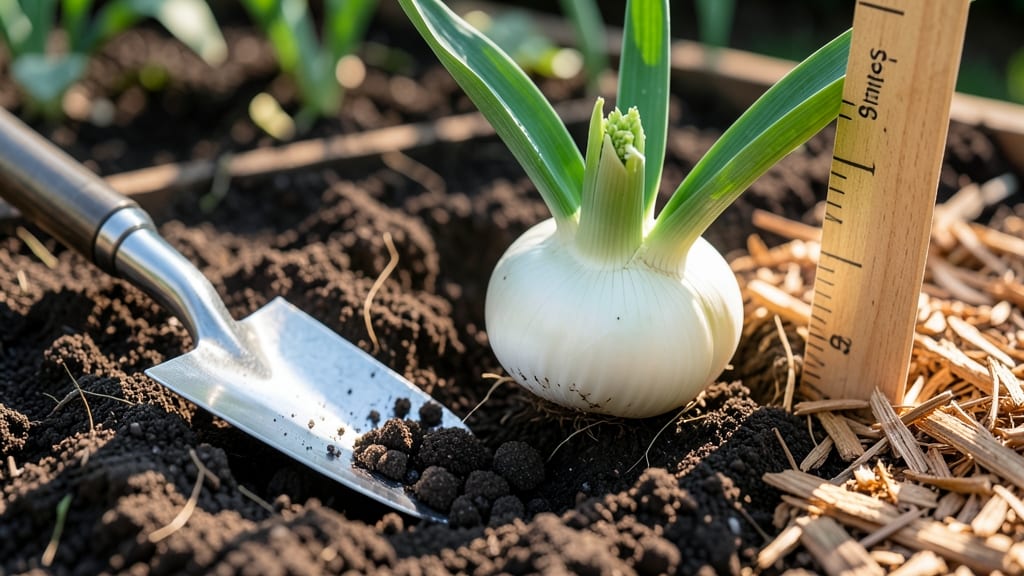
How deep to plant elephant garlic—typically 2 to 4 inches—is the secret to those massive, flavorful bulbs you’ve been dreaming of.
Elephant garlic yields massive, flavorful bulbs—but planting depth makes all the difference. Get it wrong, and you’ll sacrifice size, flavor, and even harvest success.
Most gardeners assume deeper means better, but the truth is more nuanced. Soil type, clove size, and your climate all play a role in determining the perfect depth for your elephant garlic.
In this guide, I’ll break down the exact depth rules for different clove types, how to adjust for sandy or heavy soil, and the 5 mistakes that ruin bulb size before they even form.

Elephant garlic planting depth by clove type (with soil adjustments)
Elephant garlic cloves are massive compared to regular garlic, and their planting depth directly impacts bulb size. Unlike standard garlic, which typically goes 2 inches deep, elephant garlic needs tighter control based on clove size and soil type.
Too shallow, and you’ll get small, weak bulbs—too deep, and sprouting slows or fails entirely.
Clove size varies dramatically—some are 1-2 inches wide, while others reach 3+ inches. Larger cloves need deeper planting (up to 4 inches) to support their growth, while smaller ones thrive at 2-3 inches.
Soil texture also plays a role: Sandy soil drains faster, so plant slightly deeper, while clay soil holds moisture longer, allowing shallower depths.
Here’s the breakdown you need to maximize your harvest:
| Clove Size | Ideal Planting Depth | Sandy Soil Adjustment | Clay Soil Adjustment | Bulb Size Result |
|---|---|---|---|---|
| 1-1.5" cloves | 2 inches | 2.5 inches | 1.5 inches | Medium (4-6 oz) |
| 1.5-2.5" cloves | 2.5 inches | 3 inches | 2 inches | Large (6-12 oz) |
| 2.5-3.5" cloves | 3-4 inches | 4 inches | 2.5 inches | Extra Large (12+ oz) |
For sandy soil, always plant 0.5 inches deeper than the table suggests. The extra depth helps retain moisture long enough for roots to establish before the soil dries out. In clay-heavy soil, reduce depth by 0.5 inches to prevent waterlogging, which can rot cloves before they sprout.
Pro tip: Use your finger as a guide. For a 2-inch depth, your first knuckle is perfect. For 3-4 inches, aim for the second knuckle. Press firmly but gently—elephant garlic cloves are fragile and bruise easily, which can invite rot.
After planting, water deeply to settle the soil around the cloves. Avoid compacting the soil too much, as this can restrict root growth. A light mulch layer (1-2 inches of straw or shredded leaves) helps regulate soil temperature and moisture, especially in dry climates or during hot summers.
One common mistake is assuming all elephant garlic cloves are the same size. Separate them by size before planting—this ensures each clove gets the perfect depth for its potential. Larger cloves planted too shallow won’t develop their full bulb potential, while small cloves planted too deep may never emerge.
If you’re in a cooler climate (zones 3-5), plant 1 inch deeper than the table recommends for extra winter protection. The added depth insulates cloves from freezing temperatures and frost heave, which can push them too close to the surface.
In warmer zones (7-10), stick to shallower depths to encourage faster sprouting.
Finally, test your soil’s drainage before planting. Fill a hole with water, and if it drains in under 2 hours, your soil is too sandy—plant deeper.
If water pools after 4+ hours, amend with compost or perlite to improve drainage before adjusting depth. Well-drained soil is non-negotiable for elephant garlic success.
With the right planting depth and soil prep, you’ll harvest monster bulbs that rival store-bought garlic in size—and outshine it in flavor. Happy planting! 🌱
5 Critical mistakes that ruin elephant garlic bulb size (and how to fix them)
Elephant garlic promises giant bulbs and rich flavor, but planting mistakes can shrink your harvest before it even starts. The wrong depth, spacing, or orientation forces the plant to compete for resources, leaving you with puny cloves instead of the football-sized bulbs you crave.
Let’s fix these common errors before your next planting season.
First, the depth of your cloves determines how deeply the bulb will develop. Plant too shallow, and you’ll get small, weak bulbs. Plant too deep, and the clove may rot before sprouting.
The ideal depth is 2-4 inches, but this varies based on soil type and clove size. Even small miscalculations can lead to stunted growth or disease, so precision matters.
Mistake #1: Planting Too Shallow is the most common error. When cloves sit too close to the surface, they struggle to anchor and develop properly. This forces the plant to send energy upward instead of downward, where the bulb forms. Fix it by using your finger to create a hole 2-3 inches deep—deep enough to cover the clove completely but not bury it too deeply.
⚠️ Warning: Wrong Depth = Tiny Bulbs
Elephant garlic cloves need 2-4 inches of soil to develop properly. Planting shallower than 2 inches results in small, weak bulbs, while deeper than 4 inches risks rot before sprouting. Use a soil probe or your finger to check depth—never guess!
Soil type matters: Sandy soil? Aim for 2 inches. Clay soil? Go 3-4 inches to prevent waterlogging.
Next, incorrect spacing is another silent killer of bulb size. Crowded cloves compete for nutrients, leading to smaller, deformed bulbs. The ideal spacing is 6-8 inches apart in all directions.
This gives each plant room to develop a large, well-formed bulb without stealing resources from neighbors. If you’re planting in rows, space them 12-18 inches apart for even airflow and sunlight.
Mistake #3: Planting Cloves Pointy-End Down might seem logical, but elephant garlic cloves are not oriented like regular garlic. Unlike hardneck garlic, which has a clear top and bottom, elephant garlic cloves are undifferentiated. Plant them flat-side down or sideways—the root plate (the slightly flatter side) should face downward. This ensures the bulb develops upward, not sideways, maximizing size.
Finally, poor soil preparation can sabotage even the perfect planting depth. Elephant garlic thrives in loamy, well-draining soil with a pH of 6.0-7.0. Amend heavy clay with compost or sand, and avoid soggy soil, which causes rot.
A 2-inch layer of mulch after planting helps retain moisture and regulate soil temperature, encouraging larger bulb formation.
By fixing these 5 critical mistakes, you’ll grow football-sized elephant garlic bulbs every season. Start with the right depth, spacing, and orientation, and watch your harvests grow bigger and more flavorful. Happy planting! 🧄