
Planting
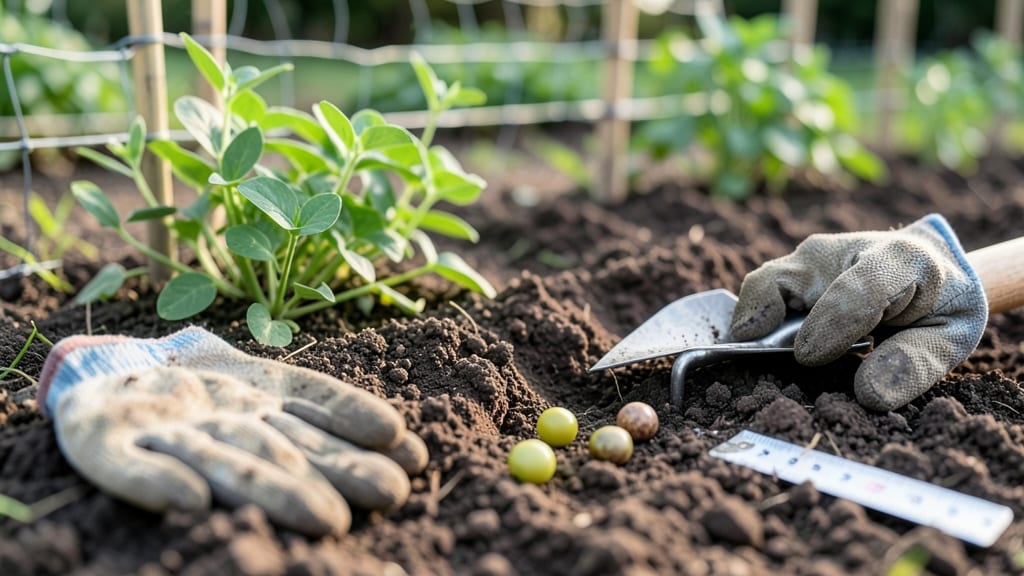
To plant pea seeds the right way, how deep to plant pea seeds is the first question—aim for just 1 inch—any deeper and you’ll smother their growth before it starts.
Struggling with peas that refuse to sprout? The secret might be hiding in your planting depth—getting it wrong can mean the difference between a thriving garden and wasted seeds. Peas are fast growers, but they need the perfect start, and that begins with the soil.
Most gardeners overthink the process, but the truth is simple: peas thrive when planted shallowly, where moisture and warmth can reach them quickly. Too deep, and they’ll rot; too shallow, and they’ll dry out. The key is a balance that keeps them cozy but not suffocated.
In this guide, I’ll walk you through the ideal planting depth, soil prep tricks, and how to adjust for containers or tricky climates. By the end, you’ll know exactly how to set your peas up for maximum success—no guesswork required.

The ideal pea seed planting depth for maximum germination success
Pea seeds are delicate but resilient, and their germination success hinges on one critical factor: planting depth. Too deep, and they’ll struggle to break through the soil; too shallow, and they risk drying out.
The sweet spot for pea seed germination is between ¼ to 1 inch below the soil surface. This range ensures your seeds get the perfect balance of moisture, warmth, and oxygen they need to sprout efficiently.
Why does depth matter so much? Pea seeds contain limited energy reserves compared to larger seeds. Planting them too deep forces them to expend precious resources pushing upward, delaying or preventing germination.
Shallow planting, on the other hand, exposes them to optimal soil moisture and temperature while keeping them close enough to the surface to access sunlight indirectly through the soil.
| Factor | Ideal Specification | Why It Matters |
|---|---|---|
| Planting Depth | ¼ to 1 inch | Balances moisture access and energy conservation for sprouting |
| Soil Temperature | 45°F to 85°F (7°C to 29°C) | Peas germinate best in cool to moderate temperatures; extremes slow or halt growth |
| Moisture Level | Consistently damp | Prevents seed desiccation while avoiding waterlogging, which causes rot |
| Soil Type | Loamy or sandy-loam | Well-draining soils prevent compaction around seeds, aiding root development |
| Spacing | 2-3 inches apart | Reduces competition for nutrients and space, promoting healthier plants |
When planting pea seeds, I always use my finger as a guide—press the seed into the soil until it’s covered by about ½ inch of soil. This ensures consistency, especially if you’re planting multiple rows.
For container gardening, use a depth of ¼ inch to compensate for the faster drying time of potting mixes. Pro tip: Gently firm the soil around the seeds to eliminate air pockets, which can disrupt moisture and oxygen flow.
Soil temperature plays a surprisingly large role in germination success. Peas thrive in cool soil temperatures between 45°F and 85°F (7°C to 29°C). If your soil is too cold (below 40°F or 4°C), germination slows dramatically.
To speed things up in chilly climates, I pre-soak seeds overnight in lukewarm water before planting. This jumpstarts the metabolic processes, giving them a head start in cooler conditions.
Moisture is another non-negotiable factor. Pea seeds need consistent moisture to germinate, but they despise soggy conditions. After planting, keep the soil evenly moist but not waterlogged. A light misting every 1-2 days works well until sprouts appear.
Once seedlings emerge, increase watering to 1 inch per week, focusing on the base of the plants to avoid wetting the foliage, which can invite fungal diseases.
If you’re planting in sandy soil, you might need to plant seeds slightly deeper (½ to 1 inch) because the soil drains too quickly, drying out the seeds. Conversely, in clay-heavy soil, reduce depth to ¼ inch to prevent compaction around the seeds.
Always loosen the soil before planting to improve aeration and root penetration. A quick pass with a garden fork or tiller can make a world of difference for young pea roots.
For direct-sown peas, I recommend planting in early spring, about 4-6 weeks before your last frost date. This timing ensures the soil is workable but still cool enough for optimal germination. If you’re in a warmer climate, consider fall planting for a second harvest.
Just remember: peas are cool-season crops, so avoid planting when soil temperatures exceed 85°F (29°C), as this can stunt growth or even kill seedlings.
One common misconception is that larger seeds need to be planted deeper. In reality, pea seeds are an exception—their small size means they benefit from shallower planting. Over-planting them can lead to rot or failed germination, while under-planting risks exposing them to drying winds or predators like birds.
Strike that balance, and you’ll see faster, more uniform sprouting across your garden.
To test your planting depth, dig up a few seeds after a week. If they’re still dry or haven’t sprouted, you may have planted them too deep. If the soil around them is bone-dry, they were likely too shallow.
Adjust accordingly for your next batch. With the right depth, you’ll see sprouts in as little as 7-14 days, depending on soil conditions.
Remember, the goal is to create an environment where your pea seeds feel like they’re in a cozy, moist blanket—just deep enough to stay protected but close enough to the surface to access the resources they need.
Get this right, and you’ll be rewarded with a lush, productive pea patch in no time! 🌱
Common mistakes that kill pea seeds before they sprout
Even the most patient gardeners can struggle with pea seeds that refuse to sprout. The issue often lies in subtle mistakes during planting—especially when it comes to depth.
Pea seeds need just the right conditions to break through the soil, and getting this wrong can leave them buried too deep or exposed to drying out. Let’s fix these common pitfalls before your next planting session.
One of the biggest culprits is planting pea seeds too deep. Unlike hardy root vegetables, peas have delicate seed coats that require minimal soil coverage to germinate efficiently. When buried too deeply, they struggle to push through the earth, leading to rotting or failed sprouting.
The fix? Keep it shallow—½ to 1 inch is ideal for most varieties.
⚠️ Pea Seed Depth Danger Zone
Planting pea seeds deeper than 1 inch can suffocate them, while less than ½ inch risks drying out. The sweet spot? ½ to 1 inch deep—just enough to protect the seed while allowing easy upward growth.
💡 Pro Tip:
Use your finger to create a shallow trench—pea seeds are tiny, so precision matters!
Another silent killer is compacted soil. Heavy or clay-heavy soils can crush seeds, blocking their access to air and moisture. Before planting, loosen the soil with a fork or tiller to create a fluffy bed.
This also helps roots establish more easily once sprouts appear. Think of it like giving your peas a soft, welcoming mattress to grow into.
Poor drainage is another sneaky problem. If water pools around your pea seeds, they’ll rot before they even think about sprouting. Always plant in a spot with good drainage—elevated beds or mounds work wonders. For container gardeners, ensure pots have drainage holes and use a well-draining soil mix.
A quick test? Dig a small hole, fill it with water, and watch how fast it drains—if it takes more than a few minutes, amend your soil.
Finally, don’t overlook the role of moisture. Pea seeds need consistent dampness to germinate, but soggy soil can drown them. After planting, water gently but thoroughly, keeping the soil evenly moist until sprouts emerge.
A light misting with a spray bottle can help maintain humidity without over-saturating the soil. Mulch lightly with straw or compost to lock in moisture and protect young seedlings.
By avoiding these common mistakes—correct depth, loose soil, and proper moisture—you’ll give your pea seeds the best shot at success. With a little attention to detail, you’ll soon be harvesting sweet, crisp pods instead of staring at empty soil. Happy planting! 🌱