
How To
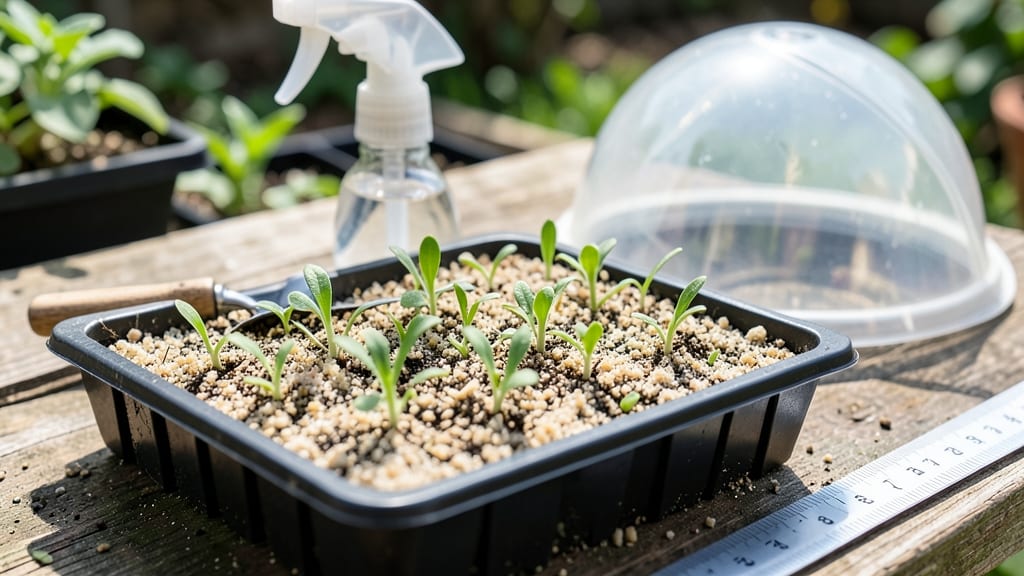
Planting snapdragon seeds at ¼-inch depth is the key to fast, reliable germination—too shallow and they dry out, too deep and they rot before emerging.
Struggling to get your snapdragon seeds to sprout? The secret often lies in planting them at the perfect depth—too shallow, and they’ll dry out; too deep, and they’ll rot before emerging.
Snapdragons 🌸 thrive in well-draining soil with consistent moisture, but getting the depth right is the first step toward strong seedlings. Whether you're starting indoors in March or sowing outdoors in April (Zone 6a), this guide ensures your seeds sprout quickly and grow into vibrant blooms.
Below, I’ll walk you through the exact planting depth for different seed types, how to prep your soil for maximum success, and troubleshooting tips to fix common germination problems before they start.

Optimal snapdragon seed planting depth by seed type (with germination chart)
Getting your snapdragon seeds to sprout reliably starts with planting them at the correct depth. Unlike some flowers, snapdragons have tiny seeds that need precise placement—too shallow, and they dry out; too deep, and they suffocate.
The ideal depth varies slightly by variety, but most snapdragons thrive when planted just 1/8 to 1/4 inch deep.
For indoor starts, I recommend using seed trays with a fine, sterile seed-starting mix. The lighter, fluffier the soil, the easier it is to achieve the perfect depth without compacting the seeds.
If you’re direct-sowing outdoors, wait until the soil warms to at least 60°F (15°C)—cold soil slows germination and increases the risk of rot.
🌱 Pro Tip: Always use a fine-mesh sieve or your finger to create a shallow furrow. Press the seeds gently into the soil—don’t bury them like larger seeds. A light misting afterward keeps them moist without displacing them.
| Seed Type | Planting Depth | Soil Moisture | Germination Speed | Best For |
|---|---|---|---|---|
| Standard Snapdragons | 1/8 inch | Moist (not soggy) | 10-14 days | Indoor starts, outdoor sowing |
| Dwarf Varieties | 1/16 inch | Lightly damp | 12-16 days | Container gardening |
| Giant/Heirloom | 1/4 inch | Consistently moist | 14-21 days | Outdoor beds, cooler climates |
🌿 Note: Adjust depth slightly if your soil is heavy clay (plant shallower) or sandy (plant slightly deeper to retain moisture).
When planting dwarf snapdragons, I’ve found they germinate fastest when barely covered—just 1/16 inch deep. Their tiny seeds need minimal soil to reach light, but they also dry out quicker.
For giant varieties, like ‘Black Prince’ or ‘Allegro’, a slightly deeper 1/4-inch planting helps protect them from drying out in hot, dry conditions.
💧 Moisture Matters: After planting, keep the soil consistently moist (not wet) until germination. Use a spray bottle for indoor starts to avoid disturbing seeds. For outdoor plantings, a light mulch of compost helps retain moisture without smothering the seeds.
If you’re sowing outdoors, wait until nighttime temperatures stay above 50°F (10°C). Snapdragons germinate best in warm soil, but they’ll rot if planted too deep in cold, damp conditions. I’ve had the most success sowing outdoors 4-6 weeks before the last frost in my Zone 6a garden.
Once sprouts appear, thin seedlings to 12-18 inches apart to prevent competition. Overcrowding leads to leggy, weak stems and fewer blooms. Use small scissors to snip unwanted seedlings at soil level—this reduces stress on the remaining plants.
✂️ Quick Fix: If your snapdragons take longer than 3 weeks to sprout, gently press the soil surface with your finger. Sometimes seeds need just a little more light to break through. Avoid disturbing them further once they’ve sprouted!
For faster germination, try pre-soaking seeds in lukewarm water for 12 hours before planting. This trick works especially well for heirloom varieties, which often have tougher seed coats. Just be sure to plant them immediately after soaking to avoid mold.
Common mistakes that kill snapdragon germination (and how to fix them)
Even experienced gardeners sometimes struggle with snapdragon germination. The most common culprits are planting too deep or too shallow, which disrupts the seed's access to both moisture and light. I’ve salvaged countless batches of struggling seeds by addressing these issues early—here’s how you can too.
Another frequent mistake is overcrowding seeds in trays, leading to competition for resources. Snapdragons need space to grow, but many gardeners plant them too close, stunting their development. Let’s break down these mistakes and their fixes so your seeds stand the best chance of sprouting.
⚠️ callout-warning ⚠️
Snapdragon seeds should be planted 1/8 to 1/4 inch deep—any deeper, and they’ll suffocate; any shallower, and they’ll dry out. Use a toothpick or seedling dibber for precision. For outdoor sowing, press seeds gently into loose soil rather than burying them.
Fix: If you’ve already planted too deep, carefully lift the soil and reposition seeds closer to the surface. Keep the area moist but not soggy until sprouts appear.
Soil compaction is another silent killer. If your seed-starting mix feels hard or clumpy, seeds can’t push through easily. I’ve seen germination rates drop by 50% or more in compacted soil. The fix? Fluff your mix with a fork or chopsticks before planting to create air pockets for roots.
Moisture imbalance is equally damaging. Too much water causes rot before sprouting, while too little leaves seeds desiccated. I recommend using a spray bottle for gentle, even moisture rather than a heavy watering can. Keep the soil consistently damp (not wet) until germination.
Temperature mismatches also sabotage germination. Snapdragons thrive at 65-75°F, but many gardeners place trays in too-cold spots (like garages) or too-hot areas (near radiators). Use a seedling heat mat if your home runs cool, or move trays to a sunny windowsill during the day.
Finally, poor lighting after sprouting stunts growth. Once seedlings emerge, they need 12-14 hours of light daily. If your windowsill isn’t enough, supplement with a grow light to prevent leggy, weak plants. This simple step can double your success rate.