
Planting
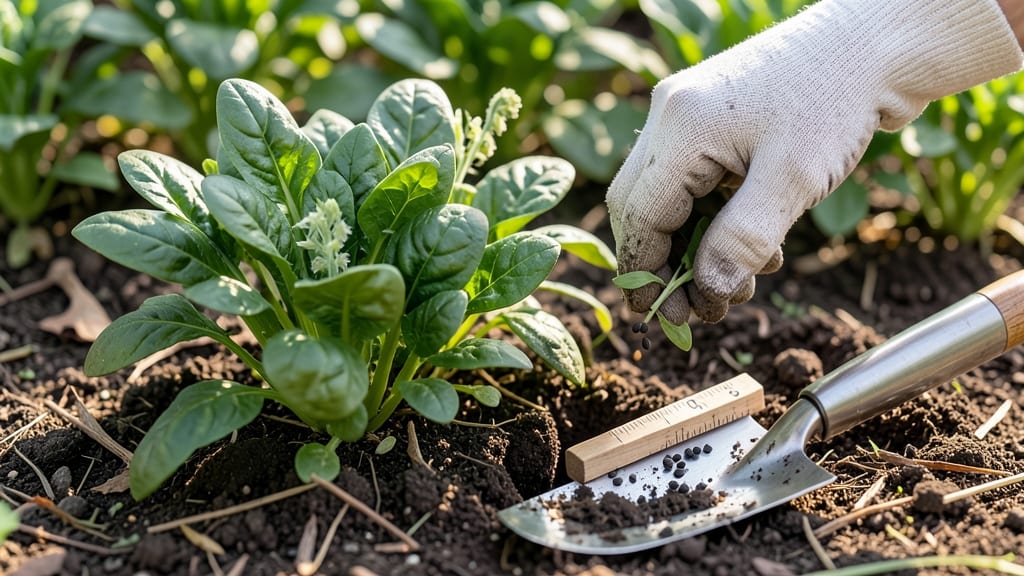
Optimal spinach seed planting depth for faster germination
Getting your spinach seeds to sprout quickly starts with one critical detail: planting depth. Too shallow, and they dry out; too deep, and they struggle to reach sunlight. The sweet spot? A ¼–½ inch depth—this range balances moisture retention with easy access to light.
My first year growing spinach, I planted mine too deep, and germination took nearly 3 weeks instead of the usual 5–10 days. Don’t make my mistake!
The science behind spinach seed germination is all about oxygen and moisture. Seeds need consistent moisture to activate enzymes, but they also require air circulation to breathe. Planting too deep suffocates them, while shallow planting risks drying.
Think of it like a tiny seed blanket—just enough soil to keep it cozy but not smothered. For best results, aim for ½ inch in loose, well-draining soil.
| Factor | Ideal Specification | Effect on Germination |
|---|---|---|
| Planting Depth | ¼–½ inch | Faster, more uniform sprouting |
| Soil Moisture | Consistently damp | Prevents seed desiccation |
| Soil Temperature | 55–75°F | Optimal enzyme activity |
| Seed Spacing | 1–2 inches apart | Reduces competition |
| Seed Size | Small (⅛ inch) | Requires shallower planting |
Temperature plays a huge role in spinach germination speed. Spinach seeds germinate best in soil temperatures between 55–75°F. If your soil is cooler (like in early spring), germination slows dramatically—sometimes taking 2–3 weeks.
To speed things up, use a seedling heat mat or plant in a protected microclimate, like near a south-facing wall. I once planted spinach in 45°F soil and waited 21 days for sprouts. Not worth it!
Moisture is just as critical as depth. Spinach seeds need consistent moisture to germinate, but overwatering can drown them. After planting, water gently to settle the soil, then keep it evenly moist (not soggy).
A simple trick: Use a spray bottle for the first few days to avoid disturbing seeds. I’ve found that mulching with straw helps retain moisture without compacting the soil—perfect for spinach’s shallow roots.
If your spinach seeds aren’t sprouting within 10–14 days, troubleshoot with these steps:
- Check soil moisture—stick your finger 1 inch deep. If dry, water immediately.
- Verify depth—dig up a seed to confirm it’s ¼–½ inch down.
- Adjust temperature—cover seeds with row fabric if nights are chilly. Most slow germination issues stem from dry soil or cold temperatures, not the seeds themselves.
For container gardening, the same depth rules apply, but use a light potting mix to prevent compaction. Fill containers with well-draining soil and plant seeds ½ inch deep, spacing them 1 inch apart.
Containers dry out faster, so monitor moisture closely—spinach hates drought stress. Pro tip: Place containers on a drip tray to maintain humidity without overwatering.
Once you’ve mastered the ¼–½ inch depth, you’ll see spinach sprouts emerge in 5–7 days under ideal conditions. The key is consistency: moisture, warmth, and proper depth work together like a well-oiled machine.
Next time you plant, grab a ruler or use your pinky finger as a guide—it’s about the width of a spinach seed planted correctly!
Remember, every garden is unique. If you’re in a cooler climate, err on the shallower side (¼ inch) to prevent rot. In hotter regions, a slightly deeper ½ inch helps retain moisture.
Experiment with your local conditions, and soon you’ll have a bountiful spinach harvest in just 6–8 weeks.
🌱💧✂️
Common mistakes that kill spinach seeds before they sprout
Even the most patient gardeners can watch their spinach seeds fail to sprout, and planting depth is often the silent culprit. Too shallow, and seeds dry out before germinating; too deep, and they struggle to push through the soil.
The ideal ¼–½ inch depth keeps seeds perfectly positioned for moisture and light access—but many gardeners miss this mark entirely.
Beyond depth, compacted soil and moisture imbalances create deadly conditions for tiny seeds. Heavy clay or tightly packed dirt suffocates seeds, while uneven watering leaves them either drowned or parched. These mistakes don’t just delay germination—they can kill seeds entirely before they even break the surface.
Let’s compare the ideal planting scenario versus the common pitfalls that sabotage your spinach crop before it starts. Understanding these differences will help you troubleshoot and adjust your technique for a successful harvest.
✅ Ideal Spinach Planting vs ❌ Common Mistakes
✅ Ideal Planting
- Depth: ¼–½ inch
- Soil: Loose, well-drained
- Moisture: Consistently damp
- Temperature: 50–85°F
- Germination: 5–10 days
❌ Common Mistakes
- Depth: >½ inch (buried too deep)
- Soil: Compacted or clay-heavy
- Moisture: Dry patches or soggy soil
- Temperature: <50°F (too cold)
- Germination: Never sprouts
Fix: Loosen soil with compost, water gently after planting, and use a seed starter mix for cooler climates.
One of the biggest mistakes is over-deepening seeds in an attempt to protect them. While spinach seeds are delicate, burying them more than ½ inch forces them to expend precious energy pushing through dense soil.
This delay often leads to rot or starvation before they can photosynthesize. Always use your finger or a ruler to measure depth—eyeballing rarely works.
Compacted soil is another silent killer. If your garden bed feels hard when pressed, seeds can’t access oxygen or moisture. The fix? Work in 2–3 inches of compost before planting to create a loose, crumbly texture.
For heavy clay soils, mix in sand or perlite to improve drainage while retaining moisture. A quick soil test can reveal compaction issues before you even plant.
Moisture imbalances are equally damaging. Spinach seeds need consistent dampness, not soggy conditions or dry spells. After planting, use a fine mist spray bottle to keep the soil evenly moist until germination.
Avoid overhead watering, which can dislodge seeds or create uneven moisture zones. Mulching with straw helps retain humidity while preventing crusting.
Finally, temperature plays a hidden role. Spinach seeds germinate best between 50–85°F, but many gardeners plant too early in cold climates. If your soil temperature drops below 50°F, seeds may rot instead of sprouting.
Use a soil thermometer to check conditions—if it’s too cold, wait or use a seed starter mat to warm the soil.