
Planting
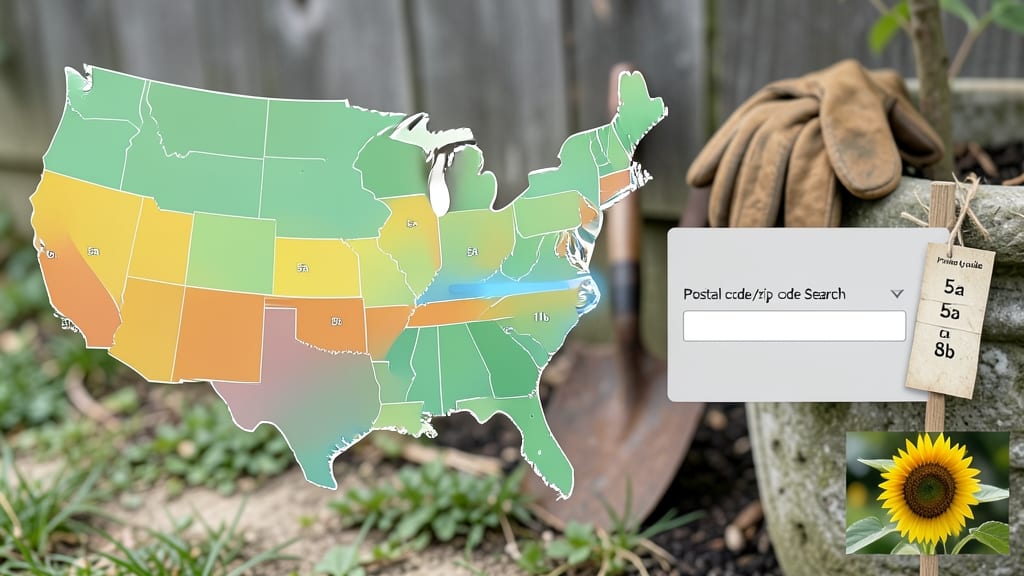
Finding out what planting zone you live in is simple: check the USDA Plant Hardiness Zone Map, input your ZIP code or address, and identify your zone number—most U.S. locations fall between zones 3 and 11, though microclimates may affect your exact growing conditions. For instant results, try mobile apps like Gardenate or PlantMap.
This system divides the U.S. into 13 zones based on average annual minimum temperatures, which directly impact which plants will thrive in your area. 🌱 For example, zone 5 (average low of -15°F to -10°F) supports hardy perennials like coneflowers, while zone 9 (20°F to 25°F) allows year-round citrus.
Microclimates—like urban heat pockets or sheltered garden spots—can shift your effective zone by 1-2 numbers, so always verify with local nurseries or extension services for precision.
To get the most accurate reading, start with the official USDA interactive map, then cross-check using your ZIP code. If you're in California or other regions with expanded systems (like 14 zones), use state-specific resources.
Pro tip: Save your zone number—it's the first step to selecting the right plants for your climate!
💡 In This Article
- How the USDA Plant Hardiness Zone System Works
- Step-by-Step Guide to Locating Your Exact Planting Zone
How the USDA plant hardiness zone system works
The USDA Plant Hardiness Zone Map divides North America into 13 zones based on the average annual minimum temperature of a location. These zones range from zone 1 (below -50°F) in Alaska to zone 13 (above 70°F) in Hawaii, with most continental U.S. areas falling between zones 3 and 11.
The system uses 10°F increments—each zone represents a 10°F difference in cold tolerance, which directly determines which plants can survive winter in your area.
Here's how it works: The USDA collects 30 years of weather data from NOAA stations to calculate the average lowest temperature for each location. For example, zone 6 has average winter lows of -10°F to 0°F, while zone 8 ranges from 10°F to 20°F.
This temperature threshold is critical because most plants cannot survive prolonged exposure to colder temperatures than their zone rating. A zone 5 tomato plant will die if exposed to -15°F for more than a few hours, even if it thrives in summer heat.
What most gardeners don't realize is that your actual growing conditions might differ from the official zone due to microclimates—local variations caused by factors like elevation, urban heat islands, or proximity to water.
For instance, a zone 7 city center might feel like zone 8 because asphalt and buildings retain heat, while a nearby hillside could drop to zone 6 temperatures. 🌡️ These microclimates can shift your effective zone by 1-2 numbers, which is why experienced gardeners often adjust their plant choices based on specific spots in their yard.
Another key detail: The USDA system focuses on plant survival, not necessarily optimal growth. A zone 5 plant might grow in zone 6, but it could be stressed by occasional dips below its tolerance.
Conversely, a zone 7 plant might thrive in zone 6 if protected from harsh winters. This is why nurseries often recommend "push the zone" plants with caution—while they might survive, they could produce fewer blooms or fruits.
For precise accuracy, the USDA now includes half-zones (a/b) to better reflect gradual temperature changes. For example, zone 7a has lows of 0°F to 5°F, while 7b ranges from 5°F to 10°F.
This refinement helps gardeners in transitional areas make more informed choices. If you're near a zone boundary, check both the "a" and "b" designations to see which better matches your local conditions.
Finally, remember that zones are based on historical averages, not current weather. Climate change is gradually shifting zones northward—some areas now experience winters 5°F warmer than when the map was last updated (2012).
This means your zone might already feel 1-2 numbers higher than officially listed. Always cross-reference with local observations or extension services for the most current guidance.
To put it simply: Your planting zone is essentially your garden's winter survival rating. Knowing it helps you avoid costly mistakes like planting tender citrus in zone 4 or freezing-sensitive perennials in zone 9. 🌿